
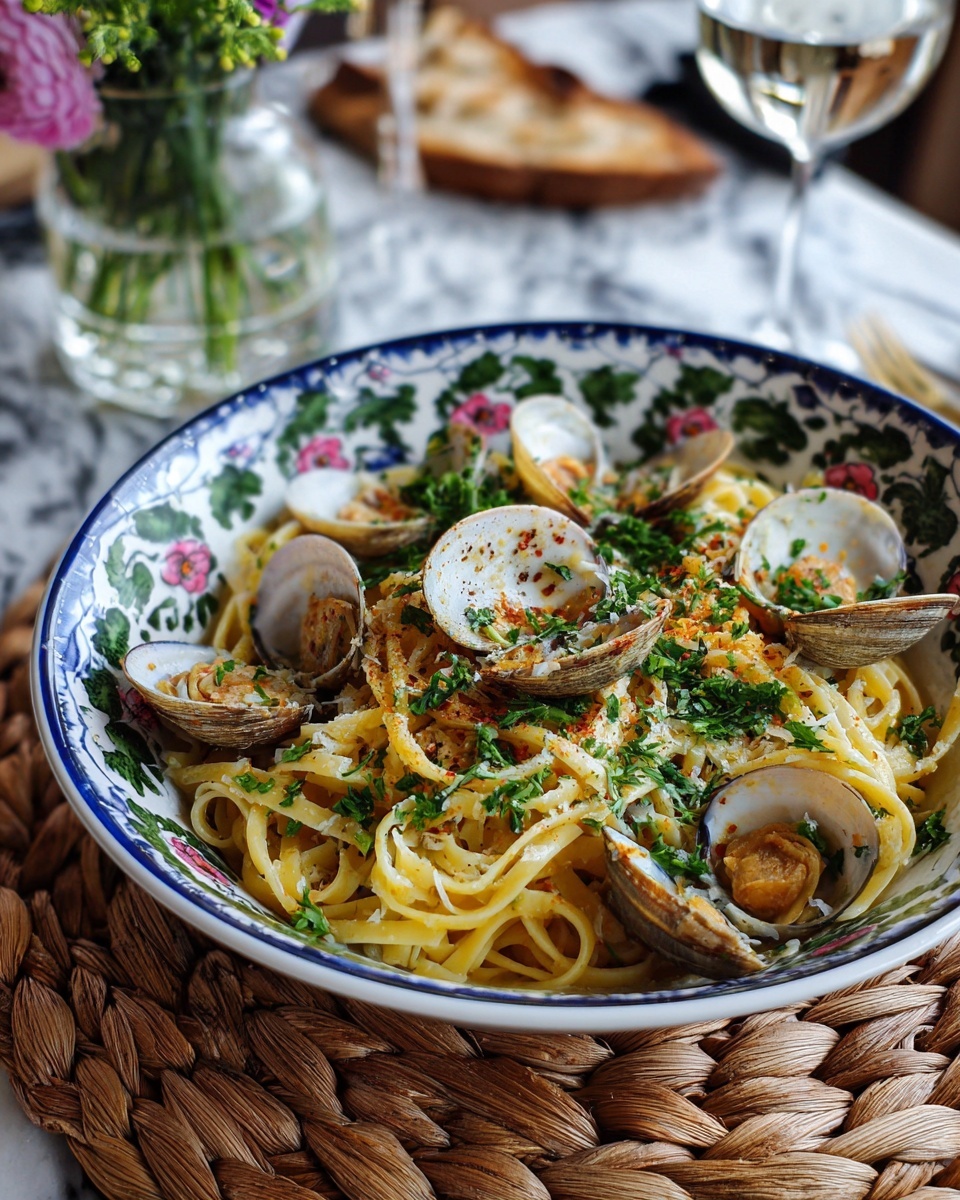
If you love the bright, briny flavors of the sea mingled with perfectly tender pasta, then this Clam Linguine Recipe will become one of your all-time favorites. Imagine fresh littleneck clams steamed gently with garlic, red pepper flakes, and white wine, tossed with al dente linguine and finished with lemon, butter, and parsley—a symphony of tastes and textures that feels both elegant and inviting. Whether you’re cooking for a special dinner or just craving a comforting seafood feast, this recipe truly celebrates the magic of simple ingredients coming together in a delicious embrace.
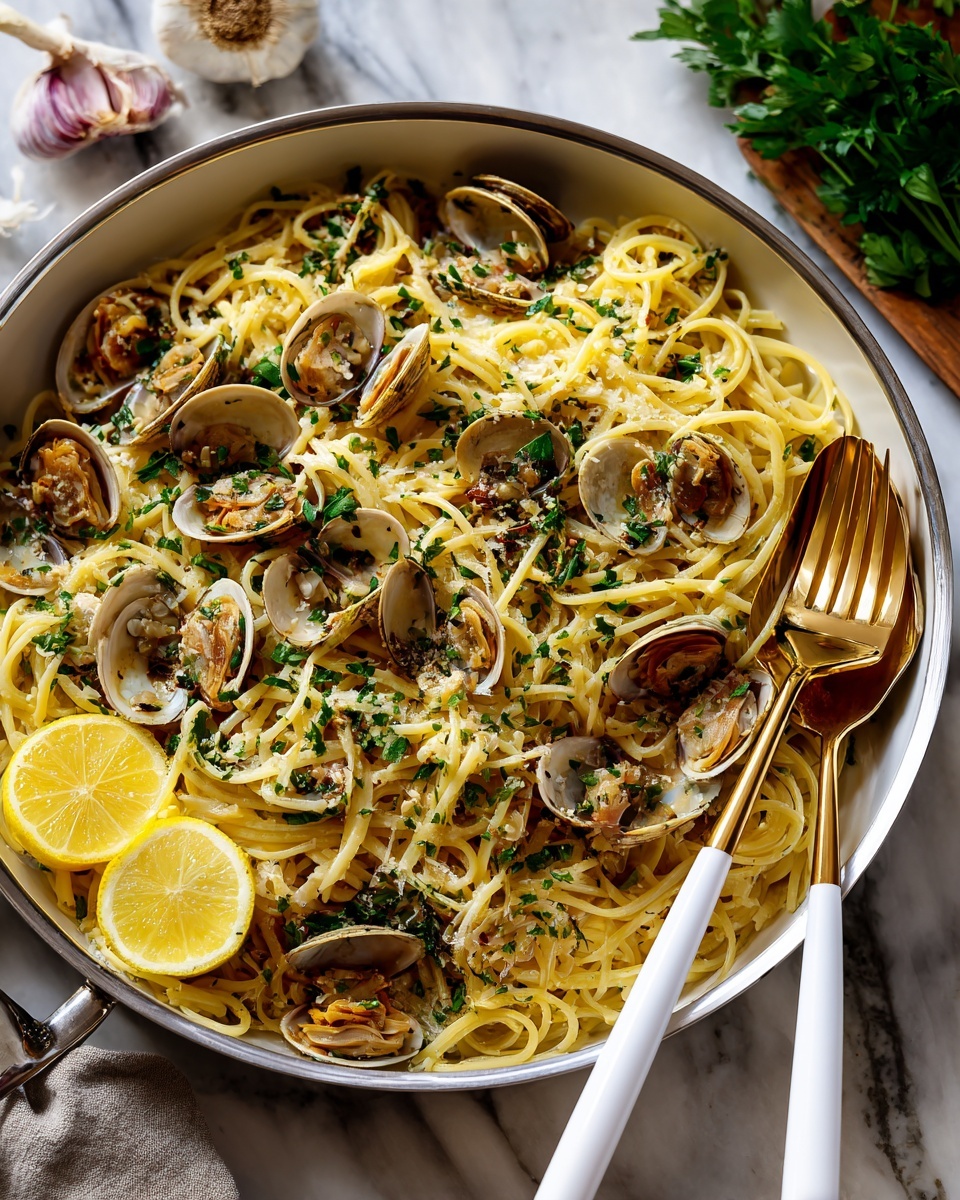
Ingredients You’ll Need
Each ingredient in this Clam Linguine Recipe plays an essential role in building layers of flavor, texture, and color. From the briny sweetness of fresh clams to the zing of lemon juice, every element is thoughtfully chosen for a harmonious and memorable dish.
- Littleneck clams (3 to 4 pounds): Choose fresh, tightly closed clams for the best flavor and quality.
- Linguine (1 pound): The slightly wider cut than spaghetti that holds the sauce perfectly.
- Olive oil (1/4 cup plus extra): Use a fruity, high-quality oil to bring richness and depth.
- Garlic (5 to 8 cloves, chopped): Adjust the quantity to your preferred garlicky kick.
- Crushed red pepper flakes (1/4 to 1/2 teaspoon): Adds a gentle heat, but feel free to tweak this to your taste.
- Dry white wine (1 cup): Pick a bottle you enjoy drinking, since it flavors both the clams and sauce.
- Fresh lemon juice (1/4 cup): Brightens the dish with a fresh acidity; adjust as you like.
- Unsalted butter (3 tablespoons): Adds a silky richness to the sauce.
- Fresh parsley (1/3 cup chopped, plus 2 tablespoons for garnish): Lends a fresh herbal note and vibrant green color.
- Kosher salt: Enhances all the natural flavors without overpowering.
How to Make Clam Linguine Recipe
Step 1: Prepare the Clams
First things first—sort and clean your littleneck clams really well to ensure no grit makes it into your dish. This may take some time, but it’s essential for a clean, fresh flavor. Fresh clams should be tightly closed or close when tapped, so discard any that act otherwise.
Step 2: Cook the Linguine
Bring a large pot of salted water to a boil and cook the linguine until it is just shy of al dente—about 8 minutes. The pasta will finish cooking later in the clam sauce, so it should still have a nice firmness. Don’t forget to reserve some pasta water before draining, as it helps marry the sauce and noodles beautifully later on.
Step 3: Sauté Garlic and Red Pepper Flakes
In a wide skillet or braiser, gently heat your olive oil and add chopped garlic along with the crushed red pepper flakes. Cook this mixture for 1 to 2 minutes until the garlic is just turning golden and incredibly fragrant. This step releases all those intoxicating aromas that will set the stage for an unforgettable meal.
Step 4: Steam the Clams
Pour in your white wine and fresh lemon juice, then add the clams. Cover the pan and steam over medium-high heat, shaking the pan occasionally to distribute heat evenly. In about 5 to 8 minutes, the clams will begin to open, releasing their sweet briny juices into the pan. Remove each open clam promptly to avoid overcooking and discard any that remain closed after 10 to 13 minutes—you want tender clams, not tough ones.
Step 5: Create the Sauce
Once all the clams are out of the pan, whisk in the butter into the flavorful steaming liquid to enrich the sauce with a velvety texture. This broth will cling to the noodles and carry all the wonderful clam essence.
Step 6: Combine Pasta and Sauce
Add the drained linguine back to the pan, tossing well to coat each strand in the steaming clam sauce. Cook together for about 2 minutes until the pasta is perfectly al dente. Use some reserved pasta water if the sauce seems too dry—it’s the secret to a luscious, silky finish.
Step 7: Finish with Parsley and Seasoning
Stir in the chopped fresh parsley for a burst of color and freshness. Taste and adjust seasoning with kosher salt, more red pepper flakes, or lemon juice as desired. This final seasoning adjustment ensures the dish sings exactly how you want it to.
Step 8: Add Clams to Pasta
You have two options here: remove the meat from half the clams and stir it into the linguine for a seamless seafood bite, and leave the other half whole for an interactive experience where guests can shell them at the table. Both ways are delightful and add a bit of fun to the meal.
Step 9: Garnish and Serve
Drizzle with some extra fruity olive oil, scatter the remaining parsley on top, and place fresh lemon wedges on the side. Serve immediately with crusty bread to soak up every last drop of the luxurious clam sauce.
How to Serve Clam Linguine Recipe
Garnishes
Simple garnishes are key to letting this Clam Linguine Recipe shine. Fresh parsley adds a burst of verdant freshness, while a drizzle of high-quality olive oil lends an elegant silkiness. Don’t forget lemon wedges to brighten every mouthful and let your guests personalize their plate with a touch of tanginess.
Side Dishes
Crusty Italian bread, garlic bread, or even a light mixed green salad complement clam linguine wonderfully. The bread acts as the perfect vehicle to mop up the flavorful sauce, and a crisp salad provides a refreshing contrast to the richness of the dish without overwhelming the delicate clam flavors.
Creative Ways to Present
For a dinner party, serve the linguine in shallow pasta bowls with clams carefully arranged on top or on the side. You might sprinkle a bit more fresh parsley or even packed bottarga for a fancy touch. Pair it with a chilled glass of the same white wine you cooked with for an impressive, coordinated meal.
Make Ahead and Storage
Storing Leftovers
If you have any leftovers from your Clam Linguine Recipe (though it’s so good it might not happen!), store them in an airtight container in the fridge for up to 2 days. The pasta will absorb some of the sauce, so you might want to stir in a splash of water or olive oil before reheating.
Freezing
Freezing this clam linguine is not recommended because the texture of the pasta and clams can suffer, becoming rubbery or mushy upon thawing. It’s best enjoyed fresh or within a short time frame.
Reheating
To reheat leftovers, gently warm the pasta and clams in a skillet over low heat, adding a tablespoon or two of water or white wine if needed to loosen the sauce. Avoid the microwave if possible, as it can unevenly heat and toughen the seafood.
FAQs
Can I use canned clams instead of fresh clams?
While canned clams can work in a pinch, fresh littleneck clams provide the best texture and flavor for this Clam Linguine Recipe. The taste and brininess you get from fresh clams are irreplaceable.
What type of wine is best for cooking the clams?
Choose a dry white wine you enjoy drinking, such as Sauvignon Blanc or Pinot Grigio. The wine enhances the sauce and adds brightness without overpowering the delicate clams.
How do I know if clams are fresh and safe to eat?
Fresh clams should be tightly closed or close quickly when tapped. Avoid any that are open and do not respond or have an unpleasant odor. Proper cleaning and cooking will also help ensure safety.
Can I make this dish spicier?
Absolutely! Increase the amount of crushed red pepper flakes to add heat, or add a pinch of freshly ground black pepper if you want a different kind of kick. Just be sure to balance the spice with the other flavors.
Is it better to remove clams from their shells before serving?
This really depends on your preference. Removing some clams from their shells allows the flavor to meld into the pasta and makes it easier to eat, while leaving some whole adds a beautiful presentation and fun interaction for guests.
Final Thoughts
This Clam Linguine Recipe is one of those magical dishes that feels both special and effortlessly achievable. With fresh clams, bright lemon, and a luscious buttery sauce, it’s a celebration of simple ingredients done well. I encourage you to give it a try and share it with those you love—because a dish this good deserves company and savoring every bite.
PrintClam Linguine Recipe

Clam Linguine, or Linguine alle Vongole, is a classic Italian seafood pasta dish featuring tender littleneck clams cooked in a lemony white wine sauce with garlic, olive oil, and fresh parsley. The linguine is perfectly tossed in the flavorful clam broth, creating a harmonious balance of briny clams, zesty lemon, and a touch of heat from red pepper flakes. This recipe serves four and is ideal for a satisfying coastal meal.
- Prep Time: 20 minutes
- Cook Time: 45 minutes
- Total Time: 1 hour 5 minutes
- Yield: 4 servings 1x
- Category: Main Course
- Method: Stovetop
- Cuisine: Italian
Ingredients
Clams and Pasta
- 3 to 4 pounds littleneck clams, cleaned
- 1 pound linguine
Clam Sauce
- 1/4 cup olive oil, plus additional for serving
- 5 to 8 cloves garlic, chopped (adjust to taste)
- 1/4 to 1/2 teaspoon crushed red pepper flakes (more or less, to taste)
- 1 cup dry white wine (choose a bottle you’d drink)
- 1/4 cup fresh lemon juice (adjust to taste)
- 3 tablespoons unsalted butter
- 1/3 cup chopped fresh parsley, plus 2 tablespoons for garnish
- Kosher salt, to taste
Instructions
- Clean and Sort Clams: Sort and clean the littleneck clams thoroughly following fresh clam cleaning guidelines to remove sand and grit.
- Cook Linguine: In a large pot of salted boiling water, cook linguine until just shy of al dente, about 8 minutes. Drain reserving 1/2 to 1 cup of pasta water.
- Prepare Garlic and Pepper Flakes: While pasta cooks, heat 1/4 cup olive oil in a deep skillet or braiser over medium heat. Add chopped garlic and crushed red pepper flakes, sautéing until garlic is lightly browned and fragrant, about 1-2 minutes.
- Steam Clams: Add the white wine, lemon juice, and cleaned clams to the skillet. Cover and steam over medium-high heat until clams open, about 5-8 minutes, shaking pan occasionally. Remove opened clams as they cook and tent with foil. Discard any that don’t open after 10-13 minutes.
- Finish Sauce: Once all clams are cooked and removed, whisk 3 tablespoons butter into the steaming clam liquid simmering in the pan.
- Toss Pasta in Sauce: Add the drained linguine to the pan with the clam broth and toss to coat. Cook for about 2 minutes until pasta is al dente, adding reserved pasta water as needed to loosen the sauce.
- Add Parsley and Season: Stir in chopped parsley and season the pasta with kosher salt, more red pepper flakes, and lemon juice to taste.
- Serve Clams: Either remove clam meat from half the shells to mix into the pasta or serve with whole clams for guests to shell themselves.
- Garnish and Serve: Drizzle with extra olive oil, garnish with remaining parsley and fresh lemon wedges. Serve immediately with crusty bread for dipping.
Notes
- Cleaning clams properly is crucial to avoid sandy pasta. Soak in salted water and scrub shells well.
- Adjust garlic and red pepper flakes according to your preferred level of heat and pungency.
- Use a dry white wine you enjoy drinking, as it impacts the flavor of the sauce.
- Reserve some pasta water to help the sauce cling to the noodles if it seems dry.
- Do not overcook clams to keep them tender and avoid toughness.
- Serving with crusty bread helps soak up the delicious clam broth.