
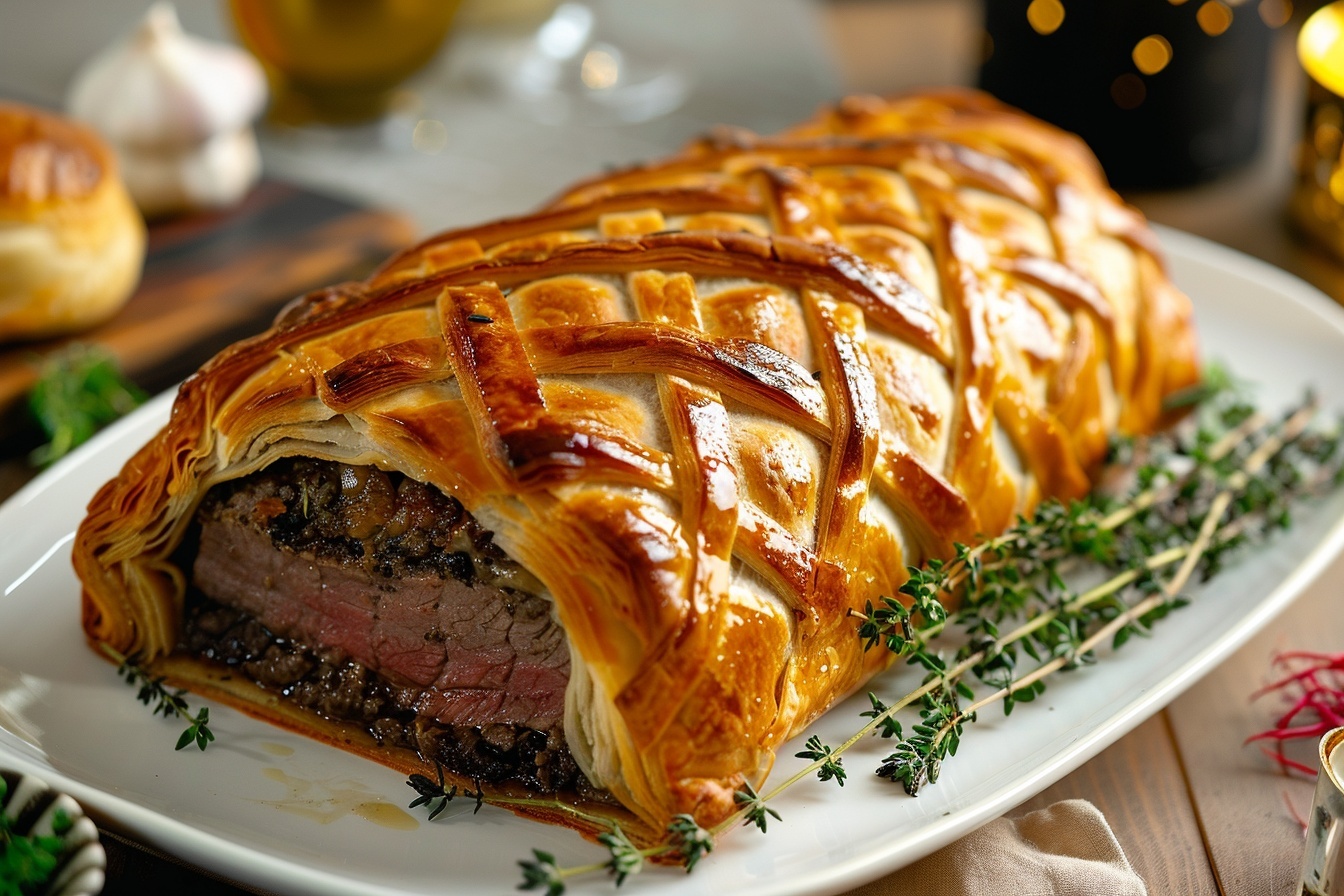
I never thought I’d find a Beef Wellington recipe easier than this, but once you get started, the scent of sizzling beef mingled with earthy mushrooms and buttery pastry will totally enchant your kitchen. Imagine slicing through that golden crust to reveal a tender, perfectly cooked tenderloin wrapped in layers of savory prosciutto and duxelles—it’s truly a feast for both the eyes and the palate. This classic dish is the ultimate way to impress guests or treat yourself to a special meal that tastes like fine dining without the fuss.
Why You’ll Love This Beef Wellington Recipe
- Rich, indulgent flavor: The tender center-cut beef tenderloin, coated with a luscious mushroom duxelles and wrapped in prosciutto and flaky puff pastry, creates layers of irresistible taste.
- Simple ingredients: Using everyday staples like mushrooms, shallots, thyme, and Dijon mustard, this recipe elevates humble components into pure gourmet magic.
- Perfect for special occasions: Impress family and friends with a stunning presentation that tastes just as fabulous as it looks.
- Hands-on preparation balanced with rest time: After around 30 minutes of active prep, the beef gets a chill time and a golden bake, making it manageable even on busier days.
- Customizable and adaptable: Feel free to mix mushroom varieties or substitute herbs to make this Beef Wellington recipe truly your own signature dish.
Why This Beef Wellington Recipe Works
This Beef Wellington recipe shines due to a few thoughtful techniques and ingredient choices. First, the tenderloin is expertly seared to seal in its juices, ensuring a succulent center. The mushroom duxelles, crafted by finely chopping a mix of mushrooms with shallots and fresh thyme, are cooked down to concentrate their earthy depth without sogginess. Finally, wrapping the duxelles and prosciutto tightly around the beef and chilling it before encasing it in puff pastry helps maintain structure and results in a perfectly crisp exterior. Baking the whole ensemble until golden and just medium-rare guarantees a melt-in-your-mouth experience, showcasing the British classic’s true culinary heritage.
Ingredients You’ll Need
Gather these star ingredients to create a Beef Wellington recipe that bursts with flavor and texture. From the vibrant herbaceous notes of thyme to the buttery richness of prosciutto and the hearty earthiness of mixed mushrooms, every element contributes to this show-stopping dish.
- 2-3 pounds center-cut beef tenderloin: The centerpiece, tender and luscious, trimmed and tied for uniform cooking.
- Kosher salt and freshly ground black pepper: To season and enhance the meat and mushroom flavors.
- 2 Tablespoons olive oil: For searing and sautéing with a hint of fruitiness.
- 2 Tablespoons Dijon mustard: Adds a tangy layer when brushed onto the tenderloin.
- 1 1/2 pounds mushrooms: Use button, cremini, shiitake, portabello, or a mix, cleaned and roughly chopped for the duxelles.
- 2 Tablespoons salted butter: For a rich, silky mushroom sauté.
- 2 medium shallots: Roughly chopped, introducing a mild onion sweetness.
- 2 teaspoons fresh thyme leaves: About 6 sprigs, bringing fresh, aromatic herbiness.
- 4 cloves garlic: For a subtle savory punch in the duxelles.
- 12 thin slices prosciutto: Approximately 1/4 pound, wrapping the duxelles and beef with salty, delicate charm.
- Flour for rolling out puff pastry: To prevent sticking and get a smooth finish.
- 14 ounces frozen or homemade puff pastry (thawed): The flaky, buttery shell that completes the dish.
- 1 large egg (beaten): Brushed on for that gorgeous golden sheen.
- 1/2 teaspoon flaky or coarse sea salt: Like Maldon or fleur de sel, for sprinkling on top to add a satisfying crunch.
- 1 bunch finely minced chives: Freshly chopped, perfect as a bright and mild garnish.
Ingredient Substitutions & Tips
- Beef tenderloin: Filet mignon steaks can work in smaller portions, but center-cut tenderloin is ideal for uniform roasting.
- Mushroom varieties: Feel free to experiment with cremini or shiitake if you prefer a deeper, woodsy flavor.
- Prosciutto: Thinly sliced turkey or chicken ham can be used for a leaner alternative, keeping the saltiness and texture.
- Puff pastry: Frozen puff pastry from the store works wonderfully, but homemade puff adds an extra touch of love and flavor.
👨🍳 Pro Tips for Perfect Results
- Use butcher’s twine: Tying the tenderloin at 1-inch intervals keeps it uniformly shaped for even cooking.
- Sear with patience: Don’t move the meat around while searing; a good crust seals the juices.
- Chill before baking: Wrapping the prosciutto and mushroom layers tightly and chilling helps the Wellington hold together perfectly.
- Make diagonal pastry slashes: These vent steam during baking and prevent sogginess inside your pastry.
- Let it rest: Resting the Wellington after baking locks in all those delicious juices for juicy, tender slices.
How to Make Beef Wellington Recipe
Step 1: Prepare the tenderloin
First things first: trim away any silverskin and excess fat from the center-cut beef tenderloin, then tie it with butcher’s twine at 1-inch intervals. This ensures the meat keeps its shape while roasting. Season generously all over with kosher salt and freshly ground black pepper—aim for about 1 teaspoon of salt per pound to amplify the natural beefy flavors.
💡 Pro Tip: Ask your butcher to tie the tenderloin for you if you want to save a step!
Step 2: Sear the tenderloin
Heat your skillet over high heat until it’s nearly smoking, then add olive oil. Gently lay the tenderloin in the pan and sear on all sides for around 2 minutes each without moving it prematurely. This process locks in the meat’s juices and creates that gorgeous brown crust that beckons from the oven.
💡 Pro Tip: Use tongs to carefully turn the meat, ensuring every side, even the ends, gets a perfect sear.
Step 3: Brush with Dijon mustard
Take the seared tenderloin off the heat, remove the twine, and while the meat is still warm, coat it liberally with Dijon mustard. This adds a subtle tang that cuts through the richness and complements the mushrooms beautifully.
💡 Pro Tip: The mustard also helps the duxelles stick to the beef during wrapping.
Step 4: Make the duxelles
Pulse half the mushrooms, shallots, thyme, and garlic together in a food processor for about 10-15 pulses until finely chopped; repeat with the remaining half. This finely textured mixture will create that creamy, deeply flavorful mushroom layer.
💡 Pro Tip: Fresh thyme brings an aromatic punch that’s key to this step—don’t skip it!
Step 5: Cook the mushroom mixture
Using the same skillet, melt butter and olive oil over medium-high heat. Add the chopped duxelles, seasoning with salt and pepper, and sauté until the mushrooms release their liquid and it evaporates—about 8-10 minutes. Continue cooking for 4-5 more minutes to brown the mixture, intensifying the earthy flavors. Set aside to cool.
💡 Pro Tip: Stir occasionally but let the mushrooms settle to encourage browning.
Step 6: Assemble
On a double layer of plastic wrap, lay the prosciutto slices overlapping to form a square large enough to envelop the tenderloin. Spread the cooled mushroom duxelles evenly over the prosciutto, then place the mustard-coated tenderloin at one end.
💡 Pro Tip: Be generous with the mushroom mixture—it’s the heart of flavor!
Step 7: Roll and chill
Use the plastic wrap to roll the tenderloin tightly within the prosciutto and mushrooms, tucking in the ends like a festive gift. Twist the plastic wrap to seal and pop the whole bundle into the fridge for 30 minutes to firm up, which makes it easier to work with when wrapping in pastry.
💡 Pro Tip: Double-layer the plastic wrap to avoid leaks and keep the roll intact.
Step 8: Preheat the oven
Set your oven to a roaring 425°F (218°C) so it’s ready for that beautiful puff pastry crust to bloom with golden color.
💡 Pro Tip: Make sure the oven is fully preheated before baking to ensure the perfect crust.
Step 9: Prepare the puff pastry
Lightly dust your work surface with flour and roll out the thawed puff pastry into a rectangle large enough to wrap your prosciutto-covered tenderloin. If you’re working with two sheets, press edges together to seal well.
💡 Pro Tip: Trim excess pastry for a tidy edge but keep enough to cover completely.
Step 10: Wrap the tenderloin in pastry
Remove the tenderloin roll from the fridge and set it on the pastry. Roll it carefully, tucking the ends underneath, and brush beaten egg along the long edge to seal the seam. This egg wash ensures a beautiful golden crust once baked.
💡 Pro Tip: If you want, you can decorate the top with extra pastry shapes before egg washing for flair.
Step 11: Prepare for baking
Transfer your wrapped Wellington onto a parchment-lined baking sheet. Brush the top generously with egg wash, then score diagonal slashes about every inch to allow steam to escape during baking—this prevents sogginess. Finish with a sprinkle of flaky sea salt for that satisfying crunch.
💡 Pro Tip: The scored pastry will bake up crisp and flaky with those little vents puffing up charmingly.
Step 12: Bake and rest
Bake in the preheated oven until the pastry is a gorgeous golden brown and the tenderloin’s internal temperature reads 120-125°F (49-51°C) for medium-rare—usually about 40 to 45 minutes. Remove the Wellington and let it rest for 10 minutes; this step is vital for juicy slices.
💡 Pro Tip: Use a digital thermometer to nail the perfect doneness every time.
Step 13: Serve
Slice into thick, luscious portions and garnish with finely minced fresh chives and a final sprinkle of flaky sea salt. Serve immediately and enjoy the rich, harmonious flavors.
💡 Pro Tip: Serve with your favorite sides and watch the compliments roll in!
Common Mistakes to Avoid
Learn from these common pitfalls:
- Skipping the resting time: Cutting into your Beef Wellington too soon will cause precious juices to run out, leaving the meat dry.
- Not tying the tenderloin: An untied roast may roast unevenly and fall apart during assembly.
- Overcrowding the mushroom mixture: Too many mushrooms in the pan can steam instead of sauté, leading to soggy duxelles.
- Insufficient searing: Without a proper crust, the meat won’t develop its full flavor and texture.
- Failing to chill after assembly: Wrapping the tenderloin in prosciutto and mushrooms without chilling can make it difficult to handle and result in a messier pastry wrap.
- Baking at the wrong temperature: Too hot or cold an oven can cause uneven pastry browning and under/overcooked beef.
Delicious Variations to Try
Once you’ve mastered the classic Beef Wellington recipe, feel free to experiment with these tantalizing twists to keep things exciting:
Mushroom and Spinach Wellington
Mix sautéed spinach with your mushroom duxelles for a vibrant, green addition that adds moisture and color to the filling.
Herb-Enhanced Duxelles
Add fresh rosemary and tarragon to your mushroom mixture for an extra herbal kick that brightens the deep umami flavors.
Garlic Mashed Potato Wellington
Thinly spread a layer of creamy garlic mashed potatoes between the prosciutto and pastry for an indulgent comfort food twist.
Sun-Dried Tomato and Basil Wellington
Incorporate chopped sun-dried tomatoes and fresh basil within the duxelles for a sunny Mediterranean flair.
Cheese-Stuffed Wellington
Add a thin layer of your favorite mild cheese, such as gruyère or mozzarella, inside the pastry wrapping for gooey richness after baking.
How to Serve Beef Wellington Recipe
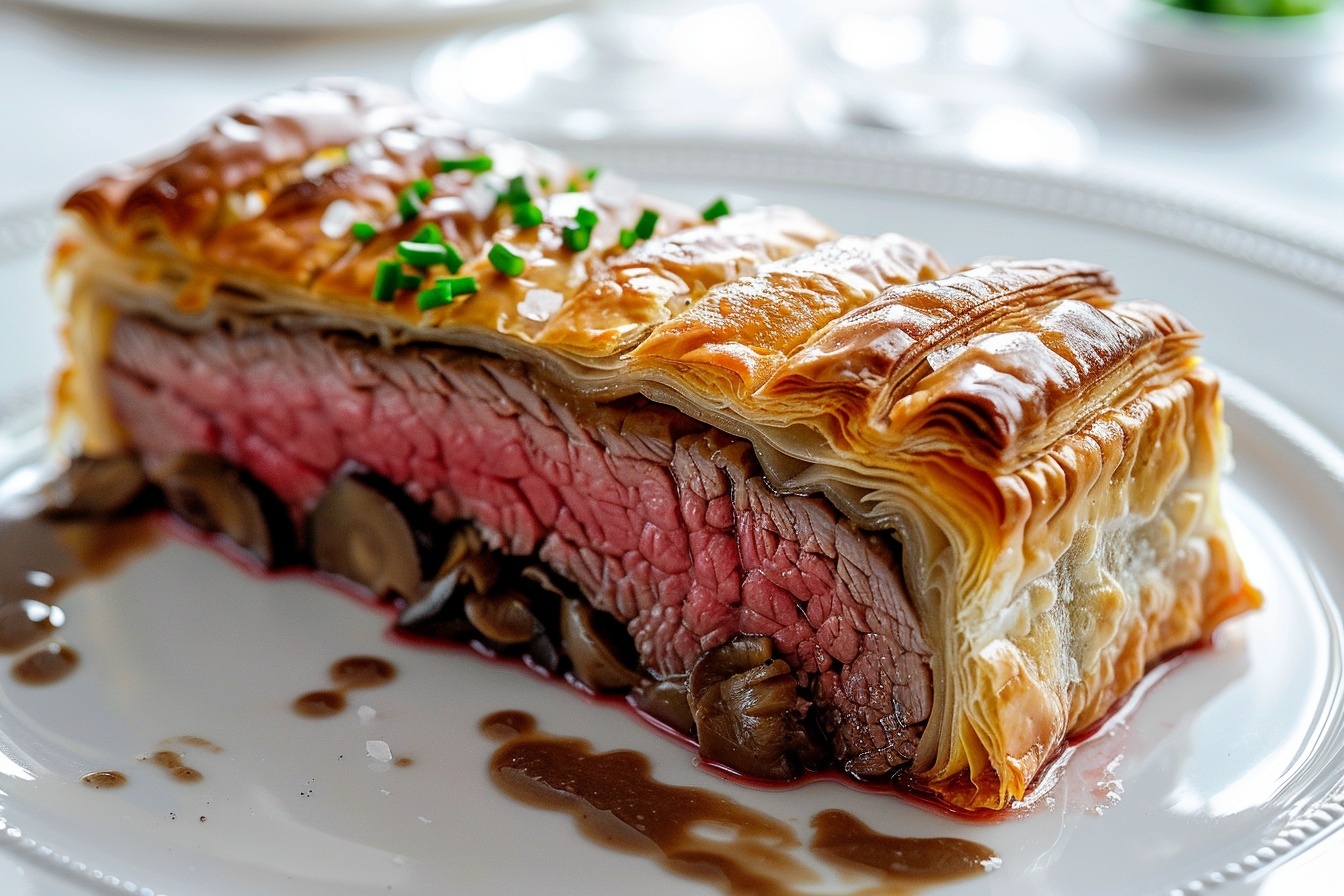
Garnishes
Freshly minced chives scatter on top like little bursts of green, balancing the richness and adding a bright, oniony note. For a bit of elegance, sprinkle flaky sea salt such as Maldon or fleur de sel over the golden crust right before serving.
Side Dishes
This Beef Wellington recipe pairs beautifully with classic sides like creamy mashed potatoes, roasted root vegetables, or buttered green beans. A silky red wine jus or mushroom sauce completes the ensemble, adding luscious depth.
Creative Ways to Present
Consider presenting the Wellington on a wooden carving board for rustic charm or on a simple white platter to highlight its golden crust and vibrant garnishes. Slicing thickly and fanning out the pieces invites guests to admire each layered bite.
Make Ahead and Storage
Make-Ahead Instructions
You can prepare the mushroom duxelles and sear the beef tenderloin a day ahead. Assemble the prosciutto-wrapped tenderloin and chill overnight for deeper flavor and easier pastry handling.
Storage
Store leftover Beef Wellington covered in the refrigerator. It is best eaten within 2 days to maintain freshness and pastry crispness.
Freezing
While possible to freeze before baking, it’s best to freeze the assembled Beef Wellington tightly wrapped to avoid freezer burn. Consume within 1 month for optimal flavor.
Reheating
Reheat slices gently in a 350°F oven wrapped loosely in foil to keep the pastry from drying out, or warm individual slices in a skillet over low heat until heated through.
Expert Tips for Success
- Use a thermometer: To get the perfect medium-rare tenderloin, check the internal temperature rather than relying on time alone.
- Chill the Wellington before baking: This stabilizes the shape and helps prevent pastry tearing.
- Don’t rush the mushroom cooking: Properly cooking out moisture intensifies flavor and prevents soggy pastry.
- Work quickly with puff pastry: Keep it cold until ready to roll to ensure maximum flakiness.
- Let it rest after baking: Essential for juicy, tender slices that hold together well.
- Season generously: Both meat and mushrooms need good seasoning for the best depth of flavor.
Frequently Asked Questions
Can I use a different cut of beef?
Center-cut beef tenderloin is ideal for tenderness and shape, but filet mignon can be used for smaller portions. Avoid tougher cuts as they won’t yield the same luxurious texture.
How do I know when the Beef Wellington is done?
A meat thermometer is your best friend—aim for 120-125°F (49-51°C) inside the roast for medium-rare. The pastry should be golden brown and crisp on the outside.
Can I make the mushroom duxelles in advance?
Absolutely! Duxelles can be prepared a day ahead and stored covered in the refrigerator, which actually helps the flavors meld.
Is it okay to use frozen puff pastry?
Frozen puff pastry works wonderfully when thawed properly. Just ensure it’s cold but pliable when rolling to prevent cracking.
What if I don’t have prosciutto?
You can substitute with thinly sliced turkey ham or chicken ham, but this may alter the traditional flavor slightly.
Can I make mini Beef Wellingtons?
Yes! Using smaller tenderloin pieces or filet mignon medallions allows you to create individual servings, perfect for dinner parties.
How should I slice Beef Wellington?
Use a sharp serrated knife to cut thick slices, about 1 to 1 1/2 inches, for an optimal balance of meat and pastry in each bite.
Final Thoughts
This Beef Wellington recipe is a true culinary showstopper—rich, savory, and deeply satisfying. The harmony of tender beef, aromatic mushroom duxelles, salty prosciutto, and flaky puff pastry is a celebration on your plate. Whether it’s a holiday feast or a special weekend indulgence, taking the time to prepare this dish will fill your kitchen with warmth and your guests with awe. Trust me, making this classic will become one of your proudest and most rewarding cooking adventures!
PrintBeef Wellington Recipe

This classic Beef Wellington features a center-cut beef tenderloin wrapped in prosciutto and a flavorful mushroom duxelles, all encased in golden puff pastry for an impressive and delicious centerpiece.
- Prep Time: 30 minutes
- Cook Time: 45 minutes
- Total Time: 1 hour 55 minutes
- Yield: 8 servings 1x
- Category: Main Dish
- Method: Baking
- Cuisine: British
- Diet: Halal
Ingredients
Beef Tenderloin
- 2–3 pounds center-cut beef tenderloin
- Kosher salt and freshly ground black pepper
- 2 Tablespoons olive oil
- 2 Tablespoons dijon mustard
Duxelles
- 1 1/2 pounds mushrooms ((button, cremini, shiitake, portabello, or a mix cleaned and roughly chopped))
- 2 Tablespoons salted butter
- 2 Tablespoons olive oil
- 2 medium shallots (roughly chopped)
- 2 teaspoons fresh thyme leaves ((about 6 sprigs))
- 4 cloves garlic
- Kosher salt and freshly ground black pepper
Assembly and Baking
- 12 thin slices prosciutto ((about 1/4 pound))
- Flour for rolling out puff pastry
- 14 ounces frozen or homemade puff pastry (thawed)
- 1 large egg (beaten)
- 1/2 teaspoon flaky or coarse sea salt (such as Maldon or fleur de sel)
- 1 bunch finely minced chives
Instructions
- Prepare the tenderloin. Prepare the beef tenderloin by trimming away the silverskin and fat, if needed, then tie with butcher’s twine at 1-inch intervals. Your butcher can do this for you, if you request it. Season generously all over with salt and pepper, planning on about 1 teaspoon of kosher salt per pound of meat.
- Sear the tenderloin. Heat a large skillet over high heat until smoking hot, then add the olive oil. Once hot, sear the tenderloin on all sides until well-browned, about 2 minutes per side. Don’t move the meat around in the pan until you are ready to turn it with tongs so it can get a nice sear on all sides, including the ends. This helps seal in the juices.
- Brush with mustard. Remove the seared tenderloin from the pan and cut off the twine. Brush it on all sides with the dijon mustard while the meat is still warm. Set aside.
- Make the Duxelles. Combine half of the mushrooms, shallots, thyme leaves, and garlic in a large food processor. Pulse until mushrooms are finely and evenly chopped, about 10-15 pulses. Repeat with the remaining mushrooms, shallots, thyme, and garlic.
- Cook mushroom mixture. In the same pan used to sear the tenderloin, heat the butter and olive oil over medium-high heat until melted. Add the mushroom mixture and season with salt and pepper. Cook, stirring occasionally, until the mushrooms have released most of their liquid, about 8-10 minutes. Continue to cook the mushroom mixture and 4-5 minutes to brown the mushrooms. Remove from the heat and let cool.
- Assemble the Wellington. On a large piece of plastic wrap (you may want to double layer the plastic wrap), lay out the prosciutto in slightly overlapping layers to form a square that will be large enough to wrap the tenderloin in. Spread the duxelles mixture evenly over the prosciutto, then place the tenderloin on one end.
- Wrap the tenderloin. Use the plastic wrap to help you roll up the tenderloin in the prosciutto and mushrooms, wrapping it tightly to form a log. Tuck in the ends of the prosciutto as you roll it up. Twist the ends of the plastic wrap closed, then place the tenderloin in the fridge for 30 minutes to help make sure it will all hold together.
- Preheat oven. Preheat oven to 425°F (218°C).
- Prepare puff pastry. Lightly dust a clean surface with flour then roll out the thawed puff pastry, pressing the edges together to seal if working with two sheets. It should create a rectangle large enough to wrap the prosciutto-wrapped tenderloin roast.
- Wrap beef in pastry. Remove the tenderloin from the plastic wrap, then place on the puff pastry. Roll it up, tucking the ends under and brushing the beaten egg over the long edge to seal the seam. If you find that you have significant excess pastry along the edges, you may want to trim some of that away.
- Prepare for baking. Transfer the wrapped beef wellington to a large baking sheet lined with parchment paper. Brush the top with the remaining egg wash, then cut diagonal slashes every inch or so down the length of the pastry to allow steam to vent while the wellington is baking. Sprinkle with flaky salt or coarse sea salt.
- Bake and rest. Bake until golden brown on the outside and the tenderloin reaches 120-125°F (49-51°C) on a digital meat thermometer for medium-rare doneness. This is typically around 40 to 45 minutes, depending on the size of your tenderloin roast. Remove from the oven and rest for 10 minutes before slicing into thick slices.
- Serve. Serve slices garnished with the fresh minced chives and an additional sprinkling of flaky or coarse salt.
Notes
- Have your butcher tie the tenderloin with butcher’s twine if preferred.
- Use a digital meat thermometer to ensure accurate medium-rare doneness.
- Double-layer plastic wrap can help when rolling the tenderloin.
- Trim excess puff pastry if necessary to avoid too much overhang.
- Allow the wrapped tenderloin to chill for 30 minutes to help it hold its shape.