
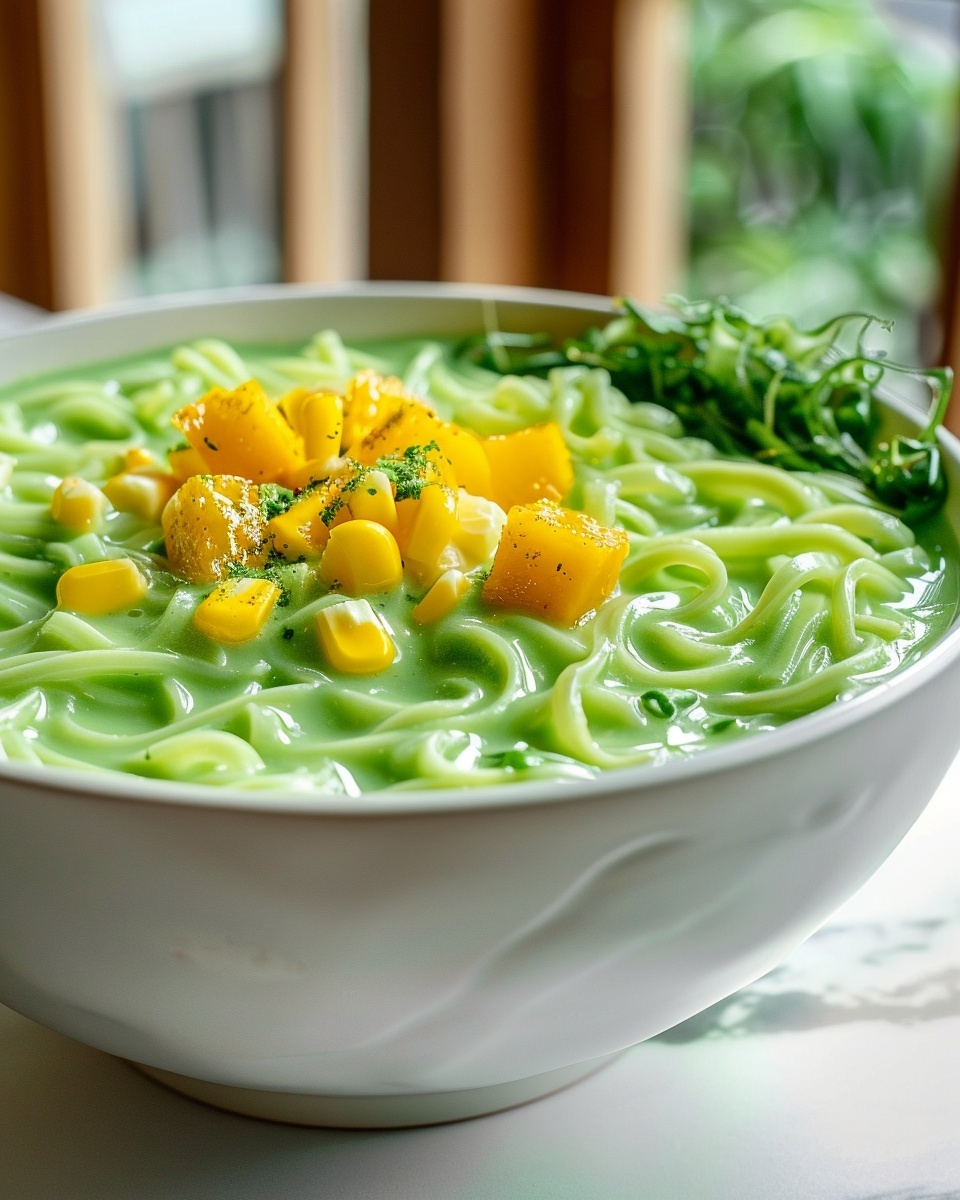
I never thought I’d find a Thai dessert recipe easier than this, yet every bite of this Thai Lod Chong Dessert (Cendol Recipe) takes me straight to a peaceful tropical afternoon. The soothing green hue of pandan noodles dancing in rich, creamy coconut milk, all sweetened with luscious coconut sugar syrup—just imagining it makes my mouth water. This traditional treat captures that perfect blend of refreshing sweetness and silky textures that will brighten any day.
Why You’ll Love This Thai Lod Chong Dessert (Cendol Recipe) Recipe
- Authentic Flavor Explosion: The pandan-infused rice flour noodles bring a fragrant, herbal note that pairs perfectly with the creamy coconut milk and caramel-like coconut sugar syrup.
- Simple Ingredients, Incredible Taste: Using just rice flour, tapioca starch, fresh pandan leaves, coconut milk, and natural coconut sugar, this recipe shines with wholesome, natural flavors you can feel good about.
- Make-Ahead Friendly: Thanks to the 3-hour resting time required for the limewater, you’ve got plenty of time to prep or plan your day while the magic happens.
- Beautiful and Inviting: The vibrant green noodles against white coconut milk create an eye-catching presentation that’s sure to impress at any gathering.
- Customizable Delight: Top it with seasonal fresh fruits like jackfruit or sweet corn to add layers of texture and tropical sweetness perfect for your mood.
Why This Thai Lod Chong Dessert (Cendol Recipe) Recipe Works
The secret behind this recipe’s success lies in the delicate process of making the pandan noodles from scratch and marrying those noodles with creamy coconut milk and luscious syrup. Using calcium hydroxide to create limewater softens the rice and tapioca mixture, giving the noodles their distinctive chewy yet tender texture. Slowly cooking and stirring this dough over the lowest heat ensures the noodles develop a glowingly vibrant green color and a smooth, sticky consistency that’s signature to authentic Lod Chong. This stovetop method combined with fresh pandan leaves takes this Thai dessert from ordinary to extraordinary.
Ingredients You’ll Need
Gather these vibrant and fragrant ingredients that come together to bring the essence of Thailand right to your kitchen.
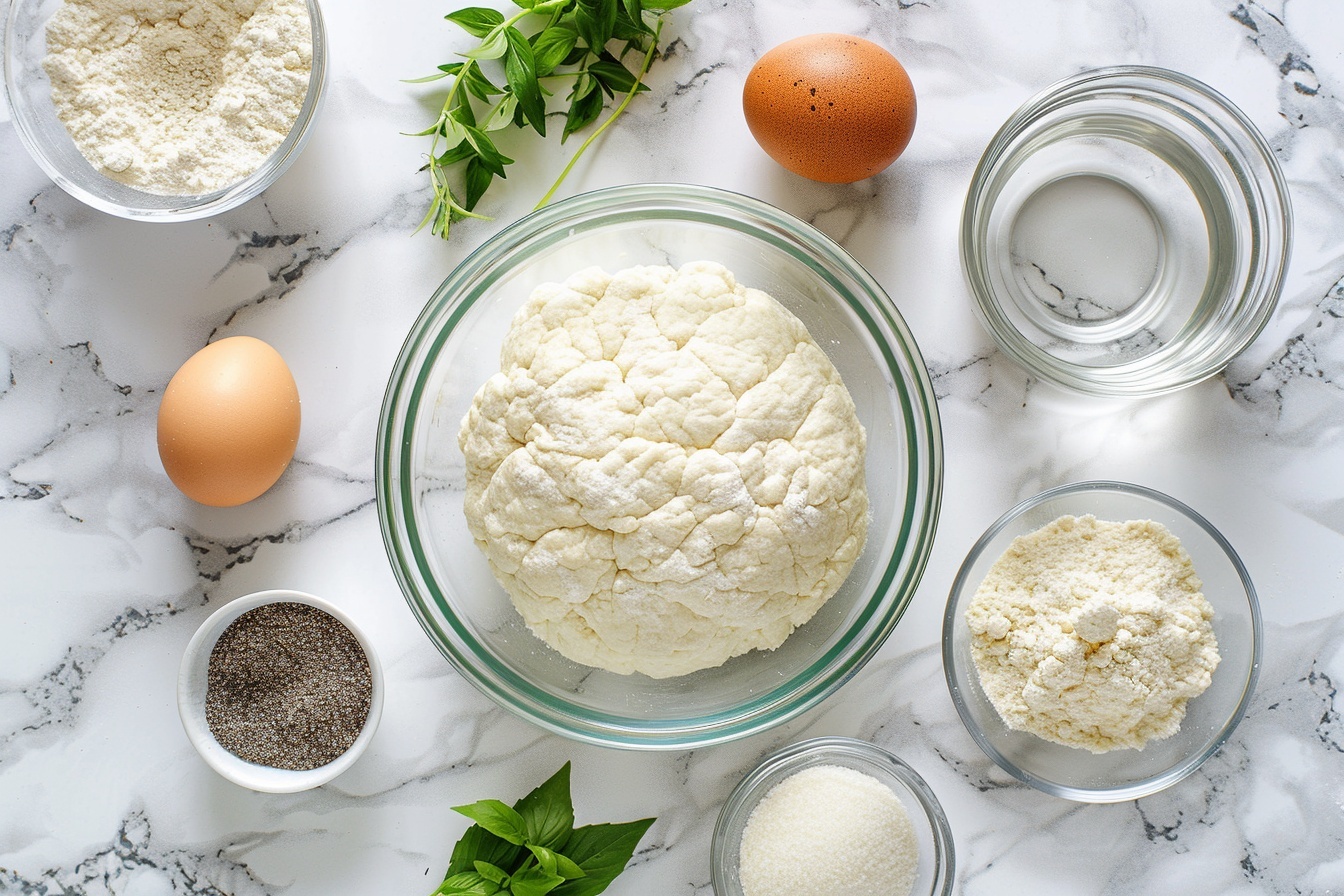
- Rice flour: The base of the chewy and delicate pandan noodles that define this dessert.
- Tapioca starch: Adds that perfect springy texture to the noodles.
- Pandan leaves (chopped): Fresh pandan gives the noodles their iconic aroma and shimmering green color.
- Water: Used to create the limewater solution and assist in noodle formation.
- Calcium hydroxide: Used to make limewater, essential for achieving the right noodle texture.
- Coconut milk: Rich, creamy, and slightly salty to create balance in the dessert.
- Salt: Just a pinch, to enhance the flavors in the coconut milk.
- Coconut sugar: Natural sweetness with a hint of caramel, perfect for the syrup.
Ingredient Substitutions & Tips
- Pandan leaves: If fresh pandan is unavailable, pandan extract can be used, but fresh leaves deliver a more authentic aroma and vibrant color.
- Coconut sugar: Dark brown sugar can substitute in a pinch but will alter the deep caramel notes slightly.
- Calcium hydroxide: Also known as food-grade pickling lime; do not confuse with gardening lime, and do not skip this ingredient as it’s essential for noodle texture.
👨🍳 Pro Tips for Perfect Results
- Use the lowest heat: When cooking the pandan dough, keep the heat as low as possible to prevent scorching.
- Keep stirring: Continuous stirring is key for smooth, lump-free noodles with the perfect gooey consistency.
- Rest limewater well: Allow limewater to sit undisturbed for 3 hours for clarity and effectiveness.
- Ice water bath: Immediately plunge the pressed noodles in ice water to set their chewy texture and vibrant color.
- Top creatively: Don’t hesitate to add seasonal fruits like jackfruit or refreshing corn for contrast and natural sweetness.
How to Make Thai Lod Chong Dessert (Cendol Recipe) Recipe
Step 1: Preparing the Limewater
Start by stirring calcium hydroxide into water, mixing until fully dissolved, then set it aside undisturbed for 3 hours. This patience ensures a clear limewater essential for the noodle-making process.
💡 Pro Tip: Use a clean glass container for the limewater to avoid any impurities.
Step 2: Infusing the Pandan Water
Pour 5 cups of the clear limewater off the sediment, then blend 4 cups with freshly chopped pandan leaves. Keep the extra cup for later—this fragrant pandan infusion will breathe life into your noodles.
💡 Pro Tip: Blend the pandan leaves well to extract maximum flavor and color.
Step 3: Straining the Pandan Mixture
Using cheesecloth, strain the pandan blend into a bowl to remove solids, leaving a smooth green pandan liquid that will make your noodles enchanting in both look and taste.
💡 Pro Tip: Squeeze gently to get every drop of aromatic pandan juice.
Step 4: Mixing the Flours
Combine tapioca starch and rice flour in a large mixing bowl. This blend creates that delicate balance of chewiness and structure for the noodles.
💡 Pro Tip: Sift the flours together to avoid any lumps.
Step 5: Kneading the Dough
Slowly add some of the pandan water to the flour mix while kneading gently. This gradual process helps the dough absorb the liquid evenly, resulting in smooth dough without dry spots.
💡 Pro Tip: Don’t rush—knead until the dough feels soft but not sticky.
Step 6: Adding Remaining Pandan Water
Pour in the rest of the pandan liquid to the dough, ensuring it’s fully hydrated and ready to transform into those signature slippery noodles.
💡 Pro Tip: Mix thoroughly but gently to maintain dough consistency.
Step 7: Cooking the Dough
Transfer the pandan dough into a pot over the lowest heat you can manage. Stir continuously—that slow, gentle heat will turn your pale mixture into thickened, glossy green dough after about 10 minutes.
💡 Pro Tip: Don’t leave the pot unattended—constant stirring prevents lumps and burning.
Step 8: Thickening and Adding Limewater
Once the dough thickens and clumps, add the reserved limewater little by little every 3 minutes. Keep stirring nonstop through 30 minutes until the dough glistens brightly and achieves that delightful gooeyness.
💡 Pro Tip: This step builds the perfect texture, so don’t skip or rush the stirring.
Step 9: Shaping the Noodles
Press the sticky dough through a lod chong press directly into ice-cold water. The rapid cooling helps the noodles firm up and keeps their chewy charm intact.
💡 Pro Tip: If you don’t have a lod chong press, a fine sieve or colander can work in a pinch.
Step 10: Making the Sugar Syrup
Simmer coconut sugar and water over low to medium heat for 3 to 5 minutes until it thickens slightly into a rich syrup that elevates the dessert’s natural sweetness.
💡 Pro Tip: Stir gently to avoid crystallization.
Step 11: Preparing the Coconut Milk Mixture
Heat coconut milk with salt and pandan leaves on low for about 3 minutes. This step allows the subtle saltiness and pandan to infuse the creamy base.
💡 Pro Tip: Do not boil; just warm to coax out flavors.
Step 12: Serving Your Thai Lod Chong Dessert
Drain the noodles well. In serving bowls, layer crushed ice, then the pandan noodles, pour over the warm coconut milk mixture, drizzle with the syrup, and finish with your favorite toppings like jackfruit or corn to add bursts of fruity sweetness.
💡 Pro Tip: Serve immediately for that perfect balance of cool and creamy textures.
Common Mistakes to Avoid
Learn from these common pitfalls:
- Using high heat: Cooking the pandan dough on anything but the lowest heat can burn it quickly, ruining the texture and flavor.
- Skipping stirring: Lapses in stirring cause lumps and uneven cooking in the dough, resulting in an unappetizing clumpy mess.
- Not letting limewater settle: Using limewater before it’s clear affects the noodle’s texture and taste negatively.
- Improper icing: Forgetting to chill the noodles in ice water immediately can leave them sticky and mushy.
- Over-thick syrup: Leaving the sugar syrup too long on heat can make it overly thick and hard to drizzle.
- Boiling coconut milk: Overheating coconut milk causes it to curdle and lose its creamy smoothness.
Delicious Variations to Try
Once you’ve mastered the classic version, why not excite your taste buds with some creative twists?
Mango & Sticky Rice Style Cendol
Add diced ripe mango and a spoonful of sweet sticky rice on top for a fruity mix of textures and tropical flavor.
Durian Delight
If you’re a fan of the king of fruits, top the dessert with fresh durian chunks for an intense aroma and rich creaminess that pairs beautifully with coconut milk.
Black Glutinous Rice Addition
Layer some sweetened black glutinous rice beneath the noodles for an earthy, chewy contrast that adds depth to your Thai Lod Chong Dessert (Cendol Recipe) recipe.
Rose-flavored Syrup
Switch up the coconut sugar syrup with a rose water-infused simple syrup for a delicate floral finish that’s both fragrant and exotic.
Lemongrass Infused Coconut Milk
Simmer the coconut milk with a stalk of bruised lemongrass to add citrusy freshness that cuts through the richness.
How to Serve Thai Lod Chong Dessert (Cendol Recipe) Recipe
Garnishes
Brighten your bowls with sweet jackfruit slices, tender corn kernels, or toasted shredded coconut for additional texture contrasts and visual appeal.
Side Dishes
Pair this dessert with light tropical fruits like fresh pineapple or lychee to continue the refreshing theme and complement the creamy sweetness.
Creative Ways to Present
Serve in clear glass bowls or cups to show off the gorgeous green noodles suspended in the white coconut milk. Add crushed ice cubes for a sparkling finish that’s as delightful to look at as it is to eat.
Make Ahead and Storage
Make-Ahead Instructions
You can prepare the pandan noodles ahead of time and store them in cold water in the refrigerator. Syrup and coconut milk can be prepared and stored separately.
Storage
Keep the noodles and coconut milk mixture refrigerated in airtight containers. Consume within 2 days for optimal flavor and freshness.
Freezing
Freezing is not recommended as it may alter the noodle texture and the delicate balance of flavors.
Reheating
Gently warm the coconut milk mixture on low heat before serving; avoid boiling. Noodles are best served cold or at room temperature.
Expert Tips for Success
- Always use fresh pandan leaves to get the brightest color and most authentic flavor.
- Don’t rush the dough cooking process—slow, steady stirring is the secret to perfect noodles.
- Use food-grade calcium hydroxide only to ensure safety and the right texture.
- Ice water bath is non-negotiable for setting the noodles correctly and achieving that signature chew.
- Adjust the sweetness to your liking by varying the amount of coconut sugar syrup you drizzle over the dessert.
- For a vegetarian-friendly choice, avoid any meat-based toppings and stick to fruits or corn for toppings.
- Serve immediately after assembly to enjoy the contrasting hot and cold sensations together.
Frequently Asked Questions
Can I use pandan extract instead of fresh pandan leaves?
Yes, pandan extract can be used if fresh leaves aren’t available, but fresh pandan leaves offer a more authentic aroma and vibrant green color that’s hard to replicate.
Is calcium hydroxide safe to use in cooking?
Absolutely, as long as you use food-grade calcium hydroxide, which is commonly used in traditional Thai noodle recipes. Avoid garden lime, which is unsafe for consumption.
How long can I store homemade pandan noodles?
Stored properly in cold water in the refrigerator, pandan noodles last about 2 days before their texture starts to degrade.
Can I make this recipe vegan?
This recipe is already naturally vegetarian, and since it uses coconut milk instead of dairy, it’s vegan-friendly too!
What toppings go well with Thai Lod Chong Dessert?
Traditionally, sweet corn and jackfruit are popular choices, but fresh tropical fruits like mango or lychee also pair beautifully.
Why do I need to pour the noodles into ice water?
Plunging the noodles into ice water immediately after pressing helps them firm up and retain their signature chewy texture and vibrant color.
Can I prepare the syrup and coconut milk mixture in advance?
Yes! Both can be made ahead and gently reheated before serving, making your dessert assembly quick and effortless.
Final Thoughts
Making this Thai Lod Chong Dessert (Cendol Recipe) is not just about creating a dish—it’s a celebration of flavors and textures that evoke the sunny warmth of Thailand. The process may take some time, but each stirring, pressing, and pouring brings you closer to a cooling, comforting delight that’s absolutely worth it. Share this tropical treasure with friends or enjoy a quiet moment alone, savoring the silky noodles and sweet coconut milk as a perfect ending to any day.
PrintThai Lod Chong Dessert (Cendol Recipe) Recipe
Thai Lod Chong Dessert, also known as Cendol, is a traditional refreshing Thai sweet treat featuring pandan-flavored rice flour noodles served in creamy coconut milk and sweet coconut sugar syrup, perfect for a delightful dessert experience.
- Prep Time: 20 minutes
- Cook Time: 50 minutes
- Total Time: 4 hours 10 minutes
- Yield: 4 servings 1x
- Category: Dessert
- Method: Stovetop
- Cuisine: Thai
- Diet: Vegetarian
Ingredients
For the Pandan Noodles
- 1 cup rice flour
- 5 tablespoons tapioca starch
- 3.5 ounces pandan leaves (chopped)
- 5 cups water
- 3 tablespoons calcium hydroxide
For the Coconut Milk Mixture
- 2 cups coconut milk
- 1 teaspoon salt
- 2 pandan leaves
For the Sugar Syrup
- 1 cup coconut sugar
- 1/2 cup water
Instructions
- PANDAN NOODLES
Make limewater by stirring calcium hydroxide into water until it dissolves. Let it sit for 3 hours. - Pour off 5 cups of the clear limewater, leaving the sediment. Blend 4 cups with chopped pandan leaves. Save 1 cup for later.
- Strain the pandan leaf mix into a bowl using cheesecloth.
- Mix tapioca starch and rice flour in a big bowl.
- While kneading, slowly add some of the pandan water from step 3 to the flour mix to make a dough.
- Add the rest of the pandan water to the dough.
- Transfer the pandan water to a cooking pot and place it over the lowest heat possible, stirring continuously.
- After about 10 minutes on the heat, the mixture will thicken and begin to clump together. Now, slowly add the cup of limewater you set aside earlier, a little every 3 minutes, and keep stirring without stopping. After 30 minutes of continuous stirring, you’ll see the mixture turn a bright green color and become gooey.
- Put the dough through a lod chong press into ice-cold water.
- SUGAR SYRUP
Now, we’ll make the sugar syrup. Place a saucepan over low-medium heat and add water and coconut sugar. Let this simmer for 3–5 minutes until it thickens slightly. - COCONUT MILK
We will now make the coconut milk mixture. In a saucepan over low heat, add coconut milk, salt, and pandan leaves. Allow the coconut milk to cook for about 3 minutes. - SERVE
Drain the noodles. In a bowl, add ice, then noodles, coconut milk, and syrup to taste. Top with jackfruit, corn, or other toppings if you like. Enjoy!
Notes
- Let limewater sit for 3 hours before use.
- Stir mixture continuously for 30 minutes when cooking pandan dough for best results.
- Serve with toppings like jackfruit or corn if desired.