
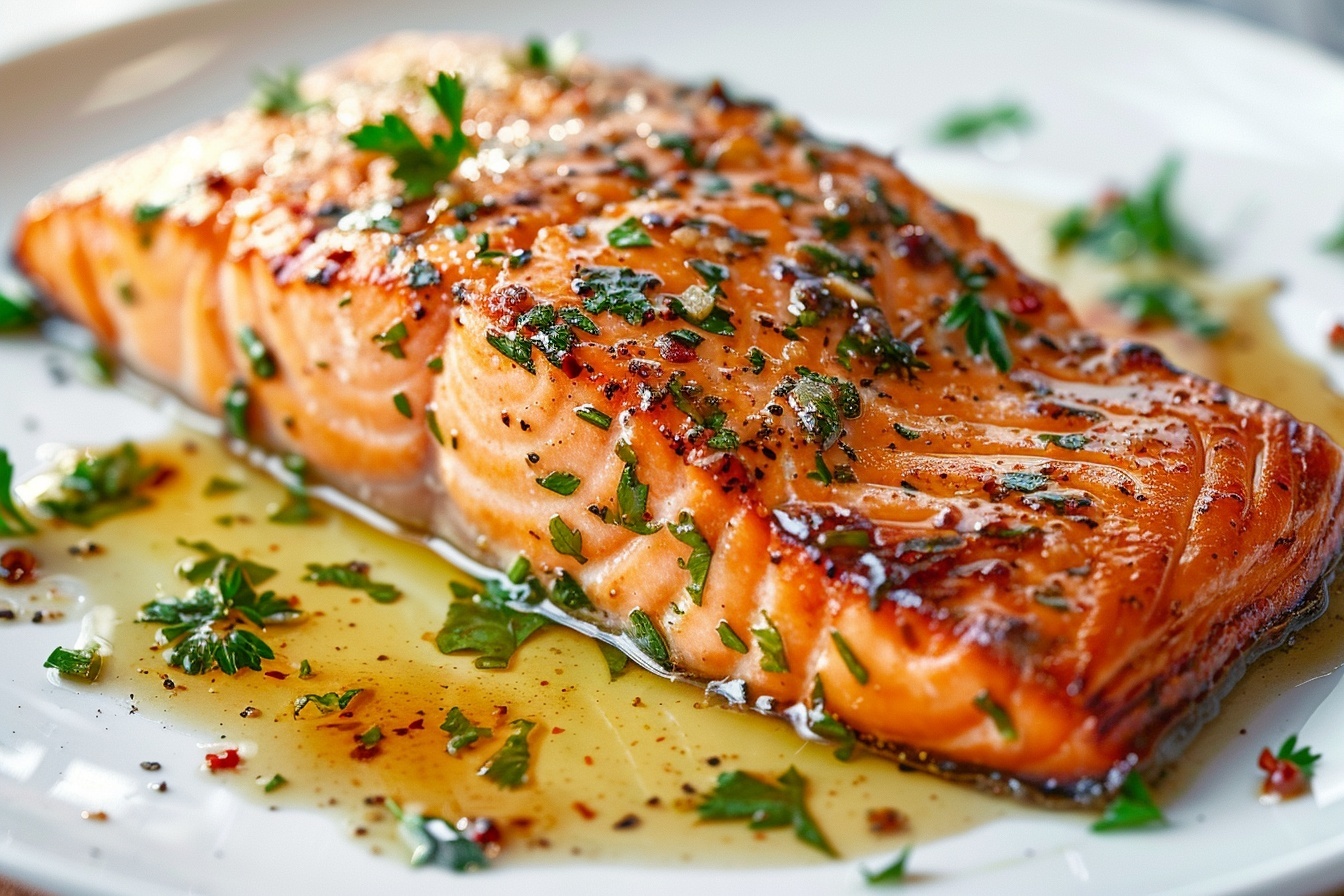
The aroma of sweet honey mingled with zesty lemon and smoky paprika fills your kitchen as you slide these luscious salmon fillets into the oven. With just a few simple ingredients coming together in a savory glaze, this Texas Roadhouse Style Baked Salmon Recipe promises a mouthwatering experience that’s as easy to make as it is impressive to serve.
Why You’ll Love This Texas Roadhouse Style Baked Salmon Recipe
- Rich, Balanced Flavor: The perfect harmony of honey’s sweetness, the umami depth of soy sauce, and a hint of smoky paprika creates a glaze bursting with layers of taste.
- Simple Ingredients: Using pantry staples like olive oil, Dijon mustard, garlic, and fresh lemon juice means no complicated shopping trips—just wholesome, accessible flavors.
- Quick and Convenient: In just 6 minutes of prep and 14 minutes baking, with a short broil finish, you’ll have a stunning, restaurant-quality meal ready to enjoy.
- Impressive Presentation: The salmon bakes to a gorgeous caramelized glaze with a sprinkle of fresh parsley, making your plate look vibrant and inviting.
- Customizable to Taste: With easy swaps like maple syrup for honey or tamari for soy sauce, you can tailor this recipe to dietary preferences without losing its bold flavors.
Why This Texas Roadhouse Style Baked Salmon Recipe Works
The secret to this delicious baked salmon lies in its beautifully balanced glaze—a mix of honey, soy sauce, Dijon mustard, and spices—spread generously over the skin-side-down fillets. Baking at a steady 400°F allows the salmon to remain perfectly tender and moist, while the final broil step caramelizes the glaze, adding that signature Texas Roadhouse crispy finish. This method ensures both flavor and texture shine through, giving you a dish that’s both effortless and impressive every single time.
Ingredients You’ll Need
Gather fresh, firm salmon fillets with glossy flesh—the kind that promise a tender, flaky bite. Complement these with familiar kitchen heroes like olive oil, honey, and lemon juice, all harmonizing in a savory glaze that brings out the best in every element.
- 4 fillets Fresh or thawed salmon: Look for firm, glossy flesh with a mild ocean scent.
- 2 tablespoons Olive oil: Adds silkiness and helps the glaze bind beautifully to the fish. (Avocado oil also works well.)
- 2 tablespoons Honey: Provides natural sweetness and a lovely sticky glaze. (Maple syrup makes a delicious alternative.)
- ¼ cup Soy sauce: Delivers that savory umami punch necessary for depth. (Use tamari for a gluten-free option.)
- 2 tablespoons Dijon mustard: Offers a subtle tang that balances the sweetness.
- 2 cloves Garlic: Minced to infuse gentle warmth without overpowering.
- 1 teaspoon Paprika: Brings a hint of earthiness and color. (Smoked paprika adds a smoky nuance.)
- ½ teaspoon Salt: Enhances all the flavors perfectly—adjust to your taste.
- ¼ teaspoon Black pepper: Freshly cracked for a little punch.
- 1 tablespoon Lemon juice: Adds bright acidity to elevate the glaze. (Lime juice is a great substitute.)
- 1 tablespoon Fresh Parsley: Chopped for a fresh, herbaceous garnish.
Ingredient Substitutions & Tips
- Olive oil: Feel free to swap with avocado oil, which has a milder flavor and higher smoke point.
- Honey: Maple syrup is an equally rich and natural sweetener if you prefer a different note.
- Soy sauce: Tamari works perfectly if you need gluten-free dining without sacrificing umami.
- Paprika: Regular paprika yields lovely color and mild spice, while smoked paprika amps up the flavor with a deep, smoky profile.
👨🍳 Pro Tips for Perfect Results
- Choose fresh salmon: Look for fillets that are firm with a bright sheen and mild smell.
- Pat the salmon dry: Removing excess moisture helps the glaze adhere better and promotes even cooking.
- Reserve glaze for basting: Basting halfway through baking ensures layers of flavor and moisture.
- Watch the broiler carefully: The broil step caramelizes the glaze quickly—don’t walk away!
- Adjust seasoning after tasting: Balance salt and lemon for your preferred zing before glazing.
How to Make Texas Roadhouse Style Baked Salmon Recipe
Step 1: Preparation
Start your feast by preheating the oven to 400°F (200°C). Lay a rimmed baking sheet with parchment paper or lightly grease a shallow baking dish to ensure a non-stick surface.
💡 Pro Tip: Using parchment paper makes cleanup a breeze and helps the glaze stay put.
Step 2: Make the Glaze
In a medium bowl, whisk together olive oil, honey, soy sauce, Dijon mustard, minced garlic, paprika, lemon juice, salt, and black pepper until silky and smooth. Give it a quick taste and adjust salt or lemon juice for your ideal balance.
💡 Pro Tip: Balancing acidity and sweetness here is key to that unmistakable Texas Roadhouse flavor.
Step 3: Prepare the Salmon
Gently pat your salmon fillets dry with paper towels to ensure the glaze sticks well. Arrange them skin-side down on the prepared pan and liberally brush each with the glaze. Remember to set aside a few tablespoons for basting during cooking.
💡 Pro Tip: Dry salmon means a better sear and more glaze absorption—don’t skip this!
Step 4: Cooking
Place the salmon in the oven and bake for 10 to 14 minutes, depending on thickness, until the fish is opaque and flakes easily with a fork. Midway through cooking, baste the fillets with the reserved glaze to keep them moist and flavorful.
💡 Pro Tip: Timing varies—check the thickest part of the fillet to avoid overcooking.
Step 5: Broil for Finish
Switch your oven to broil for the last 1 to 2 minutes to achieve that gorgeous golden caramelization on top. Keep a close eye to prevent burning. Once out, let the salmon rest for 2 minutes, then sprinkle with fresh chopped parsley and an extra squeeze of lemon to brighten every bite.
💡 Pro Tip: The broil step adds that authentic Texas Roadhouse crispy glaze that guests will rave about.
Common Mistakes to Avoid
Learn from these common pitfalls:
- Overcooking the salmon: Being too eager can dry out the fillets—watch for that delicate flake.
- Skipping the glaze basting: Missing this step results in less flavor penetration and dryness.
- Ignoring the broil step: Without it, you lose that signature caramelized finish that sets this recipe apart.
- Using watery salmon: Damp fillets prevent glaze adhesion and dull flavor impact.
- Not tasting the glaze before applying: A quick taste ensures you get the sweet-salty-lemon balance right.
- Walking away during broiling: The glaze can burn in seconds—stay attentive!
Delicious Variations to Try
Once you’ve mastered this Texas Roadhouse Style Baked Salmon Recipe, you can experiment with these exciting twists to keep dinner fresh and fun:
Spicy Cajun Kick
Add ½ teaspoon of Cajun seasoning or a pinch of cayenne pepper to the glaze for a bold, fiery twist that wakes up your taste buds without overwhelming the salmon’s natural flavor.
Maple and Ginger Glaze
Swap honey for maple syrup and add 1 teaspoon of freshly grated ginger to the glaze. This creates a warming, slightly spicy-sweet profile reminiscent of cozy fall dinners.
Lemon Herb Delight
Mix in finely chopped fresh dill and basil along with parsley, and increase lemon juice to 1½ tablespoons for a bright, garden-fresh flavor that’s perfect for spring and summer meals.
Garlic Butter Finish
After broiling, drizzle melted garlic herb butter over the salmon for ultimate richness. This pairs wonderfully with steamed veggies or buttery mashed potatoes.
Asian Sesames
Top your glazed salmon with toasted sesame seeds and sliced green onions right after broiling for a crunchy, savory finish inspired by Asian cuisines.
How to Serve Texas Roadhouse Style Baked Salmon Recipe
Garnishes
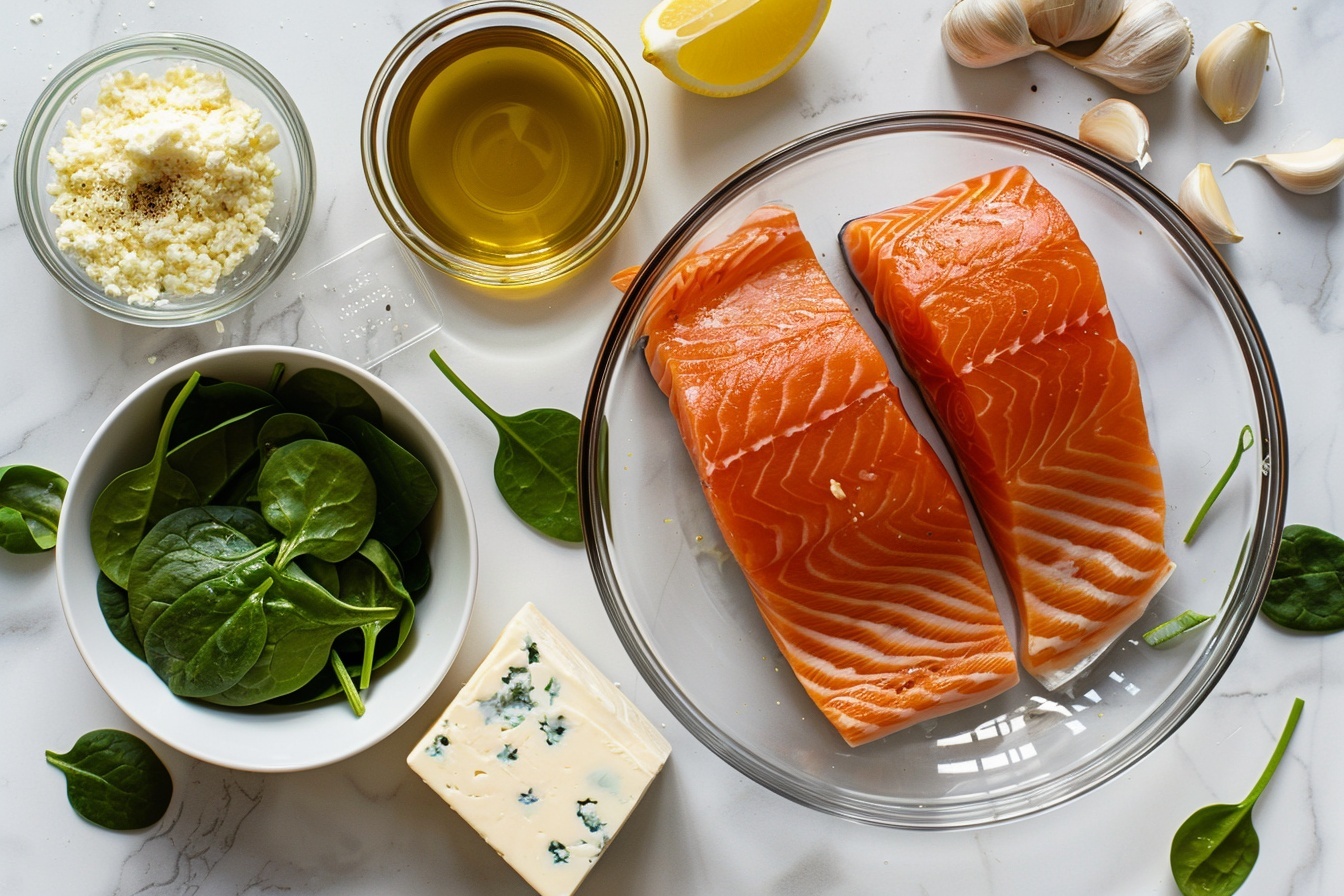
A sprinkle of fresh parsley and a final squeeze of lemon juice brighten both the look and flavor. For a bit of color contrast, consider adding thin lemon slices or a sprinkle of finely chopped chives.
Side Dishes
This flavorful baked salmon shines with simple sides like garlic roasted asparagus, creamy mashed potatoes, or a crisp garden salad. Pair it with light quinoa or wild rice pilaf to soak up all the luscious glaze.
Creative Ways to Present
For an inviting dinner, plate the salmon atop a bed of fluffy couscous or alongside vibrant grilled vegetables. Use a drizzle of extra glaze artistically around the plate to enhance both flavor and visual appeal.
Make Ahead and Storage
Make-Ahead Instructions
You can prepare the glaze up to a day in advance and keep it refrigerated. Pat and season the salmon fillets just before baking to retain freshness and texture.
Storage
Store any leftovers in an airtight container in the refrigerator. They will stay fresh for up to 2 days, perfect for quick lunch or dinner the next day.
Freezing
While fresh salmon is best, you can freeze cooked salmon tightly wrapped for up to 1 month. Thaw overnight in the refrigerator before reheating gently.
Reheating
Reheat salmon gently in a low oven (around 275°F) for 10–15 minutes or in the microwave on a low power setting to avoid drying it out and preserve that luscious glaze.
Expert Tips for Success
- Always dry your salmon well before glazing for the best adhesion and crust.
- Use fresh lemon juice instead of bottled for a brighter, cleaner flavor.
- Reserve some glaze for basting mid-bake to keep salmon moist and flavorful.
- Keep a close watch during broiling to avoid burning the glaze’s sugars.
- Adjust salt carefully since soy sauce contributes a lot of sodium.
- Experiment with smoked paprika for an authentic touch of smoky aroma.
- Slice salmon fillets evenly for consistent cooking.
Frequently Asked Questions
Can I use frozen salmon for this recipe?
Yes! Just make sure to fully thaw the fillets, pat them dry, and proceed as directed for the best result.
Is this recipe gluten-free?
It can be. Simply swap soy sauce for tamari to make it gluten-free without changing the delicious flavor.
What if I don’t have Dijon mustard?
You can substitute yellow mustard, though Dijon provides a creamier, tangier profile that complements the glaze better.
Can I skip the broiling step?
You can, but broiling caramelizes the glaze, adding texture and that classic Texas Roadhouse crispy finish, so it’s highly recommended.
How thick should the salmon fillets be?
About 1 to 1 ½ inches thick works best to ensure even cooking and moist results.
Can I double the glaze for more flavor?
Absolutely! Just be mindful of the sodium from soy sauce; adjust salt accordingly to keep it balanced.
How do I know when the salmon is done?
The salmon should flake easily with a fork but still be moist inside. The internal temperature ideally reaches 145°F.
Final Thoughts
This Texas Roadhouse Style Baked Salmon Recipe is a true treasure—a simple yet sophisticated way to bring tender, flaky salmon to your table with a glaze that’s bursting with flavor. Whether you’re whipping it up for a relaxed weeknight dinner or aiming to impress guests without stress, this recipe will quickly become a beloved classic. Give it a try and savor the delightful mix of sweet, savory, and smoky notes that make every bite a joy.
PrintTexas Roadhouse Style Baked Salmon Recipe
This Texas Roadhouse Style Baked Salmon features tender salmon fillets glazed with a savory-sweet mixture and finished with a caramelized broil for a flavorful and easy weeknight dinner.
- Prep Time: 8 minutes
- Cook Time: 14 minutes
- Total Time: 24 minutes
- Yield: 4 servings 1x
- Category: Seafood
- Method: Baking
- Cuisine: American
- Diet: Gluten Free
Ingredients
Ingredients
- 4 fillets Fresh or thawed salmon (Look for firm, glossy flesh with a mild ocean scent.)
- 2 tablespoons Olive oil (Can be substituted with avocado oil.)
- 2 tablespoons Honey (Maple syrup is a great alternative.)
- 1/4 cup Soy sauce (Use tamari for gluten-free option.)
- 2 tablespoons Dijon mustard (Yellow mustard can work in a pinch.)
- 2 cloves Garlic (Minced.)
- 1 teaspoon Paprika (Smoked paprika adds deeper flavor.)
- 1/2 teaspoon Salt (Adjust according to taste.)
- 1/4 teaspoon Black pepper (Freshly cracked.)
- 1 tablespoon Lemon juice (Lime juice can be a substitute.)
- 1 tablespoon Fresh Parsley (Chopped for garnish.)
Instructions
- Preparation Preheat the oven to 400°F (200°C). Line a rimmed baking sheet with parchment paper or lightly oil a shallow baking dish.
- Mix Glaze In a medium bowl, whisk together olive oil, honey, soy sauce, Dijon mustard, minced garlic, paprika, lemon juice, salt, and black pepper until smooth. Taste and adjust salt or lemon for balance.
- Prepare Salmon Pat the salmon fillets dry with paper towels. Place them skin-side down on the prepared pan and brush each fillet generously with the glaze. Reserve a few tablespoons of glaze for basting mid-bake.
- Cook Bake for 10–14 minutes depending on thickness. Halfway through, baste with the reserved glaze.
- Broil and Rest For a caramelized top, switch to broil for 1–2 minutes, watching carefully to prevent burning. Remove from the oven and let rest for 2 minutes before serving. Sprinkle chopped parsley and an extra squeeze of lemon.
Notes
- Can substitute olive oil with avocado oil.
- Maple syrup is a great alternative to honey.
- Use tamari instead of soy sauce for a gluten-free option.
- Yellow mustard can be used if Dijon mustard is unavailable.
- Smoked paprika adds deeper flavor than regular paprika.
- Lime juice can substitute for lemon juice.