
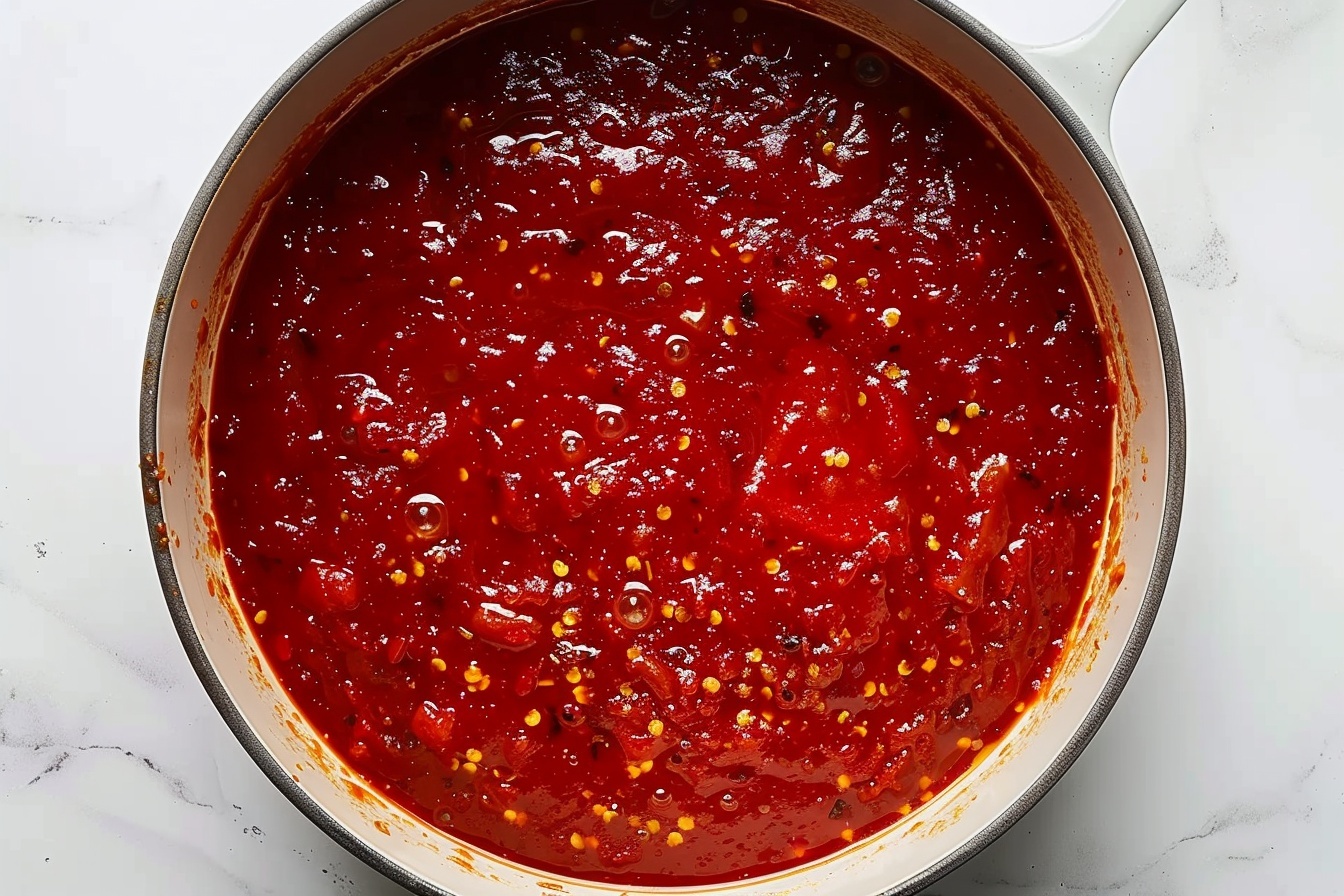
I never thought I’d find a homemade Italian spaghetti sauce recipe easier than this—until I experienced the rich aroma of simmered tomatoes, garlic, and fresh basil filling my kitchen. That inviting scent, combined with the vibrant red color and comforting texture, makes every bite a celebration of classic Italian flavors. There is something truly special about crafting this sauce on your stovetop, turning simple ingredients into a heartwarming sauce that elevates any pasta dish.
Why You’ll Love This Homemade Italian Spaghetti Sauce Recipe
- Rich, Authentic Flavor: This sauce bursts with the deep, savory notes of crushed tomatoes, aromatic garlic, and delicate fresh basil that sing together beautifully.
- Simple Ingredients: Using pantry staples like extra virgin olive oil, onions, and tomato paste means you can make this anytime without a special grocery run.
- Perfect for Gathering: Yielding 6 hearty servings, it’s ideal for family dinners or impressing guests with minimal fuss.
- Classic Stovetop Method: Low and slow simmering for around 1 hour and 10 minutes lets the flavors meld into a velvety smooth sauce that’s pure perfection.
- Customizable Heat: A pinch of optional red pepper flakes allows you to tailor the spice level exactly to your taste.
Why This Homemade Italian Spaghetti Sauce Recipe Works
This recipe excels because it embraces slow stovetop simmering, which unlocks the best depth from crushed tomatoes and herbs. Starting with gently sautéing finely chopped yellow onion in extra virgin olive oil softens its flavor, creating a sweet base that holds everything together. Adding garlic just briefly keeps it vibrant and fragrant without bitterness. The small but mighty addition of tomato paste intensifies the tomato essence, while a sprinkle of dried oregano and fresh basil leaves add those unmistakable Italian notes. This careful layering of flavors and technique ensures a sauce that’s well-balanced and irresistibly comforting.
Ingredients You’ll Need
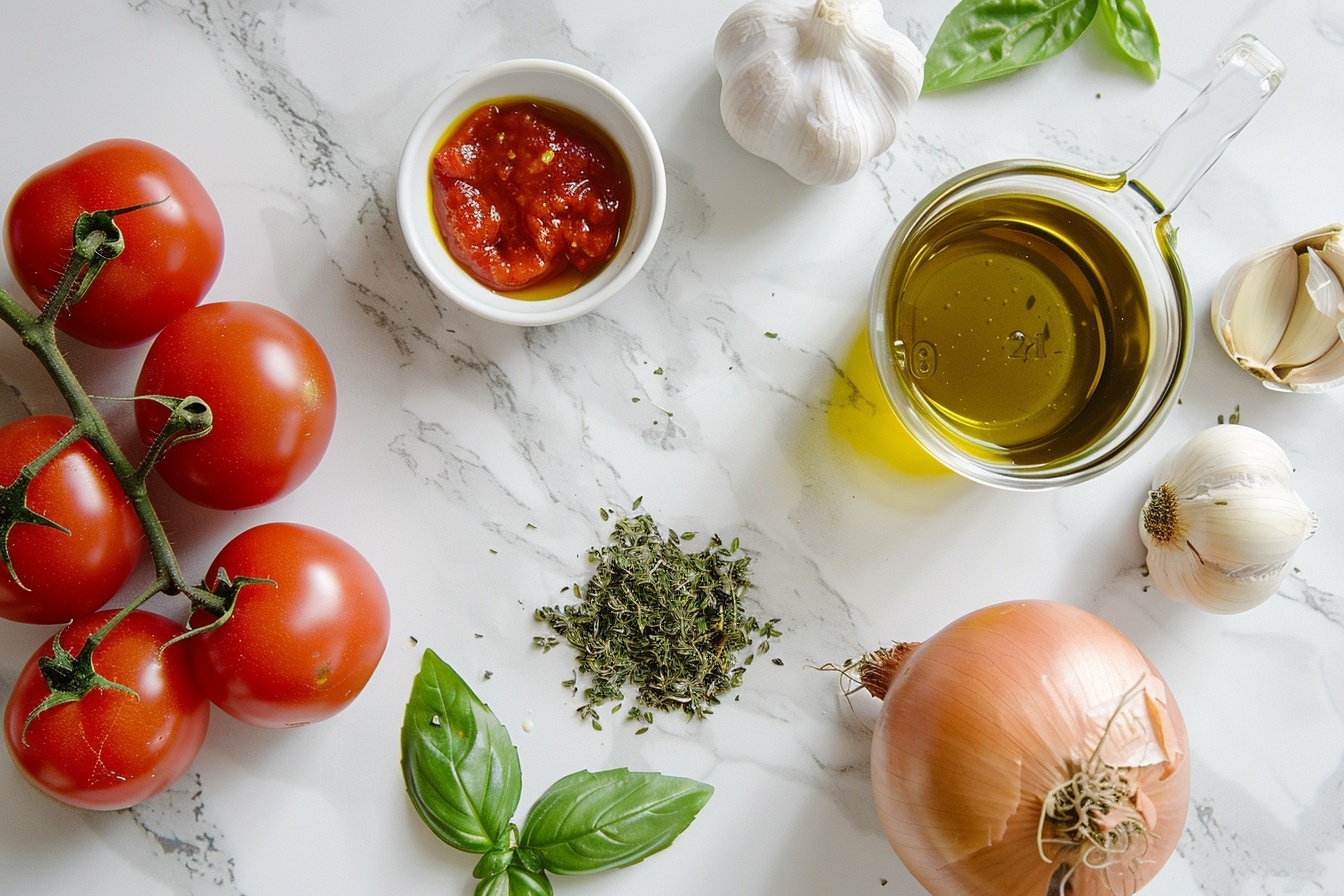
Gather wholesome, vibrant ingredients that create the magic behind this beloved homemade Italian spaghetti sauce recipe. Each one brings its own personality and flair to your simmering pot.
- 2 tbsp extra virgin olive oil: The golden, fruity foundation for sautéing and flavor.
- 1 medium yellow onion (finely chopped): Adds sweetness and depth as it softens gently.
- 5 garlic cloves (minced): Contributes aromatic warmth that sings in every spoonful.
- 2 cans (28 oz each) crushed tomatoes: The robust, tomatoey heart of the sauce.
- 1 tbsp tomato paste: Concentrates tomato flavor for richness and body.
- 1 tsp salt: Enhances all the flavors and balances sweetness.
- ½ tsp black pepper: Adds a subtle bite and depth.
- 1 tsp dried oregano: Brings that unmistakable Italian herb fragrance.
- ½ tsp red pepper flakes (optional): For a gentle kick of heat if you like a little zing.
- Fresh basil leaves: The vibrant finishing touch that brightens the sauce beautifully.
Ingredient Substitutions & Tips
- Extra virgin olive oil: Substitute with avocado oil for a lighter taste or grapeseed oil for a neutral flavor.
- Yellow onion: Sweet onions like Vidalia work well too, or shallots for a milder, more delicate flavor.
- Crushed tomatoes: Use fire-roasted crushed tomatoes for a smoky twist or canned whole tomatoes crushed by hand for texture variation.
- Fresh basil: If unavailable, try fresh oregano or flat-leaf parsley to maintain bright herbal notes.
👨🍳 Pro Tips for Perfect Results
- Low and Slow Simmering: Keep your heat low to avoid burning and to let flavors marry gently over the 45 to 60 minutes.
- Fresh Garlic Timing: Add garlic only briefly to keep its flavor bright and prevent bitterness.
- Chop Onions Uniformly: Finely chopped onion cooks evenly and melts beautifully into the sauce base.
- Quality Tomatoes Matter: Choose good-quality canned crushed tomatoes for the richest sauce.
- Fresh Basil Last: Adding basil right at the end preserves its aromatic freshness and vivid color.
How to Make Homemade Italian Spaghetti Sauce Recipe
Step 1: Heat olive oil over medium-low heat
Start by warming your golden extra virgin olive oil gently in a large pot. This soft heat releases fruity notes without scorching, setting the stage for your sauce’s foundation.
💡 Pro Tip: Medium-low heat prevents oil from smoking and helps the onion cook evenly.
Step 2: Add onion and cook until soft
Toss in finely chopped yellow onion and stir occasionally until it turns translucent and tender. This step is your flavor base developing sweet undertones.
💡 Pro Tip: Don’t rush—patience here builds natural sweetness and complexity.
Step 3: Stir in garlic and cook briefly
Add minced garlic to the pot and cook just long enough to release its perfume, about 30 seconds. Too long and it’ll become bitter, so keep a watchful eye.
💡 Pro Tip: Stir constantly during this brief step for even flavor release.
Step 4: Add tomato paste and stir
Next, swirl in that concentrated tablespoon of tomato paste. It deepens the tomato richness and gives a beautiful, velvety texture to your sauce.
💡 Pro Tip: Cook the paste for a couple of minutes to take out any raw edge before adding tomatoes.
Step 5: Pour in crushed tomatoes and seasonings
Gently pour the crushed tomatoes into the pot, then sprinkle in salt, black pepper, dried oregano, and optional red pepper flakes. Stir everything together, letting the seasonings mingle.
💡 Pro Tip: Taste and adjust seasoning early to build flavor harmony as it simmers.
Step 6: Simmer on low for 45–60 minutes
Lower your heat and let the sauce bubble quietly for 45 to 60 minutes. This slow simmer is where magic happens—acidity softens and layers of taste deepen.
💡 Pro Tip: Keep the pot partially covered and stir occasionally to prevent sticking.
Step 7: Finish with fresh basil
Just before serving, toss in vibrant fresh basil leaves. The bright herbal fragrance instantly elevates the sauce, delivering that unmistakable Italian flair.
💡 Pro Tip: Tear basil leaves gently instead of chopping to preserve their oils.
Common Mistakes to Avoid
Learn from these common pitfalls:
- High Heat Simmering: Cooking sauce on high heat can cause burning and bitterness that ruins the flavor.
- Overcooking Garlic: Leaving garlic too long in hot oil creates a harsh, acrid taste instead of a mellow aroma.
- Skipping Tomato Paste Step: Missing this can result in a flat-tasting sauce lacking depth and richness.
- Not Stirring Enough: Letting the sauce stick to the bottom can cause scorching and uneven cooking.
- Adding Basil Too Early: Cooking fresh basil too early dulls its fragrance and vibrant green color.
- Neglecting Seasoning: Under-salting or not tasting during the process can make the sauce bland.
Delicious Variations to Try
Once you’ve mastered this classic homemade Italian spaghetti sauce recipe, feel free to personalize it to your liking.
Spicy Arrabbiata Twist
Increase the red pepper flakes for a fiery kick that beautifully contrasts the sweet tomatoes.
Mushroom Medley
Add sautéed mushrooms for an earthy complexity that turns the sauce into a hearty centerpiece.
Roasted Garlic Infusion
Swap minced garlic for slow-roasted garlic cloves to infuse a sweet, mellow depth.
Vegetable Boost
Stir in finely chopped bell peppers or carrots for extra texture and natural sweetness.
Creamy Basil Blend
Finish the sauce with a splash of cream or coconut cream along with the basil for a luscious, velvety feel.
How to Serve Homemade Italian Spaghetti Sauce Recipe
Garnishes
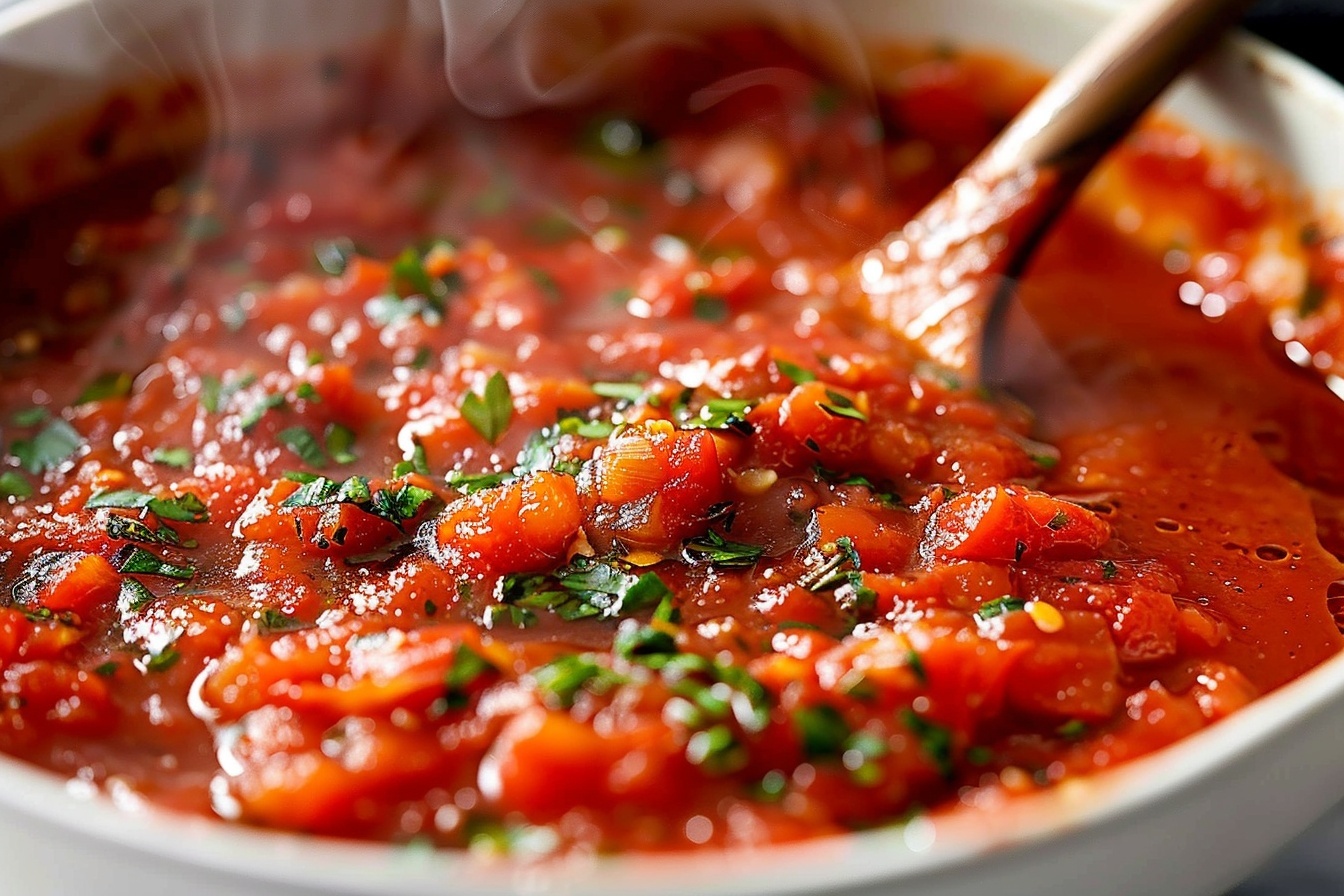
Top your sauce with fresh torn basil leaves, a sprinkle of grated Parmesan (or vegetarian-friendly Parmesan alternatives), and a drizzle of extra virgin olive oil for that inviting sheen.
Side Dishes
Pair this sauce with al dente spaghetti or your favorite pasta shapes. Garlic bread or a crisp green salad with balsamic vinaigrette make perfect companions.
Creative Ways to Present
Serve the sauce atop polenta, use as a dipping sauce for warm focaccia, or even spoon it over roasted vegetables for a delightful twist.
Make Ahead and Storage
Make-Ahead Instructions
You can prepare this sauce a day in advance to allow the flavors to deepen overnight in the refrigerator, making your next meal even more delicious.
Storage
Store leftover sauce in an airtight container in the refrigerator for up to 4 days, preserving its fresh, vibrant taste.
Freezing
This sauce freezes beautifully. Freeze in portions for up to 3 months, so you always have a homemade Italian spaghetti sauce ready to warm your soul.
Reheating
Reheat gently on the stovetop over low heat, stirring occasionally until warmed through to retain its luscious texture.
Expert Tips for Success
- Use quality extra virgin olive oil for the best flavor foundation.
- Don’t rush the simmering process; it’s key for mellowing acidity and blending flavors.
- Always add fresh basil at the very end to maintain its bright aroma.
- Finely chop onions so they dissolve nicely into the sauce.
- Adjust seasoning gradually throughout cooking for balanced taste.
- Optional red pepper flakes let you control the heat without overpowering the sauce.
- Stir regularly to avoid sticking and ensure even cooking.
Frequently Asked Questions
Can I use fresh tomatoes instead of canned crushed tomatoes?
Fresh tomatoes can work, but you’ll need to blanch, peel, and crush them first. Using canned crushed tomatoes saves time and delivers consistent flavor and texture.
How do I make the sauce thicker?
Simmer the sauce uncovered to allow moisture to evaporate or add a little tomato paste to concentrate the texture.
Is this sauce vegetarian-friendly?
Absolutely! This homemade Italian spaghetti sauce recipe is fully vegetarian and made without any animal products.
Can I prepare this sauce in a slow cooker?
Yes, you can. Sauté the onion and garlic first, then combine all ingredients in the slow cooker and cook on low for several hours to develop flavor.
What pasta types work best with this sauce?
Classic spaghetti, linguine, or penne pair wonderfully with this sauce, but feel free to use your favorite pasta shape.
How spicy is the sauce with red pepper flakes?
With ½ teaspoon of red pepper flakes, it offers a gentle warmth that complements rather than overpowers the flavors. You can omit or adjust to taste.
Can I use dried basil if fresh isn’t available?
While fresh basil brightens the sauce at the end, dried basil can be used during cooking but won’t provide the same fresh aroma or vibrant color.
Final Thoughts
This homemade Italian spaghetti sauce recipe is a true kitchen treasure—simple yet bursting with the warmth of Italian tradition in every spoonful. The joy of layering flavors with everyday ingredients and the heavenly scent that fills the house while it simmers make cooking a comforting adventure. Whether you’re twirling pasta for a quick family meal or hosting friends, this sauce promises genuine satisfaction. So, gather your ingredients, ignite your stove, and savor the deliciousness you create from scratch. Buon appetito!
PrintHomemade Italian Spaghetti Sauce Recipe
This homemade Italian spaghetti sauce features a rich blend of crushed tomatoes, aromatic garlic, and fresh basil simmered to perfection, delivering classic flavors for your pasta dishes.
- Prep Time: 10 minutes
- Cook Time: 1 hour
- Total Time: 1 hour 10 minutes
- Yield: 6 servings 1x
- Category: Sauce
- Method: Stovetop
- Cuisine: Italian
- Diet: Halal, Kosher, Vegetarian
Ingredients
Ingredients
- 2 tbsp extra virgin olive oil
- 1 medium yellow onion (finely chopped)
- 5 garlic cloves (minced)
- 2 cans (28 oz each crushed tomatoes)
- 1 tbsp tomato paste
- 1 tsp salt
- 1/2 tsp black pepper
- 1 tsp dried oregano
- 1/2 tsp red pepper flakes (optional)
- Fresh basil leaves
Instructions
- Heat olive oil: Heat olive oil over medium-low heat.
- Cook onion: Add onion and cook until soft.
- Cook garlic: Stir in garlic and cook briefly.
- Add tomato paste: Add tomato paste and stir.
- Add tomatoes and seasonings: Pour in crushed tomatoes and seasonings.
- Simmer sauce: Simmer on low for 45–60 minutes.
- Add basil: Finish with fresh basil.