
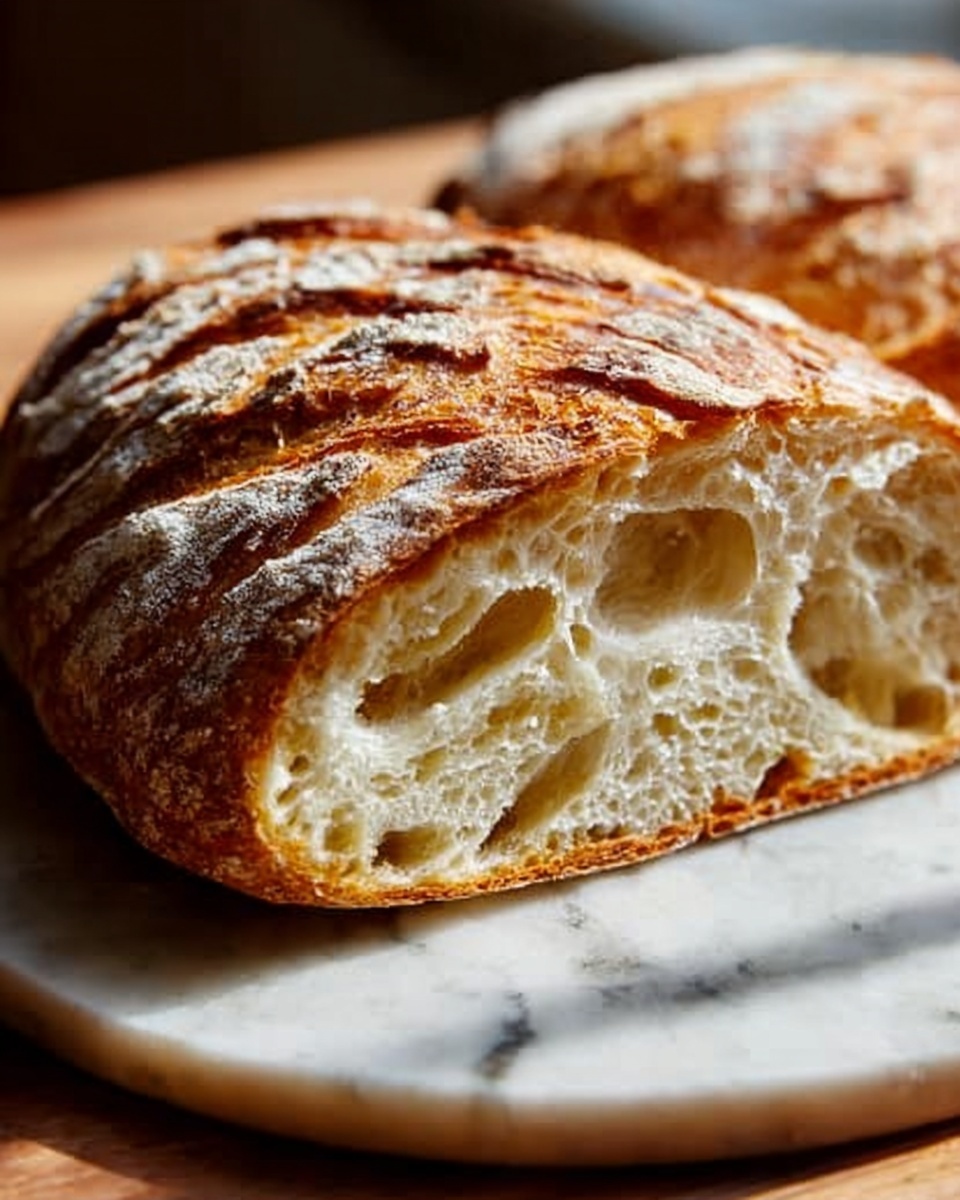
I never thought I’d find a Homemade Ciabatta Bread Recipe easier than this, yet it fills the whole kitchen with that irresistible warmth and scent of freshly baked artisan bread. That crackling golden crust beckons you to tear a piece apart, revealing clouds of soft, airy crumb that melt delightfully on your tongue. Whether you’re making sandwiches or craving a side to elevate any meal, this recipe brings rustic Italian charm right to your countertop.
Why You’ll Love This Homemade Ciabatta Bread Recipe
- Artisan Taste and Texture: Experience that perfect rustic crunch on the outside paired with a light, honeycomb-like interior that soaks up olive oil and spreads beautifully.
- Simple Ingredients, Big Flavor: Using only bread flour, water, a touch of yeast, salt, and optional olive oil, this recipe relies on quality basics—no fancy additives needed.
- Rewarding Baking Process: Though it involves patience with rise and stretch-and-fold techniques, the hands-on method is satisfying and deeply connects you with traditional bread making.
- Impressive Presentation: Two lovely loaves emerge with a golden crust, making your kitchen look like a rustic Italian bakery without the need to leave home.
- Customizable Finishing Touch: A gentle brushing of olive oil at the end adds a lovely sheen and subtle flavor, letting you tailor the loaf to your preference.
Why This Homemade Ciabatta Bread Recipe Works
The magic behind this Homemade Ciabatta Bread Recipe lies in a few key techniques that transform humble ingredients into an exceptional loaf. Starting with a shaggy, sticky dough encourages that airy texture you’re after. The crucial series of stretch-and-folds performed every 30 minutes develop strength gently, creating those signature holes inside the bread without toughening the crust. Baking on a preheated stone at 475°F ensures an even, intense heat that crisps the surface to golden perfection while preserving a soft interior. This recipe’s method is a beautiful blend of patience and craftsmanship that will make you feel like a true artisan baker.
Ingredients You’ll Need
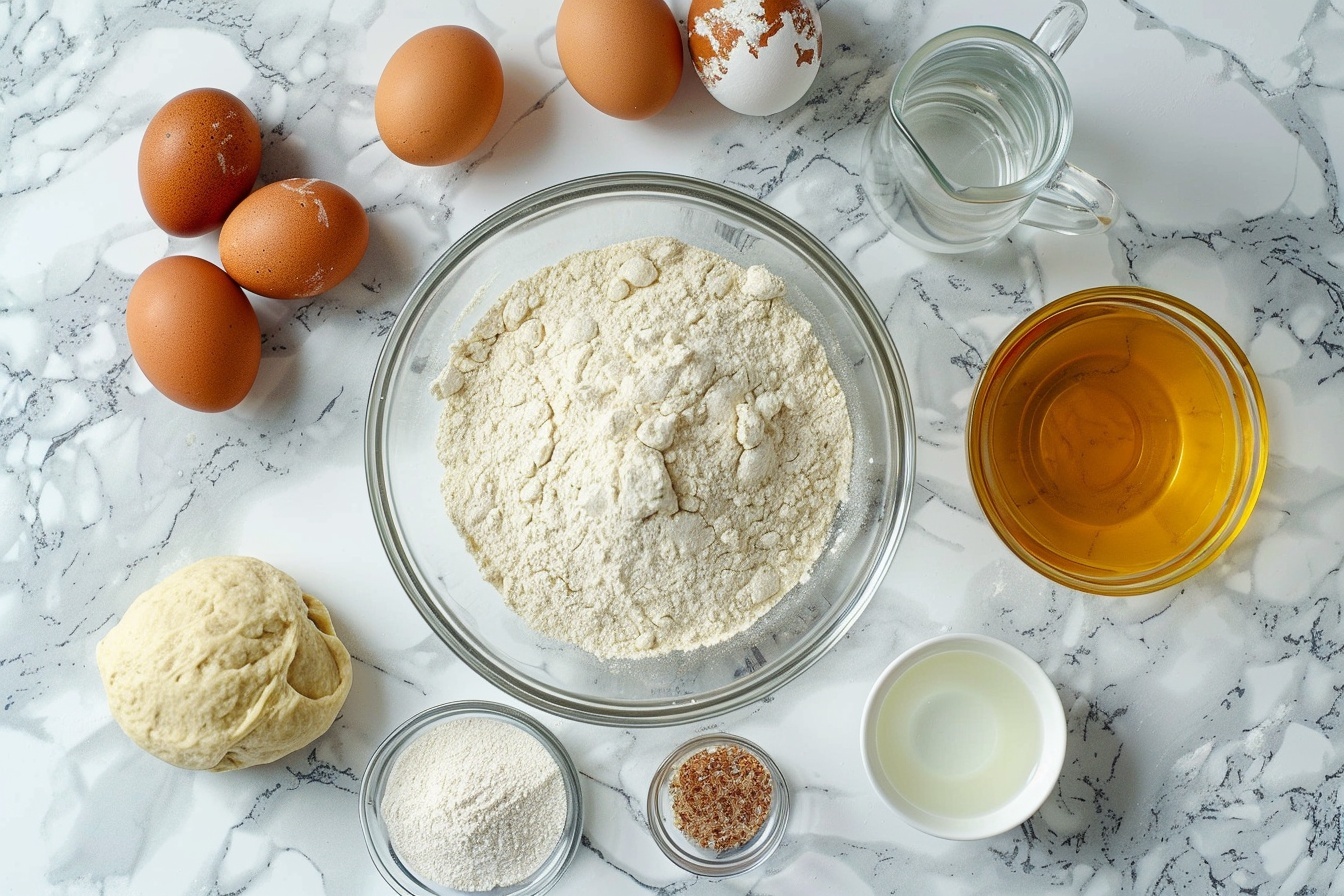
Gather pantry staples that you can trust to shine when combined thoughtfully. The simplicity of this loaf means each ingredient plays a starring role.
- 400g bread flour: Provides the strength and gluten development essential for ciabatta’s structure and chew.
- 350ml water: Hydrates the flour to create the dough’s famous sticky yet workable texture.
- 1/4 teaspoon instant yeast: Just enough to give the dough a gentle rise without overpowering the flavors.
- 1 1/2 teaspoons salt: Enhances flavor and controls fermentation.
- 1 tablespoon olive oil (optional for finishing): Adds a subtle richness and glossy finish to your crust.
Ingredient Substitutions & Tips
- Bread flour: You can substitute with all-purpose flour, though expect a slightly less chewy texture and lighter rise.
- Instant yeast: Active dry yeast works too; just dissolve it in warm water before mixing.
- Olive oil: Feel free to skip or replace with vegetable oil if you prefer a more neutral finish.
👨🍳 Pro Tips for Perfect Results
- Tip 1: Use a kitchen scale to measure your flour and water for consistent dough every time.
- Tip 2: Stretch-and-fold the dough gently to preserve the delicate air bubbles that create an open crumb.
- Tip 3: Preheat your baking stone or steel well in advance for that perfect crust snap.
- Tip 4: Be patient during proofing; letting the dough double naturally is key to flavor and texture.
- Tip 5: Cool your loaves completely before slicing to avoid gummy crumbs.
How to Make Homemade Ciabatta Bread Recipe
Step 1: Mix the dough
Begin by tossing together bread flour, water, yeast, and salt in a large bowl. You’ll mix until the dough forms a shaggy, sticky mass—don’t worry if it looks a little rough; that’s exactly what we want at this stage.
💡 Pro Tip: Resist the urge to add extra flour here—wet dough helps create those signature holes.
Step 2: Rest the dough
Cover your bowl and let the dough relax for 1 hour. This resting phase hydrates the flour thoroughly. After that, perform three rounds of stretch-and-folds every 30 minutes—this method strengthens without heavy kneading, preparing your dough for a beautiful rise.
💡 Pro Tip: Use wet hands to avoid sticking when you stretch and fold the dough.
Step 3: First rise
Set the dough aside to rise until it doubles in size, which usually takes about 2 hours. During this time, the yeast does its magic, creating flavor and a breathable, airy interior.
💡 Pro Tip: Keep your dough in a warm, draft-free spot to help it rise evenly.
Step 4: Shape the dough
Flour your work surface generously and gently coax the dough into a rectangle. Handle it delicately so you don’t deflate all that precious air. Then cut the rectangle into two loaves—each one will become a stunning ciabatta.
💡 Pro Tip: Use a bench scraper for clean cuts without deflating your dough.
Step 5: Proof the loaves
Transfer your formed loaves onto parchment paper and leave them uncovered to proof for 45 minutes. This step gives your bread its final lift and lightness before baking.
💡 Pro Tip: Keep the loaves spaced apart so they don’t stick and lose shape.
Step 6: Preheat oven
While your loaves rest, preheat your oven to 475°F, placing a baking stone or steel inside to get piping hot. This intense heat jumpstarts a perfect crust development.
💡 Pro Tip: Don’t rush preheating—give your stone at least 45 minutes to reach temperature.
Step 7: Bake
Carefully slide the loaves, parchment and all, onto your hot baking surface. Bake for 20 to 25 minutes until the crust turns a beautiful golden brown and you hear it crackle as it cools.
💡 Pro Tip: Keep the oven door closed during baking for consistent heat, but listen for that crackling sound as a sign of perfection.
Step 8: Cool
Once baked, transfer your loaves to a wire rack and let them cool completely before slicing. This cooling allows the crumb to set perfectly.
💡 Pro Tip: If you slice too early, the bread can become gummy—patience rewards you here!
Common Mistakes to Avoid
Learn from these common pitfalls:
- Adding too much flour: This results in dense bread and closes the crumb, so stick to the recipe’s wet dough ratio.
- Skipping stretch-and-folds: Without them, dough won’t develop enough strength, leading to flat loaves.
- Underproofing: Don’t rush the rise; the dough needs time to double for that light texture.
- Not preheating the baking surface enough: This can cause pale, soft crusts instead of that desired crunchy finish.
- Slicing bread too soon: Waiting is crucial; cutting while warm leads to gummy slices.
Delicious Variations to Try
Once you’ve mastered the classic version of this Homemade Ciabatta Bread Recipe, feel free to explore where your creativity takes you!
Herb-Infused Ciabatta
Add fresh rosemary, thyme, or oregano into the dough before the first rise to elevate the aroma and infuse your bread with fragrant herbal notes.
Olive and Sundried Tomato Ciabatta
Toss in chopped kalamata olives and sundried tomatoes for a savory, Mediterranean twist that pairs beautifully with cheese and spreads.
Whole Wheat Ciabatta
Replace up to half the bread flour with whole wheat flour for a nuttier flavor and added fiber, making a heartier loaf.
Garlic Butter Finish
Brush your loaves with melted garlic butter right after baking for an irresistible, flavor-packed crust.
Seeded Ciabatta
Sprinkle sesame, sunflower, or flax seeds on top before baking for delightful crunch and added nutrition.
How to Serve Homemade Ciabatta Bread Recipe
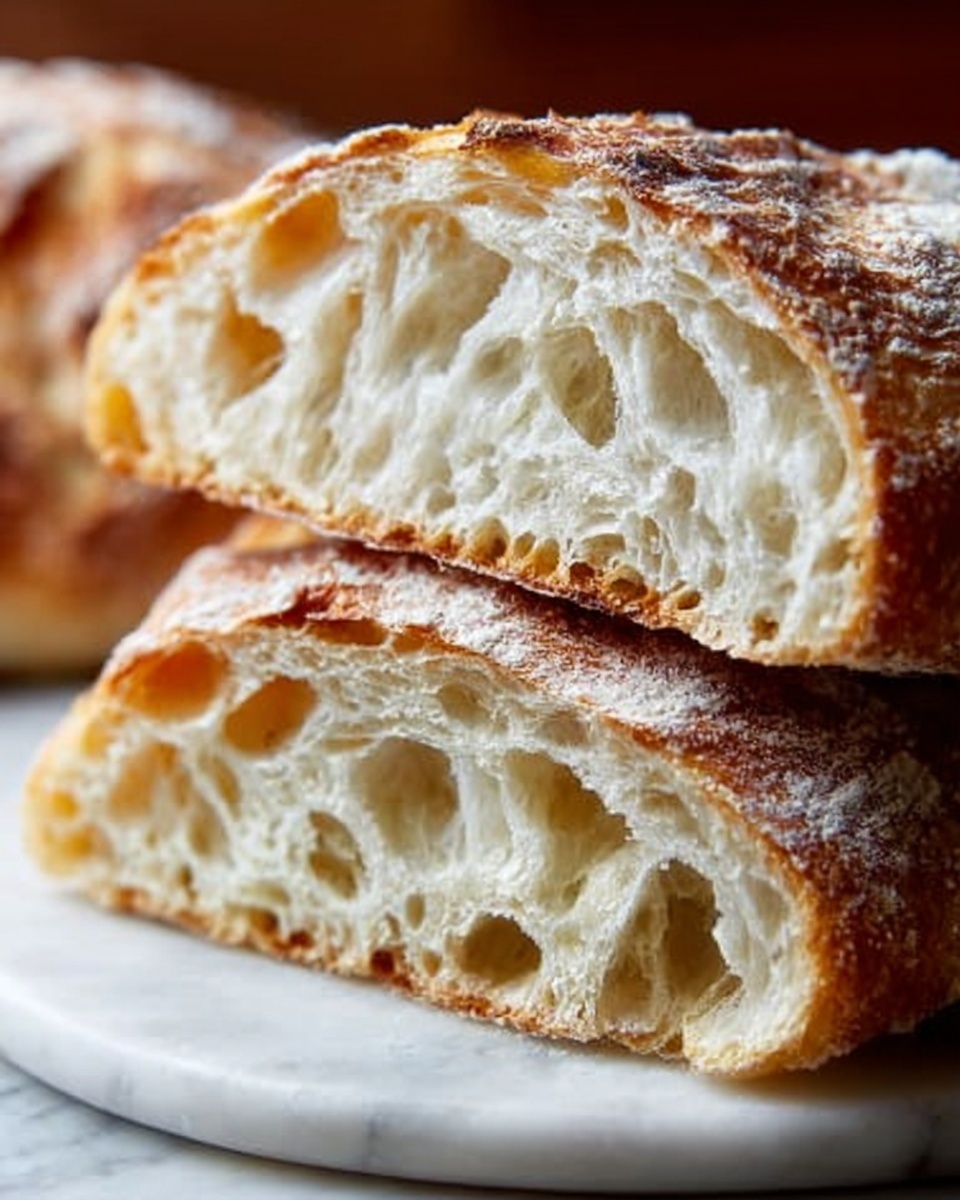
Garnishes
A light drizzle of good extra virgin olive oil or a sprinkle of flaky sea salt complements the bread’s natural flavor perfectly. Fresh herbs like basil or parsley also add a fresh pop on top.
Side Dishes
Serve alongside classic Italian antipasti, a robust tomato soup, or creamy cheeses such as burrata or ricotta for an elevated meal experience.
Creative Ways to Present
Slice your ciabatta thick for hearty sandwiches or toast slices to serve with olive tapenade or smashed avocado. For a special touch, hollow out a loaf to use as a rustic bread bowl for dips.
Make Ahead and Storage
Make-Ahead Instructions
You can prepare the dough up to the first rise and refrigerate overnight, letting the yeast slowly ferment and enhance the flavor. Just bring it back to room temperature before shaping.
Storage
Store cooled loaves in paper bags at room temperature for up to 2 days to maintain crispness without moisture buildup.
Freezing
This Homemade Ciabatta Bread freezes well. Wrap your cooled loaves tightly in plastic wrap and foil; freeze for up to 3 months.
Reheating
Restore that freshly baked crunch by warming slices in a hot oven (about 350°F) for 5-7 minutes or toasting gently in a skillet.
Expert Tips for Success
- Use bread flour to maximize gluten development and achieve the light crumb ciabatta is known for.
- Maintain dough hydration for the signature open texture—wet dough is key!
- Perform stretch-and-folds instead of heavy kneading to nurture air pockets gently.
- Keep your baking surface thoroughly preheated for the best oven spring and crust.
- Allow adequate proofing time; patience defines flavor depth and lightness.
- Cool fully before slicing to get perfect sliceable texture.
- Optionally finish with olive oil for extra taste and a lovely sheen.
Frequently Asked Questions
Can I use all-purpose flour instead of bread flour?
Yes, you can, but expect a softer crumb and less chew. Bread flour’s higher protein content creates better structure and those signature holes.
Is olive oil necessary in the dough?
The olive oil is optional and mainly used for finishing. It adds flavor and a subtle shine but can be skipped without affecting the dough’s rise.
Can I speed up the rising time?
While warmer temperatures can shorten rising times, slower fermentation enhances flavor. Patience is well rewarded with delicious bread.
What if my dough is too sticky to handle?
That’s perfectly normal for ciabatta dough. Use lightly floured hands and surfaces, and resist the urge to add too much extra flour.
How long does homemade ciabatta keep fresh?
Stored properly in a paper bag at room temperature, it stays fresh for about 2 days. For longer storage, freezing is your best option.
Can I make this bread dairy-free?
Absolutely! The recipe as given has no dairy, so it’s perfect for dairy-free diets straight away.
Do I need a baking stone or steel?
While it’s ideal for the best crust, you can bake on a heavy baking sheet if necessary. Just make sure to preheat it thoroughly for better results.
Final Thoughts
Baking this Homemade Ciabatta Bread Recipe is more than just making bread—it’s creating a cozy moment in your kitchen where simple ingredients come alive in an extraordinary way. The crusty golden exterior and soft, light crumb tell the story of patience and love folded into every loaf. I encourage you to grab your flour and yeast, embrace the process, and savor the joy of fresh, homemade artisan bread that brings friends and family together around the table.
PrintHomemade Ciabatta Bread Recipe

This Homemade Ciabatta Bread recipe guides you through making rustic, airy Italian bread with a crisp crust and soft interior, perfect for sandwiches or enjoying with olive oil.
- Prep Time: 10 minutes
- Cook Time: 25 minutes
- Total Time: 4 hours 5 minutes
- Yield: 2 servings 1x
- Category: Bread
- Method: Baking
- Cuisine: Italian
- Diet: Vegetarian
Ingredients
Ingredients
- 400g bread flour
- 350ml water
- 1/4 teaspoon instant yeast
- 1 1/2 teaspoons salt
- 1 tablespoon olive oil (optional for finishing)
Instructions
- Combine Ingredients: In a large bowl, combine bread flour, water, yeast, and salt. Mix until a shaggy, sticky dough forms.
- Rest and Stretch-and-Fold: Cover and rest for 1 hour. Then do three sets of stretch-and-folds every 30 minutes.
- Rise: Let dough rise until doubled in size (about 2 hours total).
- Shape: Flour your work surface generously. Gently shape dough into a rectangle, then divide into two loaves.
- Proof: Transfer to parchment paper. Let proof uncovered for 45 minutes.
- Preheat Oven: Preheat oven to 475°F with a baking stone or steel.
- Bake: Slide the loaves onto the hot surface using parchment. Bake 20–25 minutes until golden brown.
- Cool: Cool completely on a wire rack before slicing.