

Picture this: soft, buttery cookies melting on your tongue with just a whisper of sweetness and a delightful crunch of sparkling pastel sanding sugar. These Easter Shortbread Cookies are the perfect treat to brighten up your spring celebrations and fill your kitchen with a warm, inviting aroma that promises pure joy in every bite.
Why You’ll Love This Easter Shortbread Cookies Recipe
- Delightful Taste: These cookies deliver a tender, buttery bite that’s irresistibly melt-in-your-mouth, making them a crowd-pleaser for any occasion.
- Simple Ingredients: Using everyday pantry staples like all-purpose flour, powdered sugar, and butter means you likely have everything on hand to whip these up anytime.
- Perfect Texture: The addition of cornstarch is a subtle secret that lightens the dough, creating that melt-away, delicate crumb that shortbread lovers adore.
- Elegant Presentation: Topped with sanding sugar in soft pastel Easter colors, these cookies sparkle beautifully, making them an eye-catching addition to your dessert table.
- Quick and Easy: With only about 29 minutes total—from prep through baking and resting—these cookies come together swiftly, letting you spend more time enjoying them!
Why This Easter Shortbread Cookies Recipe Works
The magic behind these Easter Shortbread Cookies lies in a few carefully chosen techniques. First, gently sifting together the all-purpose flour, cornstarch, and powdered sugar ensures a smooth, lump-free dough that bakes evenly. Incorporating butter just until the dough forms guarantees a tender texture without toughening the cookies. The method of flattening the dough balls with a fork not only creates that charming shortbread pattern but also allows the cookies to bake perfectly thin and crisp on the edges while staying soft inside. Baking at a low temperature of 300°F gently dries the cookies, preserving their delicate crumb and that signature shortbread melt-in-your-mouth sensation.
Ingredients You’ll Need
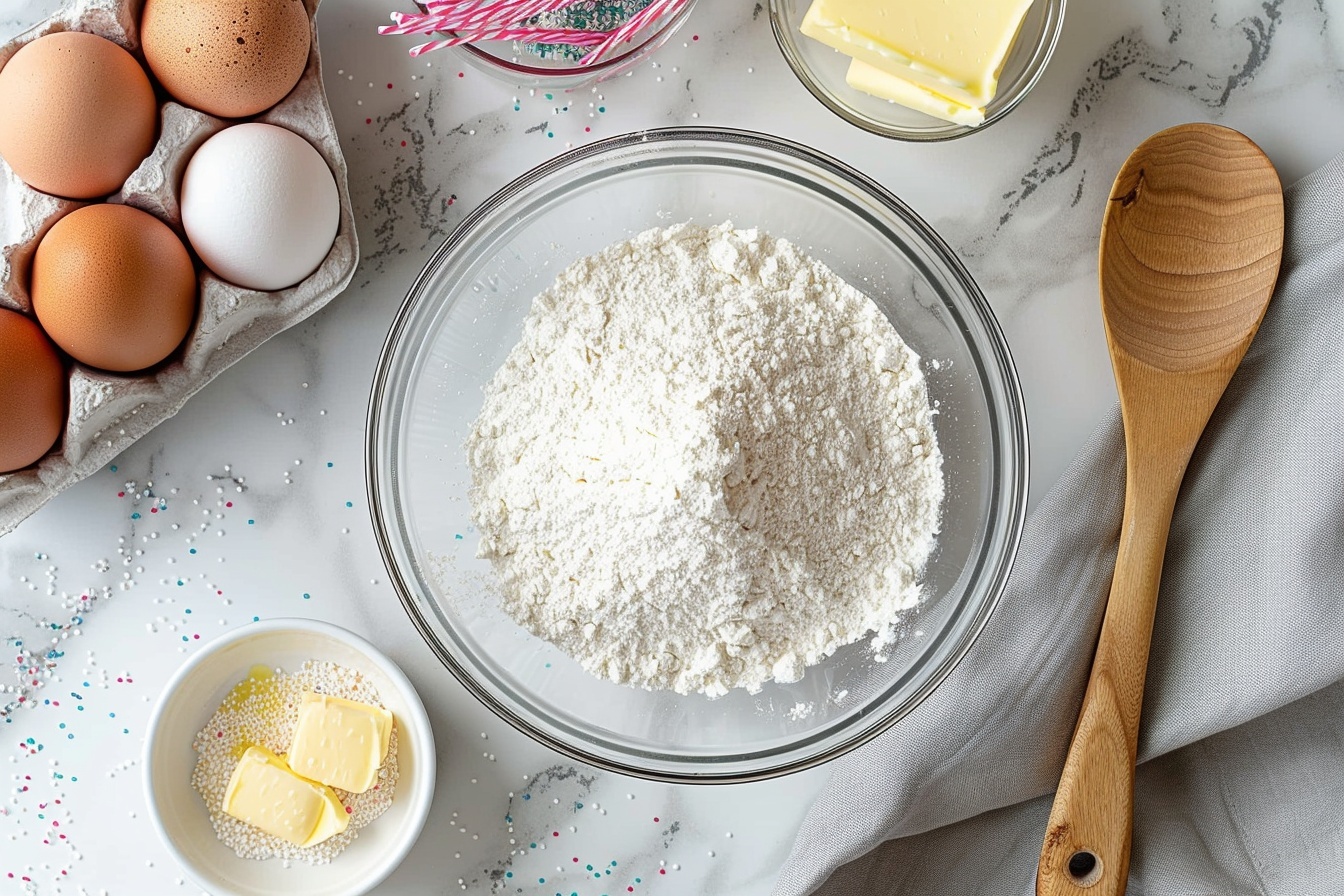
Gather a handful of simple ingredients that come together to create something truly special—each one adding its own charm to these festive cookies.
- 1 cup all purpose flour: The sturdy base that provides structure without heaviness.
- 1/2 cup cornstarch: The secret to tender, melt-away texture.
- 1/2 cup powdered sugar: Delicate sweetness that blends smoothly into the dough.
- 3/4 cup butter: The rich, creamy heart that delivers buttery flavor and lusciousness.
- Sanding sugar in pastel Easter colors: Adds a festive sparkle and light crunch, perfect for spring celebrations.
Ingredient Substitutions & Tips
- Butter: Use unsalted for precise control over saltiness or try a high-quality European-style butter for an extra creamy richness.
- Powdered sugar: If you want your cookies sweeter or less, adjust slightly but keep it powdered to maintain the fine texture.
- Sanding sugar: Substitute with finely granulated sugar colored with natural food colorings if you prefer a DIY sparkle.
- Cornstarch: Tapioca starch can work as a light alternative but cornstarch is recommended for that classic shortbread softness.
👨🍳 Pro Tips for Perfect Results
- Use cold butter: Keeps the dough tender and prevents greasiness.
- Don’t overmix: Mix only until dough forms to avoid tough cookies.
- Even spacing: Leave a few inches between dough balls for proper spreading.
- Low and slow baking: 300°F ensures gentle cooking, preserving delicate structure.
- Rest before cooling: Let cookies sit 2 minutes on sheet post-bake to finish setting.
How to Make Easter Shortbread Cookies Recipe
Step 1: Preheat the oven
Start by warming your oven to a gentle 300°F, and line two baking sheets with parchment paper. This low temperature helps the cookies bake slowly, developing that tender texture without browning too fast.
💡 Pro Tip: Use parchment paper to prevent sticking and simplify cleanup.
Step 2: Sift dry ingredients
Next, sift together the all-purpose flour, cornstarch, and powdered sugar. If a sifter isn’t handy, whisk them vigorously in a large bowl. This step ensures your dough is lump-free and light, setting the stage for those delicate shortbreads.
💡 Pro Tip: A good mix here means even baking and a smoother dough consistency.
Step 3: Blend in butter
Using a wooden spoon—or your clean hands if you’re feeling hands-on—blend in the butter just until a soft dough forms. Avoid overworking it to keep your cookies tender and crumbly.
💡 Pro Tip: Handle the dough gently; the less you work it, the fluffier your cookie will be.
Step 4: Shape dough balls
Roll the dough into one-inch balls and arrange them a few inches apart on your baking sheets. They’ll spread a little, so give them room to bloom into perfect rounds.
💡 Pro Tip: Slightly flour your hands to prevent sticking as you roll each ball.
Step 5: Flatten and decorate
Press down gently on each ball with a floured fork, creating charming fork marks and a classic shortbread look. Then, sprinkle generously with pastel sanding sugar for that festive sparkle that catches every eye at your Easter gathering.
💡 Pro Tip: Use a light hand with the pressing to keep cookies tender and maintain lightness.
Step 6: Bake to perfection
Bake your cookies in the preheated oven for 15 to 20 minutes. I personally found that pulling them out around 17 minutes, then letting them rest on the sheet for two minutes, hits that perfect balance—crispy edges with a tender center.
💡 Pro Tip: Resist the urge to open your oven too often; the steady heat keeps cookies uniform.
Common Mistakes to Avoid
Learn from these common pitfalls to make your Easter Shortbread Cookies flawless every time:
- Overworking the dough: Leads to tough, dense cookies instead of tender crumbs.
- Using melted butter: Changes texture and can cause spreading that’s too much.
- Skipping the resting time after baking: Cookies may break or crumble when moved too soon.
- Baking at too high a temperature: Can brown cookies too quickly and dry them out.
- Not spacing dough balls properly: Causes cookies to merge into one another during baking.
- Forgetting to flour the fork: Fork can stick and ruin the cookie surface pattern.
Delicious Variations to Try
Once you’ve nailed this classic Easter Shortbread Cookies Recipe, feel free to have fun tweaking it for new flavors and festive twists that keep things exciting!
Almond Almond Joy
Add 1/2 teaspoon almond extract to the dough and sprinkle chopped toasted almonds over the sanding sugar for a nutty surprise.
Lemon Zest Sparkle
Incorporate the zest of one lemon into the dough for a bright, citrusy note that complements the buttery base beautifully.
Coconut Dream
Mix in 1/4 cup shredded coconut to the dough and replace pastel sanding sugar with toasted coconut flakes for a tropical vibe.
Vanilla Bean Bliss
Split and scrape one vanilla bean into the dry ingredients before mixing for a profound vanilla aroma and taste.
Chocolate-Dipped Delight
Once cooled, dip half of each cookie into melted dark or white chocolate and let them set for an elegant touch perfect for gifting.
How to Serve Easter Shortbread Cookies Recipe
Garnishes
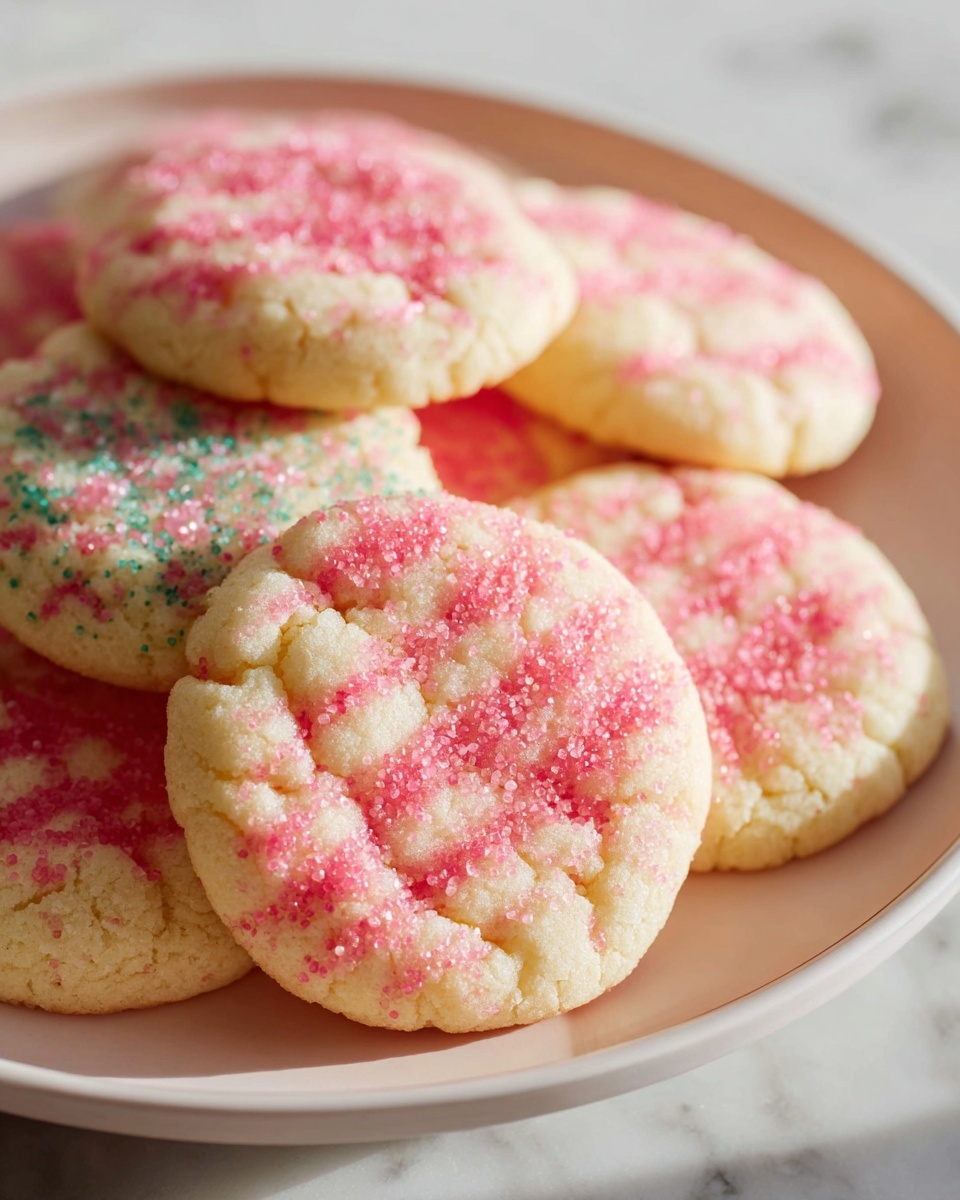
Enhance your presentation with a dusting of extra sanding sugar or edible glitter for whimsical shimmer. Fresh edible flowers also add a botanical charm to your platter.
Side Dishes
Pair these delicate cookies with a light spring tea, such as a floral chamomile or refreshing mint, for a perfectly balanced teatime treat.
Creative Ways to Present
Arrange your cookies in a pastel-themed basket lined with lace or parchment paper, or stack them elegantly on tiered plates to impress your guests. Wrapping a few in cellophane tied with a ribbon makes a sweet Easter gift!
Make Ahead and Storage
Make-Ahead Instructions
You can prepare the cookie dough up to a day in advance, wrap tightly in plastic wrap, and refrigerate. When ready, just shape and bake as directed.
Storage
Store baked cookies in an airtight container at room temperature for up to 5 days to maintain their tender texture and delightful flavor.
Freezing
The dough freezes wonderfully! Wrap it well and freeze for up to 3 months—thaw in the fridge overnight before shaping and baking.
Reheating
Warm cookies gently in a low oven (around 250°F) for 5 minutes to refresh their softness before serving; avoid microwaving to keep the texture just right.
Expert Tips for Success
Always measure flour accurately to avoid dry or dense cookies.
Choose quality butter for a richer, creamier flavor.
Use parchment paper to prevent sticking and promote even baking.
Allow cookies to cool completely to set their delicate texture.
Sift dry ingredients for a smoother dough and better crumb.
Handle dough minimally to keep cookies tender, not tough.
Sprinkle sanding sugar just before baking for that signature sparkle.
Frequently Asked Questions
Can I make these cookies gluten-free?
This recipe specifically uses all-purpose flour, but you can experiment with a gluten-free blend that includes xanthan gum for similar texture, though results may vary.
Why is cornstarch added to the dough?
Cornstarch lightens the dough and helps create that tender, melt-in-your-mouth texture classic to shortbread cookies.
How do I store these Easter Shortbread Cookies?
Keep them in an airtight container at room temperature for up to 5 days to maintain freshness and texture.
Can I use regular granulated sugar instead of powdered sugar?
Powdered sugar dissolves smoothly in the dough to create a fine texture; granulated sugar would yield a grittier bite, so powdered is best.
Are sanding sugars necessary?
While sanding sugar adds a festive sparkle and slight crunch, you can skip it or substitute with colored sugar crystals if desired.
Can I add flavors or extracts to this recipe?
Absolutely! Vanilla, almond, or lemon extracts complement the buttery profile perfectly. Just add about 1/2 teaspoon to the dough during mixing.
Is it okay to freeze the cookies after baking?
Baked cookies freeze well—wrap tightly and freeze up to 3 months. Thaw at room temperature before serving.
Final Thoughts
These Easter Shortbread Cookies Recipe is truly a treasure, combining buttery richness with delicate sweetness and a festive sparkle. Whether you’re baking for family, hosting a spring gathering, or just indulging in a sweet moment yourself, these cookies bring warmth and joy straight from the heart of the kitchen. Give this recipe a try—you’ll find it’s as rewarding to make as it is to share.
PrintEaster Shortbread Cookies Recipe

These delicate Easter Shortbread Cookies are tender, buttery, and lightly sweetened, perfect for celebrating the season with a sprinkle of pastel sanding sugar for a festive touch.
- Prep Time: 10 minutes
- Cook Time: 17 minutes
- Total Time: 29 minutes
- Yield: 24 servings 1x
- Category: Dessert
- Method: Baking
- Cuisine: American
- Diet: Vegetarian
Ingredients
Ingredients
- 1 cup all purpose flour
- 1/2 cup cornstarch
- 1/2 cup powdered sugar
- 3/4 cup butter
- Sanding sugar in pastel Easter colors
Instructions
- Preheat oven: Preheat oven to 300°F. Line two baking sheets with parchment paper.
- Mix dry ingredients: Sift together all-purpose flour, cornstarch and powdered sugar. If you don’t have a sifter, place the ingredients in a large mixing bowl and give it a really good whisk or mix with wooden spoon.
- Form dough: Using a wooden spoon, or with clean hands, blend in the butter until a soft dough forms. Do not overwork the dough. As soon as the dough forms, shape it into a ball.
- Shape cookies: Shape dough into one inch balls and place a few inches apart on baking sheet. They will spread a little as you flatten them with a fork.
- Decorate: Press down lightly on each cookie with a floured fork. Sprinkle with sanding sugar or sprinkles. I have really been enjoying Ann Clark’s sanding sugar. It is very light and has a beautiful sparkle.
- Bake and cool: Bake in 300°F oven for 15 to 20 minutes. I took my cookies out in 17 minutes and let them sit on the cookie sheet for two minutes before transferring to a cooling rack and that was perfect.
Notes
- Do not overwork the dough to keep cookies tender.
- Let cookies sit on the cookie sheet for two minutes after baking before transferring to a cooling rack.
- Using Ann Clark’s sanding sugar gives a beautiful sparkle.