
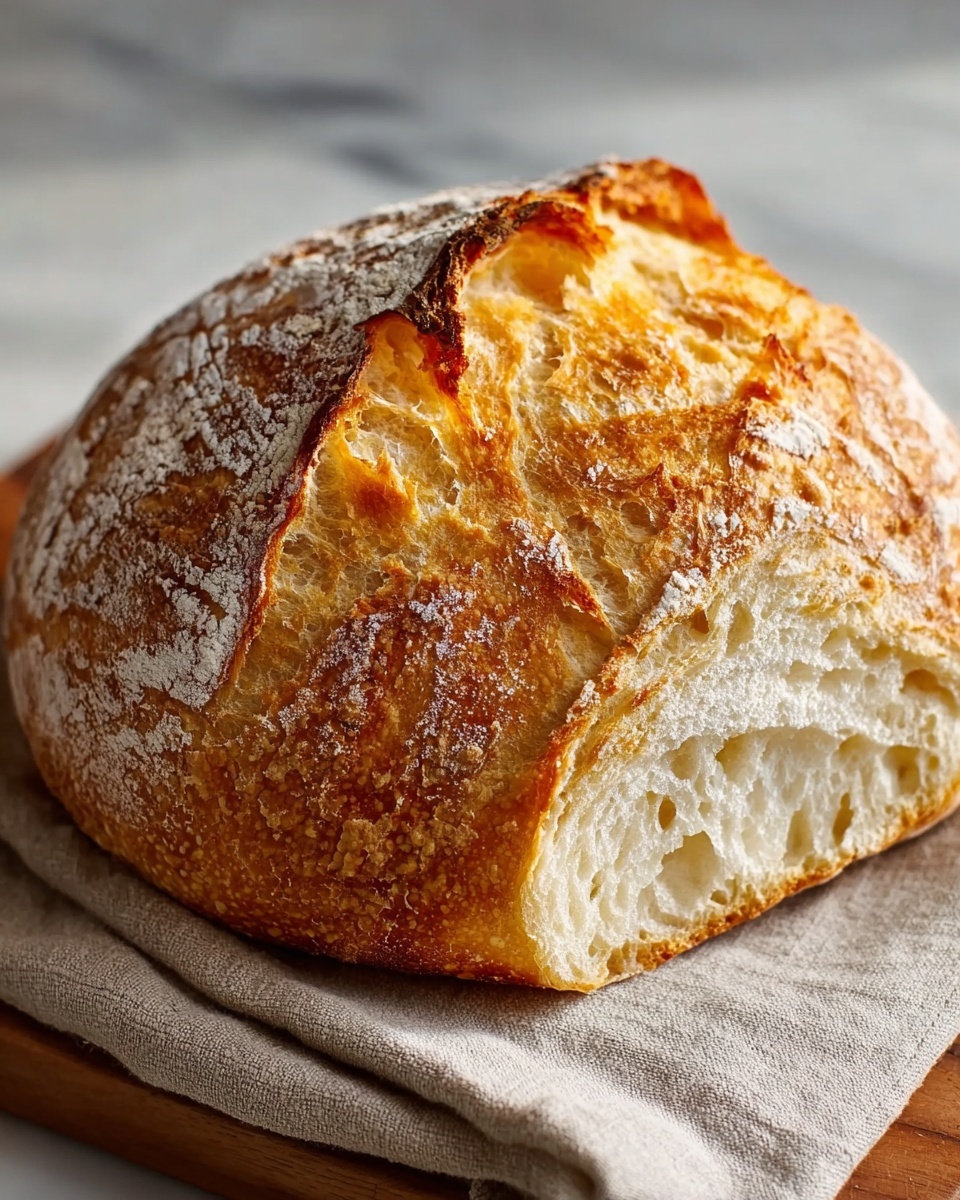
I never thought I’d find an artisan bread recipe easier than this, and the moment you pull this crusty homemade loaf from the oven, you’ll understand why. The golden-brown crust crackles beneath your fingers, releasing a warm, yeasty aroma that fills your kitchen with cozy comfort. Inside, the chewy crumb beckons you to tear a piece and savor the fresh, simple flavors that only homemade bread can offer. If you’ve been longing to bake bread from scratch without endlessly complicated steps, this recipe is your new best friend.
Why You’ll Love This Artisan Bread Recipe – Easy Homemade Crusty Loaf Recipe
- Deliciously Crusty: This loaf boasts a beautifully chewy interior and a golden-brown crust that’s crisp but not tough, capturing that perfect balance every bread lover craves.
- Simple Ingredients: Using just all-purpose or bread flour, kosher salt, yeast, and warm water, this recipe relies on pantry essentials that are always ready to go.
- Rewarding Baking Experience: The process includes kneading and rising phases that are straightforward, making it perfect for bakers wanting to hone their skills without fuss.
- Impressive Presentation: Shaping the dough into a rustic boule creates a charming, artisanal appearance that will wow guests and family alike.
- Versatile Loaf: This bread works wonderfully for sandwiches, toast, or just dipped in olive oil, making it customizable for any meal or snack.
Why This Artisan Bread Recipe – Easy Homemade Crusty Loaf Recipe Works
This recipe shines because of its simple yet impactful technique and ingredients. Starting with warm water between 105°F helps to perfectly activate yeast, ensuring your dough rises beautifully. The gradual kneading develops gluten, giving the bread its chewy texture without being dense. Baking initially covered in a Dutch oven traps steam, creating that enviable crust, followed by uncovered baking to deepen the golden color. It’s a thoughtful approach that balances texture and flavor, yielding a stunning loaf every time.
Ingredients You’ll Need
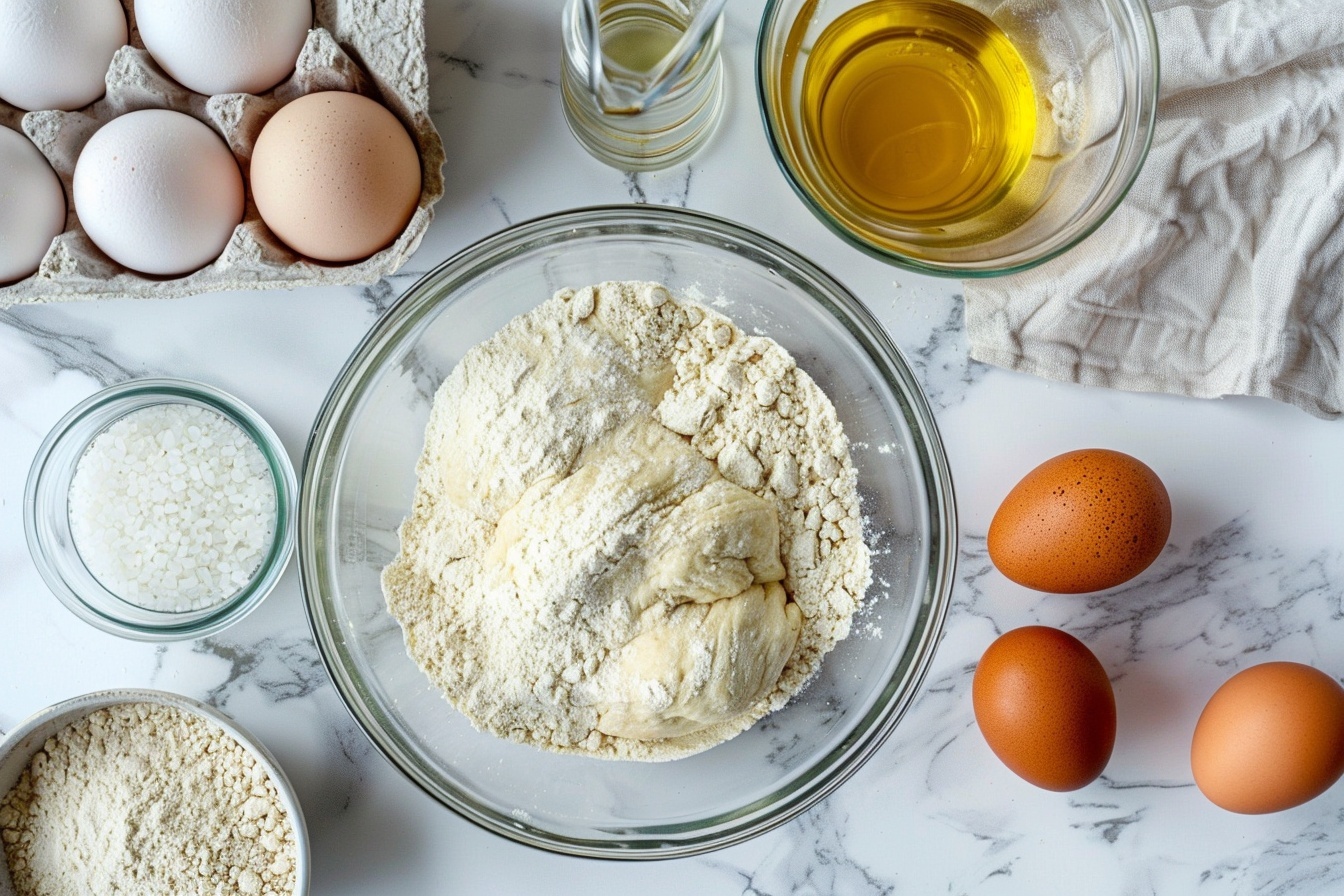
Gather these staples from your kitchen for a bread that smells as good as it tastes—flour, salt, and yeast coming together with just the right touch of warmth from water.
- 3 cups (395 grams) all-purpose flour or bread flour: The foundation of your bread, providing structure and chew.
- ½ tablespoon kosher salt: Enhances flavor and strengthens the dough.
- ¼ ounce instant or active dry yeast packet (or 2 ¼ teaspoons): The magical leavening agent that gives the bread rise and airy texture.
- 1 ½ cups warm water (105°F): Activates the yeast gently to start fermentation.
- Olive oil or cooking spray: For greasing the bowl and ensuring the dough doesn’t stick during rising.
Ingredient Substitutions & Tips
- Flour: Bread flour gives more chew, but all-purpose flour works fine if it’s what you have on hand.
- Yeast: Instant yeast can be added directly to dry ingredients; active dry yeast needs to be proofed in warm water first.
- Salt: Kosher salt is preferred for even seasoning, but fine sea salt can substitute, just use slightly less.
- Water: Ensure it is warm but not hot—around 105°F is ideal for yeast activation without killing it.
👨🍳 Pro Tips for Perfect Results
- Use a kitchen thermometer: To get the water temperature just right for yeast activation.
- Knead with patience: The dough should become smooth and elastic, not sticky and stiff.
- Allow full rises: Give the dough enough time in a warm spot to double in size; it makes all the difference.
- Preheat your oven thoroughly: A hot oven creates the crisp crust artisan bread is known for.
- Cool before slicing: Cutting too soon can lead to a gummy texture; patience pays off.
How to Make Artisan Bread Recipe – Easy Homemade Crusty Loaf Recipe
Step 1: Activate yeast
Begin by combining warm water and yeast in a large bowl. If you’re working with active dry yeast, lean into the magic: let it sit for 5 to 10 minutes until it foams and bubbles, signaling it’s alive and ready. For instant yeast, you can skip this wait and add it straight to your flour later.
💡 Pro Tip: The foamy layer shows your yeast is fresh and ready to give life to your dough.
Step 2: Combine ingredients
Next, add the flour and kosher salt to the bubbly yeast water. Stir gently until a shaggy, sticky dough forms. Resist the urge to add extra flour here; the dough should feel loose and a bit tacky at this stage.
💡 Pro Tip: Avoid overmixing—just bring it together to keep your bread tender and airy.
Step 3: Knead the dough
Flour your surface lightly and transfer the dough. Stretch, fold, and push it for 8 to 10 minutes. You’re aiming for a smooth, elastic texture that springs back when poked slowly, signaling the gluten has developed just right.
💡 Pro Tip: If the dough sticks slightly, dust your hands with flour rather than adding more to the dough.
Step 4: First rise
Place your dough in a bowl greased with olive oil or cooking spray, turning it to coat all sides. Then cover it and tuck it into a warm, draft-free nook for 1 to 1.5 hours. When it doubles in size, you’ll know it’s ready for the next step.
💡 Pro Tip: A warm, humid environment encourages the best rise, so consider covering with a damp kitchen towel.
Step 5: Shape the loaf
Gently punch down the risen dough to release trapped air. On a floured surface, shape it into a round boule or any rustic shape that feels right. Increasing surface tension by tucking edges underneath helps the loaf hold its form while baking.
💡 Pro Tip: Visualize your loaf like wrapping a present, folding those edges snugly underneath.
Step 6: Second rise and baking
Set your shaped loaf on parchment-lined baking paper. Cover loosely and proof for 30 to 45 minutes while you preheat the oven to 450°F (230°C). For that enviable crust, bake the bread covered in a preheated Dutch oven for 20 minutes, then uncover and bake for an additional 20 to 25 minutes, until the crust turns a glorious deep golden brown.
💡 Pro Tip: The covered baking traps steam, essential for forming the crispy crust you love.
Step 7: Cool the bread
Patience is your friend here. Move the loaf to a wire rack to cool completely before slicing. This step lets the crumb set perfectly, so each bite has just the right texture and moisture.
💡 Pro Tip: Warm bread is irresistible, but cutting too soon can produce a gummy inside—wait happily!
Common Mistakes to Avoid
Learn from these common pitfalls:
- Using water that’s too hot: It can kill the yeast and prevent the dough from rising.
- Adding extra flour during mixing: This can make the bread dense and tough instead of soft and airy.
- Skipping the kneading: Without kneading, the bread lacks structure and chew.
- Rushing the rising times: Not allowing the dough enough time to double will produce a heavy, compact loaf.
- Not preheating the oven sufficiently: The crust won’t develop properly without a hot oven.
- Slicing before cooling: Cuts into the bread while warm lead to a gummy texture inside.
Delicious Variations to Try
Once you’ve mastered this classic loaf, the possibilities for delicious twists are endless—all while keeping things halal and wholesome.
Herb-Infused Artisan Bread
Add fresh rosemary or thyme to the dough during mixing for a fragrant, savory bread that pairs beautifully with olive oil.
Garlic and Olive Oil Loaf
Mix minced garlic and a drizzle of olive oil into your dough for a rich, aromatic twist that’s perfect for dipping or accompanying meals.
Whole Wheat Blend Bread
Substitute half of the all-purpose flour with whole wheat flour to add nuttiness and extra fiber content, enhancing both flavor and nutrition.
Seeded Crust Bread
Before the second rise, press sunflower or flax seeds gently onto the surface for a delightful crunchy texture and nutty flavor.
Cheese-Stuffed Artisan Bread
Fold in chunks of halal-friendly cheese like mozzarella to the center of your dough before shaping for gooey, melty bites inside your crusty loaf.
How to Serve Artisan Bread Recipe – Easy Homemade Crusty Loaf Recipe
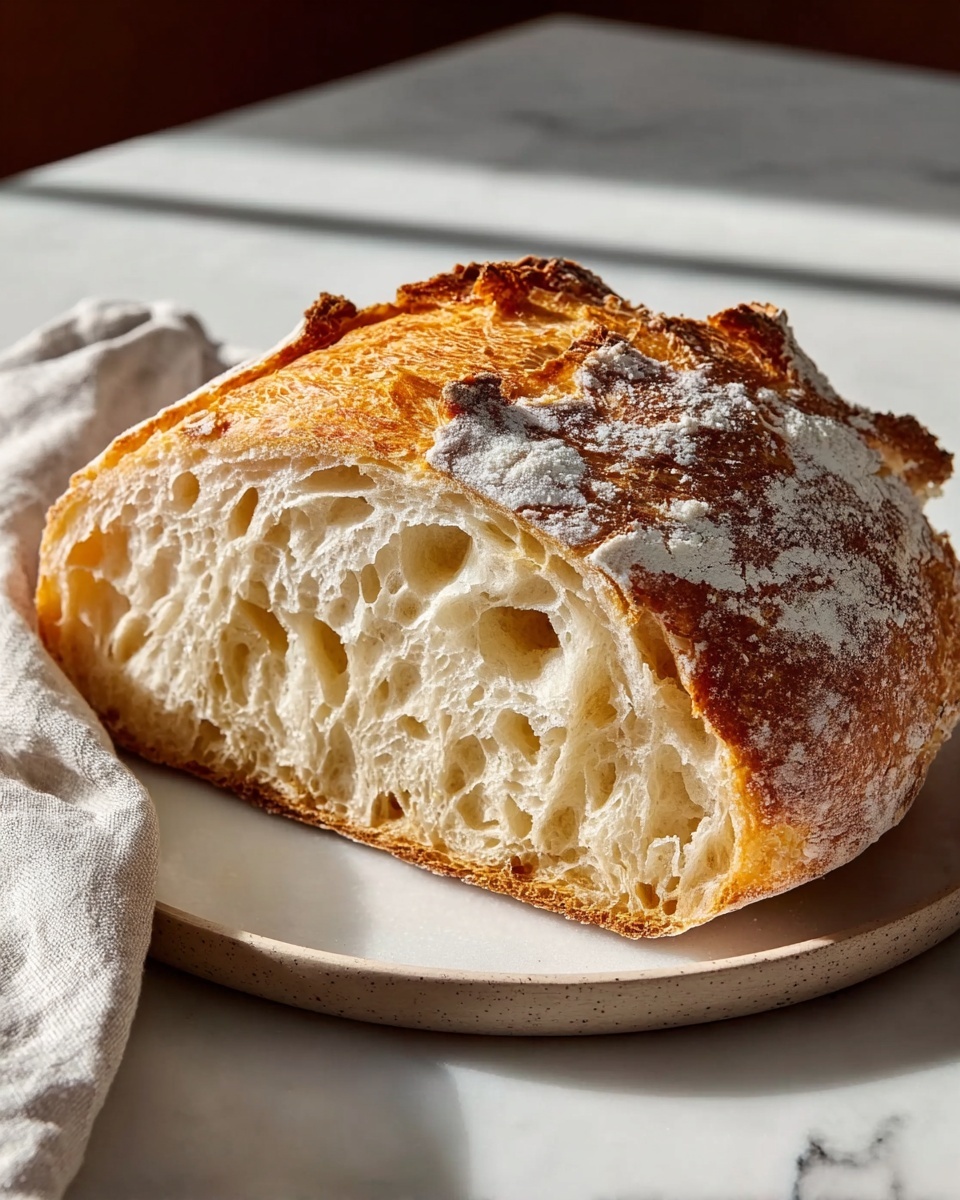
Garnishes
Sprinkle flaky sea salt on slices or brush warm crust with olive oil and fresh herbs for an extra pop of flavor and a glossy finish.
Side Dishes
Serve alongside hearty soups, fresh garden salads, or your favorite dips like hummus and baba ganoush for a satisfying meal.
Creative Ways to Present
Slice and arrange on a wooden board with cheese, olives, and fresh fruit for the perfect rustic appetizer or weekend brunch centerpiece.
Make Ahead and Storage
Make-Ahead Instructions
You can prepare the dough and complete the first rise the day before baking. Just cover it tightly and refrigerate overnight, then shape and bake the next day for fresh bread with less active prep time.
Storage
Store leftover bread at room temperature in a paper bag or loosely wrapped in a kitchen towel to maintain crust crispness. It usually stays fresh for up to 3 days.
Freezing
This loaf freezes well—wrap tightly in plastic wrap and store in a freezer bag for up to 3 months. Thaw overnight at room temperature before reheating.
Reheating
Revive day-old bread by warming it in a 350°F oven for 5 to 8 minutes, which refreshes the crust and softens the crumb beautifully.
Expert Tips for Success
- Measure flour by weight: For the most consistent dough texture, use grams rather than cups.
- Keep your hands flour-dusted but don’t overflour: This keeps dough moisture balanced for better rise.
- Use a Dutch oven or heavy covered pot: Trapping steam is key for that crisp, crackly artisan crust.
- Practice patience with fermentation: Well-risen dough tastes sweeter and develops more complex flavors.
- Slice with a serrated knife: It will cut through crust cleanly without crushing the bread.
- Experiment with shapes: A boule is classic, but baguette or oval shapes offer fun variety.
- Adjust water temperature for your climate: Warmer environments require cooler water to avoid overproofing.
Frequently Asked Questions
Can I use whole wheat flour instead of all-purpose?
Yes! You can substitute up to half the flour with whole wheat for a heartier loaf, though it may require a bit more water due to whole wheat’s absorbency.
How do I know if my yeast is still good?
If your active dry yeast foams and bubbles when mixed with warm water and a pinch of sugar within 10 minutes, it’s still active and ready to use.
Why does my bread sometimes come out dense?
Common causes are insufficient kneading or too short a rise time. Make sure your dough doubles in size and is nice and elastic before baking.
Can I skip the second rise?
The second rise (proofing) is important for developing the crumb structure and flavor. Skipping it usually results in a denser, less flavorful loaf.
What if I don’t have a Dutch oven?
You can bake the loaf on a stone or a baking sheet and place a pan of water in the oven to create steam, helping the crust develop.
Can I make smaller loaves or rolls?
Absolutely! Just divide the dough into smaller portions and adjust baking time accordingly—smaller pieces will bake quicker.
Is this bread suitable for vegetarians?
Yes, the Artisan Bread Recipe – Easy Homemade Crusty Loaf Recipe is completely vegetarian, made with simple ingredients and no animal products besides dairy if you serve it with butter.
Final Thoughts
Baking the Artisan Bread Recipe – Easy Homemade Crusty Loaf Recipe is more than just preparing food; it’s an experience that fills your home with warmth and satisfaction. Every step from mixing the dough to hearing the crunch of the golden crust brings a sense of accomplishment and delight. Share this bread with loved ones, slice it thick or thin, and enjoy the simple, honest pleasure of homemade goodness. Trust me, once you’ve baked this crusty loaf, your kitchen will never be the same.
PrintArtisan Bread Recipe – Easy Homemade Crusty Loaf Recipe
This artisan bread recipe guides you through making an easy homemade crusty loaf with a chewy interior and a golden-brown crust, perfect for beginners wanting to bake bakery-quality bread at home.
- Prep Time: 20 minutes
- Cook Time: 45 minutes
- Total Time: 2 hours 50 minutes
- Yield: 1 loaf 1x
- Category: Bread
- Method: Baking
- Cuisine: American/Artisan
- Diet: Vegetarian
Ingredients
Ingredients
- 3 cups (395 grams) all-purpose flour or bread flour
- 1/2 tablespoon kosher salt
- 1/4 ounce instant or active dry yeast packet (or 2 1/4 teaspoons)
- 1 1/2 cups warm water (105°F)
- Olive oil or cooking spray (for greasing bowl)
Instructions
- Activate yeast: In a large mixing bowl, combine warm water and yeast. If using active dry yeast, let sit for 5-10 minutes until foamy. If using instant yeast, it can be added directly to dry ingredients.
- Combine ingredients: Add flour and salt to the yeast mixture. Stir until just combined, forming a shaggy, sticky dough. Do not add more flour at this stage.
- Knead the dough: Turn dough onto a lightly floured surface. Knead for 8-10 minutes until smooth and elastic. The dough should spring back slowly when poked.
- First rise: Place dough in a lightly greased bowl, turning to coat. Cover and let rise in a warm, draft-free spot for 1 to 1.5 hours, or until doubled in size.
- Shape the loaf: Gently punch down dough and shape into a round boule or your desired rustic shape on a lightly floured surface. Create surface tension by tucking edges underneath.
- Second rise and baking: Place shaped loaf on parchment-lined baking sheet. Cover loosely and let proof for 30-45 minutes. Preheat oven to 450°F (230°C). For a crusty exterior, bake in a preheated Dutch oven, covered, for 20 minutes, then uncovered for another 20-25 minutes until deep golden brown.
- Cool the bread: Transfer baked loaf to a wire rack to cool completely before slicing. This allows the crumb structure to set properly.
Notes
- Use warm water (105°F) to activate the yeast properly.
- Do not add extra flour during initial mixing to keep dough sticky and develop gluten structure.
- Allow dough to rise in a warm, draft-free spot to ensure proper fermentation.
- Cooling the bread completely before slicing helps the crumb set and improves texture.