
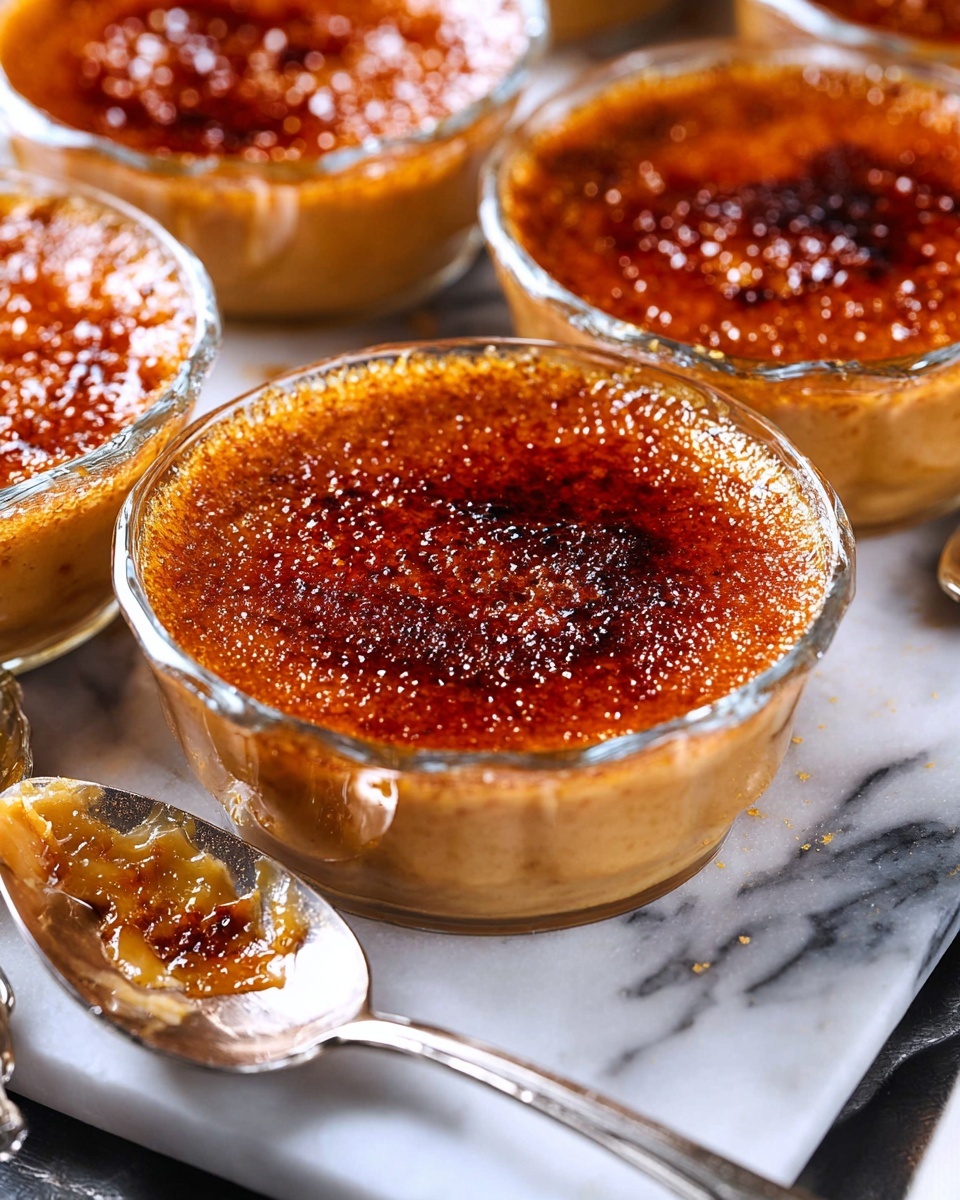
I never thought I’d find a Thai Tea Crème Brûlée recipe easier than this one, but once I did, it quickly became a cherished favorite. Imagine that enchanting scent of rich, brewing Thai tea mingling with warm vanilla as it gently simmers on the stove, promising a dessert experience that’s creamy, luxurious, and uniquely vibrant. This dessert marries the silky smooth custard of classic French crème brûlée with the exotic, aromatic flair of Thai tea, resulting in a caramelized crust that crackles deliciously with every spoonful.
Why You’ll Love This Thai Tea Crème Brûlée Recipe
- Delightful Flavor Fusion: This recipe beautifully blends bold Thai tea with creamy custard, creating a taste that’s both familiar and exciting. Perfect for anyone craving something special but comforting.
- Simple, Quality Ingredients: You only need staples like heavy cream, whole milk, egg yolks, sugar, and that fragrant Thai tea mix along with vanilla paste—easy to find but full of character.
- Impress Your Guests: With a smooth, custardy base and a golden caramelized sugar crust, it looks as spectacular as it tastes—ideal for special occasions or a luxurious treat.
- Flexible Chilling Time: After baking, just let the custard cool completely at room temperature and refrigerate it for at least 2 hours or up to 3 days, making it easy to prepare ahead.
- Customizable Sweetness and Texture: Adjust the sugar caramelization on top to your liking, whether you prefer a gentle crunch or a deep amber crackly finish.
Why This Thai Tea Crème Brûlée Recipe Works
The secret to this Thai Tea Crème Brûlée recipe’s success lies in its meticulous balance of technique and ingredient harmony. First, steeping the Thai tea mix in the heated heavy cream and whole milk gently infuses a rich, aromatic essence without overwhelming the custard’s delicate texture. Next, the gradual mixing of the hot cream into the egg yolk mixture while whisking persistently prevents curdling, ensuring a silky smooth custard. Then, baking in a water bath at a low temperature brings the custard to that iconic creamy set with just a slight wobble. This method, combined with straining the mixture twice, guarantees a luscious, flawless custard base crowned with perfectly caramelized sugar.
Ingredients You’ll Need
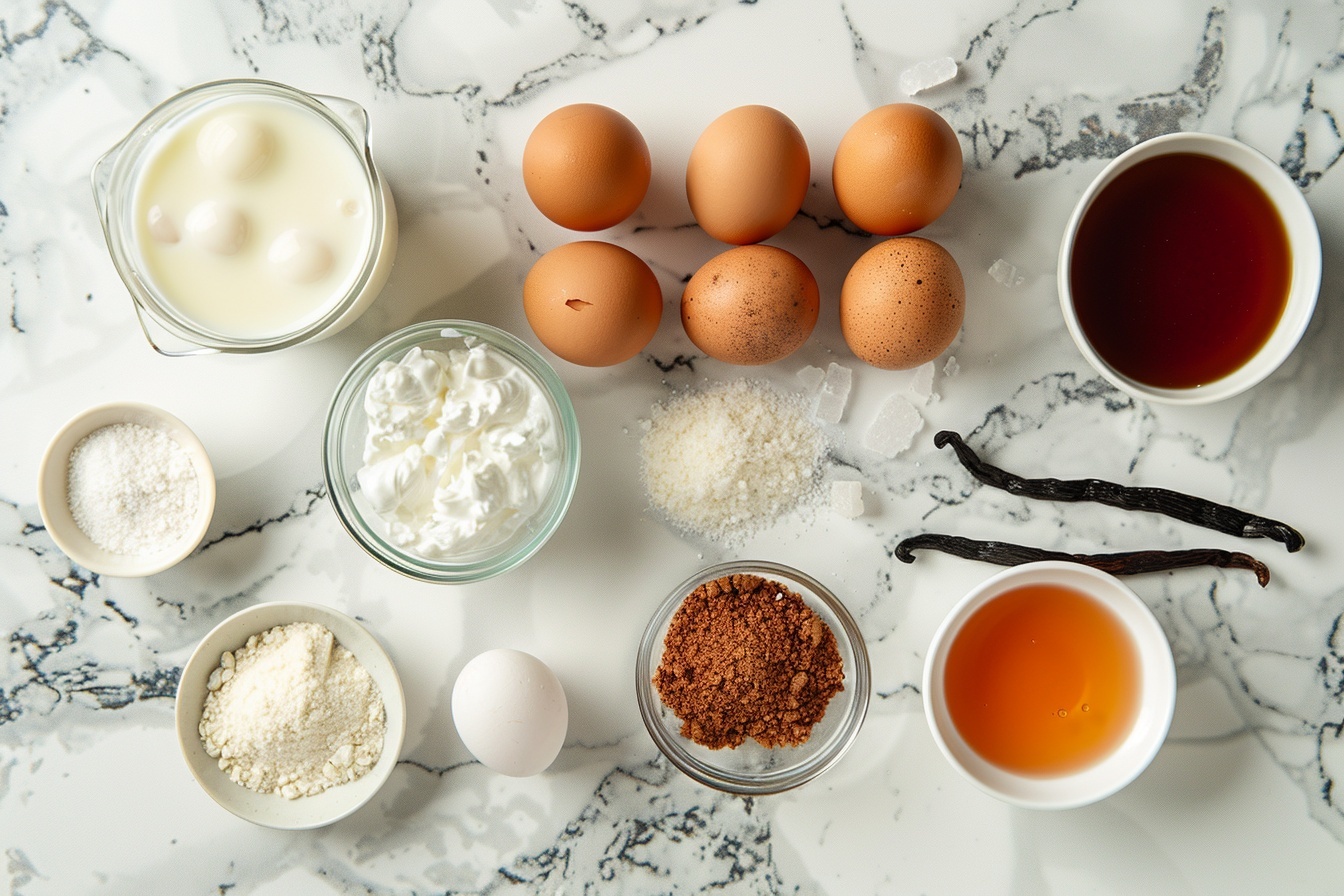
For this Thai Tea Crème Brûlée recipe, get ready to gather some luscious ingredients that bring both creaminess and that signature Thai tea flavor to your table.
- 1 1/4 cups heavy cream: The creamy richness forms the decadent base of the custard.
- 3/4 cup whole milk: Balances the cream with a light, smooth texture.
- 1/4 cup Thai tea mix: This gives the recipe its bold, aromatic essence and stunning amber hue.
- 5 egg yolks: Essential for that custardy, silky body.
- 1/4 cup granulated/castor sugar: Sweetens the custard just right.
- 1 tsp vanilla paste/extract: Adds warmth and depth to the flavor profile.
- 2-3 tbsp granulated/castor sugar: For caramelizing the tops to a crisp, golden finish.
Ingredient Substitutions & Tips
- Heavy cream: For a lighter alternative, use half-and-half, but expect less richness.
- Whole milk: You can swap with any dairy milk, but steer clear of non-dairy milks to maintain custard texture.
- Thai tea mix: If unavailable, try a blend of strong black tea leaves with star anise and crushed tamarind for a similar taste.
- Vanilla paste/extract: Pure vanilla extract works great if you don’t have paste; just keep it to 1 teaspoon.
👨🍳 Pro Tips for Perfect Results
- Don’t Boil the Cream: Heat just to a simmer to avoid curdling; gentle warmth brings out the best flavor.
- Steep Long Enough: The 15-minute steep deepens the tea’s fragrant notes—don’t rush this step.
- Strain Twice: Use a fine mesh sieve to remove all tea particles and foam for an ultra-smooth custard.
- Water Bath Care: Pour boiling water gently into the baking pan to prevent splashing into the ramekins, which can ruin the custard.
- Caramelize with Confidence: Use a blow torch or broiler for an even, crispy top that contrasts beautifully with the creamy base.
How to Make Thai Tea Crème Brûlée Recipe
Step 1: Steep the Tea
In a saucepan, combine the heavy cream and whole milk, heating over low heat just until it begins to simmer without boiling. Removing the pot from heat, stir in the Thai tea mix and let it steep for a full 15 minutes so those fragrant spices and bold black tea notes fully infuse the cream.
💡 Pro Tip: Keep the heat low and watch carefully to avoid boil-over—this is what keeps the custard luxuriously smooth.
Step 2: Preheat Oven
While the tea is steeping, set your oven to 300℉/150℃ to gently bake the custard later, ensuring it sets perfectly without cracking or curdling.
💡 Pro Tip: Preheating early lets you slide the ramekins in at just the right temperature, for even baking.
Step 3: Prepare Custard Base
In a medium bowl, whisk together the egg yolks, sugar, and vanilla paste until the mixture is smooth and creamy. This step lays the foundation for the rich custard texture and balanced sweetness.
💡 Pro Tip: Use fresh egg yolks for a bright yellow custard and cleaner flavor.
Step 4: Heat Infused Cream
Strain the tea-infused cream through a fine-mesh sieve, discarding the tea leaves. Then, warm the strained cream again on low heat just until it begins to simmer—don’t let it boil. Remove from heat promptly to preserve that delicate texture.
💡 Pro Tip: Keeping the cream hot but not boiling helps temper the egg yolks gently in the next step.
Step 5: Combine Mixtures
Slowly drizzle the hot cream mixture into the egg yolk mixture, whisking continuously to prevent any curdling. This gradual mixing step is essential to achieving that classic custard silkiness.
💡 Pro Tip: Pour the cream in thin streams—patience here pays off with smooth custard.
Step 6: Strain Mixture
Strain the combined custard mixture once more through a fine sieve into a large measuring cup with a pouring lip. This ensures any lingering lumps or foam are removed for an ultra-smooth texture.
💡 Pro Tip: This extra filtration step elevates your custard to crème brûlée perfection.
Step 7: Prepare Ramekins
Divide the custard evenly into four 3-inch ramekins, placing them on a baking pan. Use a spoon to skim off any foam or pop bubbles that float on top, guaranteeing a flawless finish. Carefully pour boiling water into the pan halfway up the ramekins to create a gentle water bath for even cooking.
💡 Pro Tip: Avoid getting water inside the custard—this keeps the texture silky and intact.
Step 8: Bake Custard
Bake the custards in the oven for 35 to 40 minutes until they are mostly set but still have a slight wobble in the center. Depending on the depth of your ramekins, this timing might shift a bit—trust your eyes and gentle touch here.
💡 Pro Tip: The gentle wobble means the custard will finish setting as it cools, ensuring creamy goodness.
Step 9: Cool and Chill
After baking, allow the ramekins to cool at room temperature before transferring them to the refrigerator. Chill for at least 2 hours, or up to 3 days if you prefer to make this ahead of time. This resting period solidifies the custard’s texture and deepens the flavors.
💡 Pro Tip: Don’t skip chilling—it’s key for that rich, melt-in-your-mouth feel.
Step 10: Caramelize Sugar
Right before serving, sprinkle 1 1/2 to 2 teaspoons of sugar evenly over each custard. Tap the ramekins gently to distribute the sugar uniformly. Using a blow torch, move the flame in circles until the sugar bubbles and turns a beautiful deep amber color, forming a crisp caramelized crust. Alternatively, you can place them under a broiler to achieve the same result.
💡 Pro Tip: Caramelizing just before serving keeps the crust perfectly crisp and contrasty.
Common Mistakes to Avoid
Learn from these common pitfalls:
- Boiling the Cream: This causes the custard to curdle and develop an unpleasant texture.
- Skipping the Tea Steep Time: Insufficient steeping results in a bland flavor lacking the signature Thai tea essence.
- Rushing the Water Bath: Pouring water too quickly or splashing can cause water to seep into the ramekins, ruining the custard’s texture.
- Overbaking the Custard: Baking until fully firm removes the delicate wobble and leads to a rubbery custard.
- Improper Sugar Caramelization: Uneven sugar distribution or overheating can cause burnt spots or a grainy crust instead of a smooth crackly top.
- Not Chilling Long Enough: Serving the custard too warm makes it runny and less satisfying.
Delicious Variations to Try
Once you’ve mastered this Thai Tea Crème Brûlée recipe, feel free to explore these tempting twists to keep the dessert exciting and fresh!
Coconut Thai Tea Crème Brûlée
Swap half the heavy cream with creamy coconut milk for tropical richness that complements the tea’s spice wonderfully. The coconut adds a lush depth and a slight sweetness for a different but equally luscious treat.
Spiced Cardamom Infusion
Add a pinch of ground cardamom to the tea mix during steeping to give the custard a fragrant, warm spice note that elevates the Asian flavor profile even further.
Matcha Thai Tea Crème Brûlée
Mix in a teaspoon of matcha powder during the cream infusion stage for a stunning green-hued dessert that balances the boldness of Thai tea with earthy green tea undertones.
Orange Blossom Crème Brûlée
Stir in a few drops of orange blossom water along with the vanilla to brighten the custard with delicate floral notes that pair elegantly with the caramelized sugar topping.
Chocolate Drizzle Finish
After caramelizing the sugar crust, drizzle dark chocolate sauce over the top or inside the custard for those who fancy a contrast of bitter-sweet chocolate alongside the creamy tea custard.
How to Serve Thai Tea Crème Brûlée Recipe
Garnishes
Elevate the presentation with a sprinkle of toasted coconut flakes, a few fresh mint leaves, or edible flowers like violets or orchids that match the Thai aesthetic and add freshness.
Side Dishes
Pair this indulgent dessert with fresh tropical fruits such as mango slices, ripe lychee, or even a small scoop of coconut sorbet for a refreshing counterpoint.
Creative Ways to Present
Serve the crème brûlée in small, elegant ramekins placed on decorative plates with a dusting of powdered sugar or artistic swirls of passion fruit coulis. For dinner parties, lighting the caramelization with a blow torch tableside creates a dramatic and engaging moment sure to delight guests.
Make Ahead and Storage
Make-Ahead Instructions
This Thai Tea Crème Brûlée recipe is a dream for make-ahead entertaining. Bake the custards, then cool them completely and refrigerate covered for up to 3 days. Wait to caramelize the sugar topping until just before serving for the freshest texture.
Storage
Store any leftovers in the fridge, covered tightly with plastic wrap or airtight lids, and consume within 3 days for best flavor and texture.
Freezing
This custard dessert is not recommended for freezing as the delicate texture can become grainy or watery upon thawing.
Reheating
If you prefer the custard slightly warm, gently warm it in a water bath or low oven for a few minutes. Avoid microwave heating as it can cause uneven texture changes.
Expert Tips for Success
- Use Fresh Eggs: Their quality directly impacts the custard’s smoothness and richness.
- Maintain Gentle Heat: Avoid boiling cream or overheating the mixture to prevent curdling.
- Patience with Steeping: Letting the Thai tea infuse fully is key for the authentic flavor punch.
- Strain Twice: For the silkiest custard, always strain the mixtures carefully to remove solids and bubbles.
- Slow Caramelizing: Move the torch slowly and evenly for perfect color and crackle.
- Use Quality Thai Tea Mix: The better the tea, the richer the flavor.
- Water Bath is Essential: It ensures even cooking and prevents cracks or curdling.
Frequently Asked Questions
What makes this dessert different from traditional crème brûlée?
This version uses Thai tea mix to infuse the cream, imparting a bold, aromatic tea flavor and a beautiful amber color, creating a new dimension to the classic French custard.
Can I prepare the custard without a blow torch?
Yes! You can achieve the caramelized sugar crust by placing the custards under a broiler for a few minutes, watching closely to prevent burning.
How long should I steep the Thai tea?
Steeping the tea in the cream mixture for 15 minutes is essential to extract maximum flavor without bitterness.
Is it okay to use vanilla extract instead of vanilla paste?
Absolutely—vanilla extract works well and contributes the same warm notes; just use 1 teaspoon as specified.
Can I make this recipe vegan or dairy-free?
This recipe relies on dairy and eggs for its signature texture and flavor and is not designed for vegan substitutions without significant changes.
What is the best way to store leftover crème brûlée?
Keep leftovers refrigerated in airtight containers and consume within 3 days for the freshest taste and texture.
Why is the water bath necessary?
The water bath gently and evenly cooks the custard, preventing it from curdling or cracking and giving you that smooth, creamy consistency.
Final Thoughts
Making this Thai Tea Crème Brûlée recipe is like inviting a little piece of Thailand to your dessert table with a luxurious French twist. Each spoonful offers a silky texture with the warm, fragrant notes of Thai tea and vanilla, crowned by a crackly caramelized sugar top that’s utterly irresistible. Whether it’s for a special occasion or a self-indulgent treat, this recipe will surely become a beloved favorite. Take your time, enjoy the process, and treat yourself to this exquisite melding of cultures and flavors—you deserve it!
PrintThai Tea Crème Brûlée Recipe
This Thai Tea Creme Brulee is a luxurious twist on the classic French dessert, infused with fragrant Thai tea for a unique and rich flavor profile. Creamy custard topped with a crisp caramelized sugar crust makes it an irresistible treat.
- Prep Time: 20 minutes
- Cook Time: 40 minutes
- Total Time: 5 hours 15 minutes
- Yield: 4 servings 1x
- Category: Dessert
- Method: Baking
- Cuisine: Thai fusion
- Diet: Gluten Free
Ingredients
Ingredients
- 1 1/4 cups heavy cream
- 3/4 cup whole milk
- 1/4 cup Thai tea mix
- 5 egg yolks
- 1/4 cup granulated/castor sugar
- 1 tsp vanilla paste/extract
- 2–3 tbsp granulated/castor sugar
Instructions
- Infuse the cream: In a saucepan, add heavy cream and milk. Cook on low heat just until the mixture begins to simmer. Do not boil. Turn off the heat and add the Thai tea mix. Steep the tea for 15 minutes.
- Preheat oven: Preheat oven to 300℉/150℃.
- Prepare egg mixture: While waiting for tea to infuse, add egg yolks, sugar, and vanilla paste into a medium bowl. Whisk until combined. Set aside.
- Strain and reheat cream: Strain the infused cream using a fine-mesh sieve. Transfer the cream to a saucepan and heat on low heat again until it begins to simmer. Do not boil. Remove from the heat.
- Combine mixtures: While whisking constantly, gradually drizzle the hot cream mixture into the yolk mixture slowly to avoid curdling.
- Strain custard: Strain the mixture through a fine-mesh sieve into a large measuring cup with a pouring lip.
- Prepare ramekins: Divide the mixture into 4 3-inch/7.5 cm diameter ramekins and place them on a baking pan. Skim off the foam and pop any air bubbles. Pour the boiling water into the baking pan, being careful not to let any water splash into the ramekins.
- Bake custard: Bake for 35-40 minutes or until the custard is set but there is still a slight wobble. The depth of the ramekins will determine how long it takes for the custards to bake. Remove ramekins from the water.
- Cool and chill: Leave to cool completely at room temperature, then refrigerate for at least 2 hours or up to 3 days.
- Caramelize sugar: When ready to serve, put 1 1/2 to 2 tsp sugar on each custard. Tap the side of the ramekins to spread the sugar evenly. Torch the top using a blow torch, moving in a circular pattern until the whole surface is caramelized to a deep amber color. You can also put it in a broiler to achieve the same result.
Notes
- Be careful not to boil the cream to avoid curdling.
- Steeping the Thai tea for 15 minutes enhances the flavor.
- Pouring boiling water into the baking pan creates a water bath to gently bake the custard.
- Chill for at least 2 hours to allow the custard to set fully before caramelizing.
- The top sugar layer can be caramelized using a blow torch or broiler.