
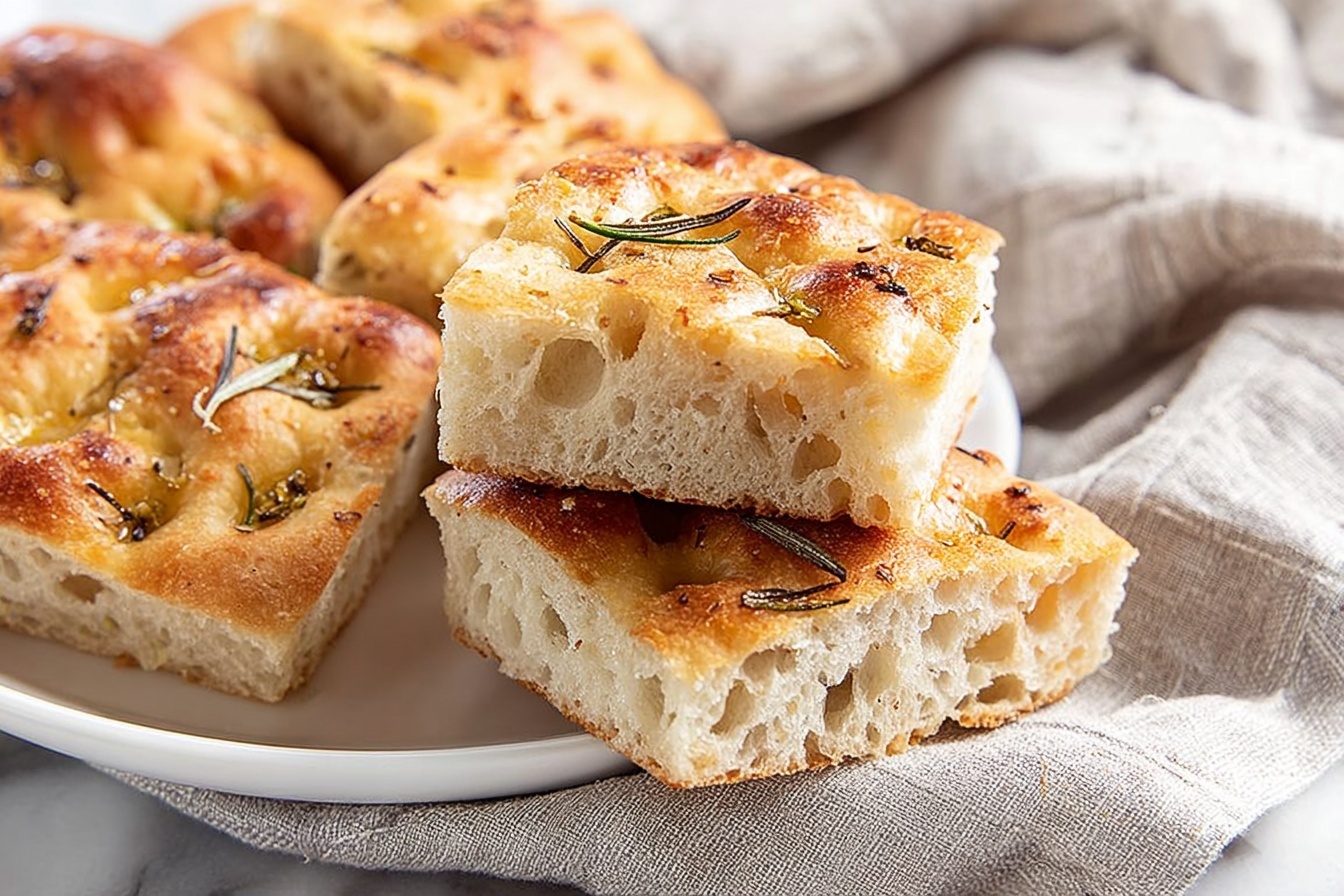
The smell of roasted garlic and fresh rosemary greeting you as you pull this sourdough focaccia from the oven is simply irresistible. This bread is not just a treat for your taste buds—it’s an experience, a little moment of magic to brighten any table. Each bite delivers a delightful blend of light, airy crumb and crispy golden crust, infused with the deep, mellow sweetness of roasted garlic and the fragrant kiss of rosemary. Prepare to make this classic Italian delight your new favorite for sharing with friends and family.
Why You’ll Love This Sourdough Focaccia With Roasted Garlic & Rosemary Recipe
- Rich, Complex Flavor: The star combination of roasted garlic and fresh rosemary infuses the bread with vibrant, savory notes that elevate every bite.
- Simple, Honest Ingredients: Using just bread flour, a lively sourdough starter, olive oil, salt, and aromatics, this recipe celebrates pure, natural flavors from your pantry staples.
- Artisanal Texture: Thanks to the generous rising and gentle coil-folding technique, you get a wonderfully light, bubbly crumb beneath a crisp, golden crust.
- Impressively Beautiful Presentation: The dimples, fragrant rosemary sprigs, and a glistening oil sheen make this focaccia as stunning to look at as it is delicious.
- Flexible Preparation: Whether you prefer a slow, flavorful overnight cold ferment or a quicker room-temperature rise, you control the timing to fit your schedule.
Why This Sourdough Focaccia With Roasted Garlic & Rosemary Recipe Works
This recipe hinges on time-tested techniques and thoughtfully selected ingredients that guarantee success. At its heart, the bubbly and active sourdough starter partners with a careful series of coil folds to develop gluten strength without the need for harsh kneading. This gentle folding builds structure and traps air, resulting in an irresistibly airy bread. The overnight cold fermentation in olive oil not only enhances flavor depth but also tenderizes the dough, creating that signature soft interior and crisply textured crust. Plus, roasting multiple garlic bulbs until caramelized unlocks a mellow, rich garlic flavor that penetrates the dough, while fresh rosemary brightens the palate, making this focaccia unforgettable.
Ingredients You’ll Need
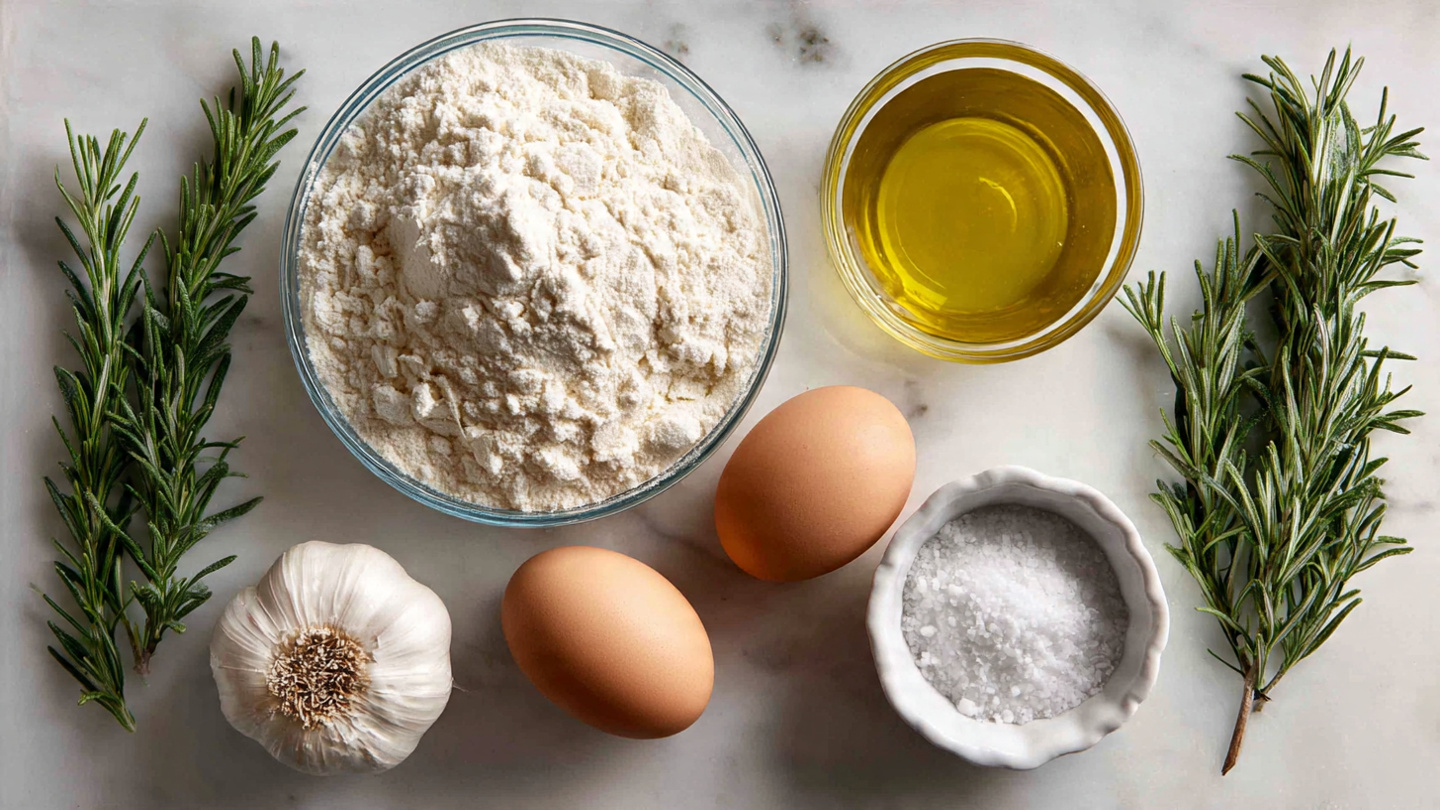
Gather these flavor-packed essentials that work harmoniously to create this artisanal bread. Each ingredient plays a starring role—bringing aroma, texture, and depth to every slice.
- 70 Grams Olive Oil, Divided: Used both in the dough and to coat the pan for that irresistible golden crust and moist crumb.
- 5-10 Grams Flaky Sea Salt: Sprinkled on top for a satisfying crunch and burst of savory flavor.
- 1 Bulb Roasted Garlic: A luscious addition, broken into pieces to dot the top with irresistible caramelized garlic.
- 1 Sprig Fresh Rosemary, Finely Chopped: Adds a fresh, fragrant herbal note throughout the bread.
- 100 Grams Ripe, Bubbly Sourdough Starter, About 1/2 Cup: The natural leavening powerhouse delivering flavor and airiness.
- 400 Grams Room Temperature Water, About 1 2/3 Cup: Hydrates the dough for that tender, open crumb.
- 500 Grams Bread Flour, About 3 2/3 Cups: Provides the gluten structure essential for a chewy yet soft focaccia.
- 13 Grams Salt, About 2 Teaspoons: Enhances flavor and strengthens the dough’s gluten network.
- 2 Roasted Garlic Bulbs, Cooled: Incorporated during bench folds to permeate the dough with sweet garlic goodness.
- 1-2 Sprigs Fresh Rosemary, Finely Chopped: Mixed into the dough to layer in fresh herbal tones.
Ingredient Substitutions & Tips
- Olive Oil: Extra virgin olive oil offers the best flavor, but light olive oil or avocado oil can work if needed.
- Bread Flour: All-purpose flour can be substituted but may yield slightly less chewy texture and rise.
- Fresh Rosemary: If fresh rosemary isn’t available, dried rosemary can be used at about half the amount, though fresh is preferred for aroma.
- Sourdough Starter: If you don’t have a starter, a commercial yeast focaccia might be easier, but the unique sourdough tang sets this recipe apart.
👨🍳 Pro Tips for Perfect Results
- Use Ripe Starter: Ensure your sourdough starter is bubbly and active for the best rise and flavor.
- Coil Folding: Wet your hands before folding to prevent sticking and preserve dough elasticity.
- Don’t Rush the Fermentation: The cold ferment overnight deepens flavor and lightens texture.
- Be Gentle with Stretching: When shaping, handle the dough softly to keep those precious air bubbles intact.
- Watch Dough Temperature: Keep water at room temperature for a happy, active dough fermentation.
How to Make Sourdough Focaccia With Roasted Garlic & Rosemary Recipe
Step 1: Prepare Roasted Garlic
The day before, or a few hours ahead, get the roasted garlic ready—this aromatic base sets the tone for the entire bread. Roasting mellows the garlic’s raw bite into a sweet, silky treasure.
💡 Pro Tip: Use foil to seal the garlic bulbs tightly, trapping steam for perfect caramelization.
Step 2: Preheat Oven
Set your oven to a cozy 400ºF to warm up while you prep the garlic. A hot oven is key for roasting bulbs to a soft, spreadable delight.
💡 Pro Tip: Preheating early ensures an even roast—don’t skip this step!
Step 3: Prepare Garlic Bulbs
Trim the tops of three garlic bulbs, exposing the cloves without peeling too much skin, setting up your bulbs for that luscious roast.
💡 Pro Tip: Slice conservatively—you want enough exposed garlic to soften but leave the structure intact.
Step 4: Wrap Garlic Bulbs
Wrap those bulbs snugly in foil to lock in moisture during roasting—this magic creates creamy cloves that melt into the dough later.
💡 Pro Tip: Place wrapped bulbs in a baking dish to catch any drips.
Step 5: Drizzle and Season
Drizzle olive oil over your wrapped garlic and sprinkle a pinch of salt, coaxing out even richer flavor during that slow bake.
💡 Pro Tip: Don’t skimp on the oil—it’s essential for luscious, spreadable cloves.
Step 6: Bake Garlic
Bake those bulbs for 30-40 minutes until cloves are caramelized, tender, and oh-so-fragrant, ready to infuse your focaccia with savory sweetness.
💡 Pro Tip: The smell is your guide—once aromatic and soft, you’re ready to pull them out.
Step 7: Cool and Squeeze Garlic Cloves
Let the garlic cool fully, then gently squeeze out the cloves into a container—this silky treasure mix will embellish your bread brilliantly.
💡 Pro Tip: Cool bulbs completely to avoid burning fingers during squeezing.
Step 8: Mix Dough
In a large bowl, stir together your bubbly 100 grams of starter, room temperature 400 grams of water, 10 grams salt, and 500 grams bread flour into a sticky, promising dough.
💡 Pro Tip: Use a dough whisk or spoon for best mixing without overworking.
Step 9: Rest Dough
Cover the bowl and let this young dough rest for 30 minutes—this quick pause allows flour to hydrate and gluten to start awakening.
💡 Pro Tip: Cover tightly to keep the dough from drying out.
Step 10: Perform Coil Folds
Wet your hands and delicately perform 4-6 coil folds: lift the dough gently from underneath, stretch it slightly without tearing, and fold it back over itself to build strength and structure.
💡 Pro Tip: This method keeps bubbles intact while developing elasticity.
Step 11: Rest Dough Again
Give it another 30 minutes of covered rest so the dough can relax and rise slowly.
💡 Pro Tip: Resist the urge to rush this step; patience pays off in texture.
Step 12: Add Garlic and Rosemary
Spread the two whole roasted garlic bulbs onto the dough, sprinkle the finely chopped rosemary, lightly wet your hands, and fold the dough 4-6 times again to weave these savory flavors throughout.
💡 Pro Tip: This folding ensures even distribution of those delightful aromatics.
Step 13: Rest Dough Again
Cover and rest the dough for another 30 minutes as it continues to develop flavor and strength.
💡 Pro Tip: Keep the dough cozy and away from drafts for best rise.
Step 14: Repeat Coil Fold
Wet your hands once more and repeat the coil fold 4-6 times, encouraging the dough’s elasticity and extending those flavorful garlic and rosemary ribbons.
💡 Pro Tip: Each fold should feel smoother as gluten teams up for perfect structure.
Step 15: Bulk Rest
Cover and allow the dough to rest for between 1.5 to 2 hours until you spot bubbly edges, a gentle jiggle, and a 30-40% rise—signs your dough is lively and ready.
💡 Pro Tip: Ambient temperature matters—if it’s cool, be patient or find a warmer spot.
Step 16: Prepare Pan with Oil
Drizzle 40 grams olive oil into a 9 by 13-inch metal pan, swirling to coat the bottom completely, setting the stage for a golden crust.
💡 Pro Tip: A little extra oil never hurts; it helps prevent sticking and crisps the base beautifully.
Step 17: Shape Dough in Pan
Turn the dough gently into the oiled pan and slowly stretch it to fill every edge, using a soft touch to pull the underside upward and shape without tearing.
💡 Pro Tip: Don’t force it—if it resists, let the dough rest a minute and try again for an easy stretch.
Step 18: Cold Ferment
Cover with plastic wrap and pop the pan into your refrigerator for an overnight cold ferment, allowing flavors to deepen and crumb to perfect its airy texture.
💡 Pro Tip: If short on time, skip cold fermentation and proof at room temperature until bubbly and doubled (3-4 hours).
Step 19: Proof Dough at Room Temperature
Remove from the fridge and let your dough rise on the counter for 3-5 hours until it doubles in size, bubbles burst at the edges, and the dough feels light and jiggly—this signals a focaccia that will bake to airy perfection.
💡 Pro Tip: Warmer temperatures speed proofing, but don’t rush the process; good things take time.
Step 20: Preheat Oven for Baking
Once your dough is puffed and bubbly, crank the oven to a hot 450ºF to get ready for that crispy, golden bake.
💡 Pro Tip: A fully preheated oven is key to that signature crust.
Step 21: Oil Dough Top
Drizzle about 2-3 tablespoons of olive oil evenly over the dough’s surface, gently spreading it by hand to coat with a glossy sheen.
💡 Pro Tip: Don’t be shy with oil—it aids browning and flavor.
Step 22: Add Roasted Garlic
Break up the reserved roasted garlic bulb into smaller cloves and scatter these sweet morsels evenly on top, promising rich pockets of flavor in every bite.
💡 Pro Tip: Use your fingers to distribute garlic evenly for taste balance.
Step 23: Add Rosemary and Dimple Dough
Sprinkle fresh chopped rosemary liberally, then use your fingers to dimple every inch of dough, working from top to bottom to create those characteristic pockets and bubbly texture.
💡 Pro Tip: Dimpling helps oil soak in and keeps the bread delightfully airy.
Step 24: Add Salt and Bake
Sprinkle flaky sea salt on top if you love a burst of crunch, then slide the focaccia into the oven for 25-30 minutes until the top is crisp, golden, and bubbling with promise.
💡 Pro Tip: Keep an eye near the end to avoid over-browning, but a deep golden crust is the goal.
Step 25: Cool and Serve
Let the focaccia cool in the pan for 5-10 minutes before gently transferring to a wire rack to reach room temperature. This pause lets the crumb set perfectly before slicing.
💡 Pro Tip: Serve at room temperature to enjoy the fullest flavor and texture.
Common Mistakes to Avoid
Learn from these frequent stumbling blocks to ensure your sourdough focaccia turns out perfect every time.
- Underproofing Dough: Rushing the rise results in dense bread that lacks the signature airy crumb.
- Skipping Coil Folds: These folds build crucial gluten strength; skipping them leaves your dough flat and tough.
- Not Roasting Garlic Properly: Raw or under-roasted garlic can taste harsh and overpower the bread.
- Stretching Dough Too Roughly: Handling too roughly tears gluten strands, ruining bread texture.
- Insufficient Oil in Pan: Not oiling the pan well leads to sticking and poor crust development.
- Overbaking: Baking beyond golden brown dries out the focaccia and dulls flavor.
Delicious Variations to Try
Once you’ve mastered this recipe, feel free to customize it to your taste buds’ delight without straying from halal-friendly options.
Herbes de Provence Focaccia
Swap the rosemary for a fragrant blend of dried thyme, marjoram, and oregano to create a Provencal twist that pairs beautifully with olive oil.
Olive and Sun-Dried Tomato Focaccia
Add chopped kalamata olives and tangy sun-dried tomatoes to the dough along with the garlic for a Mediterranean flavor boost.
Caramelized Onion & Thyme
Top your focaccia with sweet caramelized onions and fresh thyme, working alongside the roasted garlic for extra depth.
Za’atar Infused Focaccia
For an exotic touch, sprinkle savory za’atar spice and sesame seeds atop the dough before baking, offering vibrant Middle Eastern notes.
Cheesy Rosemary Focaccia
Add a generous handful of shredded mozzarella or a sprinkle of crumbled feta before baking for a gooey, savory delight.
How to Serve Sourdough Focaccia With Roasted Garlic & Rosemary Recipe
Garnishes
Finish your focaccia with a drizzle of extra virgin olive oil, flaky sea salt, or a sprinkle of freshly chopped rosemary leaves for a fresh, inviting look and burst of flavor.
Side Dishes
This focaccia pairs wonderfully with light salads, creamy hummus, or a bowl of hearty soup like minestrone or lentil, creating a comforting meal with impressive flair.
Creative Ways to Present
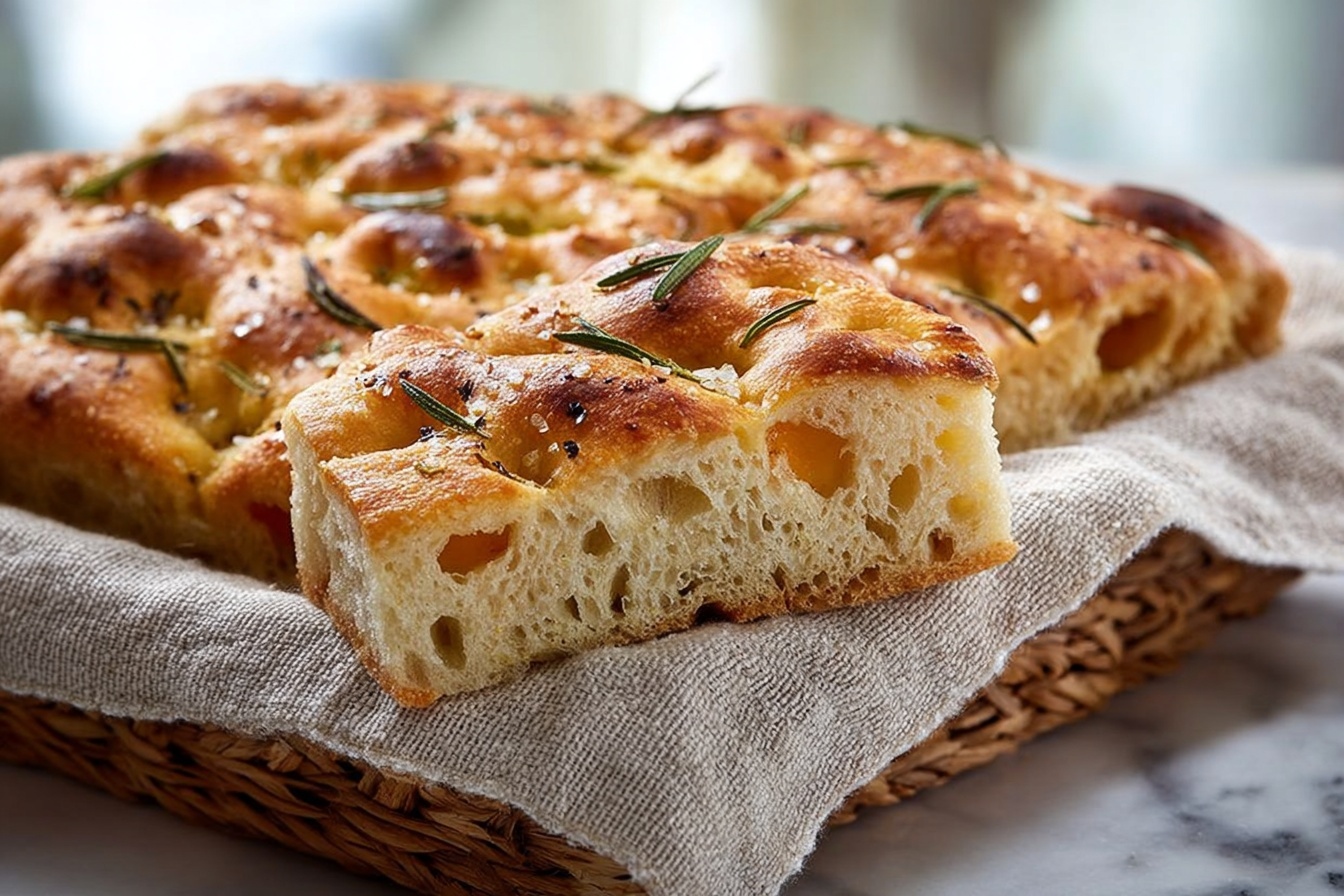
Cut your focaccia into rustic squares, layer slices in a wooden basket lined with linen, or serve alongside a cheese board for a special snack or appetizer spread that wows guests.
Make Ahead and Storage
Make-Ahead Instructions
You can prepare the dough up to the cold fermentation stage the day before, letting the flavors develop deeply overnight in the fridge for convenience and enhanced taste.
Storage
Store leftover focaccia wrapped loosely in foil or in an airtight container at room temperature for 2-3 days to maintain freshness.
Freezing
This bread freezes beautifully. Wrap cooled focaccia tightly in plastic wrap and foil, and freeze for up to 1 month. Thaw at room temperature before reheating.
Reheating
Reheat slices in a warm oven at 350ºF for 5-7 minutes to restore crispness and revive that fresh-baked aroma.
Expert Tips for Success
Trust the Starter: Use a fully active, bubbly sourdough starter for that perfect rise and flavor.
Hydration is Key: Measure water precisely at room temperature to ensure optimal dough moisture.
Master the Coil Fold: This gentle folding technique develops gluten without tearing, preserving those precious gas bubbles.
Overnight Cold Fermentation: This step is invaluable for flavor depth and airy crumb.
Generous Use of Olive Oil: Oil the pan and dough surface liberally for that signature golden crust and moist interior.
Dimples Make a Difference: Don’t skip dimpling—this traps oil and helps create the focaccia’s trademark texture.
Patience Is a Virtue: Allow plenty of time for proofing to develop complex flavor and lightness.
Frequently Asked Questions
Can I skip the cold fermentation?
Yes! If short on time, proof the dough at room temperature for 3-4 hours until bubbly and doubled instead of the overnight cold ferment.
What if my dough is not rising well?
Try placing your dough in a warmer spot and allow more time. An active starter and proper hydration are key factors.
Do I have to use sourdough starter?
This recipe shines with a natural starter, but you can adapt it using commercial yeast for quicker results, though the flavor will differ.
Can I use dried rosemary?
Yes, but fresh rosemary is recommended for its vibrant aroma and flavor. Use half the amount if substituting dried.
How do I store leftover focaccia?
Keep it wrapped at room temperature for up to 3 days, or freeze tightly wrapped for up to a month.
What’s the best way to reheat focaccia?
Reheat in a warm oven at 350ºF for 5-7 minutes to refresh the crust and soften the crumb.
Why do I need to dimple the dough?
Dimpling traps olive oil and gas bubbles, creating the focaccia’s characteristic texture and helping prevent large air pockets.
Final Thoughts
This Sourdough Focaccia With Roasted Garlic & Rosemary Recipe is a heartwarming bread that celebrates tradition, flavor, and simple luxury. From the creamy richness of roasted garlic to the earthy brightness of fresh rosemary, every bite invites you to slow down and savor. Whether for a cozy family dinner or to impress friends, this bread’s fluffy crumb and crisp, golden crust promise smiles and second helpings. Roll up your sleeves, enjoy the therapeutic rhythm of folding and shaping, and get ready to fill your kitchen with memories and mouthwatering aromas that linger long after the last slice is gone.
PrintSourdough Focaccia With Roasted Garlic & Rosemary Recipe

This Sourdough Focaccia with Roasted Garlic & Rosemary is a flavorful and aromatic bread that combines the tangy depth of sourdough with the rich sweetness of caramelized garlic and fresh rosemary. Perfect for serving as a snack or alongside your favorite dishes.
- Prep Time: 20 minutes
- Cook Time: 55 minutes
- Total Time: 26 hours 45 minutes
- Yield: 12 servings 1x
- Category: Bread
- Method: Baking
- Cuisine: Italian
Ingredients
For the Dough and Topping
- 70 grams Olive Oil, Divided
- 5–10 grams Flaky Sea Salt
- 1 Bulb Roasted Garlic
- 1 Sprig Fresh Rosemary, Finely Chopped
- 100 grams Ripe, Bubbly Sourdough Starter, About 1/2 cup
- 400 grams Room Temperature Water, About 1 2/3 cup
- 500 grams Bread Flour, About 3 2/3 cups
- 13 Grams Salt, About 2 Teaspoons
- 2 Roasted Garlic Bulbs, Cooled
- 1–2 Sprigs Fresh Rosemary, Finely Chopped
Instructions
- Prepare Roasted Garlic: The day before or a few hours before mixing your dough, prepare the roasted garlic.
- Preheat Oven: Preheat the oven to 400ºF.
- Prepare Garlic Bulbs: Prepare 3 garlic bulbs by peeling any excess outer skin, then slice the tops of the garlic bulbs about 1/2 inch from the top of the cloves, cutting away the skin until the garlic cloves are exposed.
- Wrap Bulbs: Place garlic bulbs in the middle of a large sheet of aluminum foil.
- Drizzle Olive Oil: Drizzle with olive oil and a little salt.
- Seal Garlic: Wrap garlic bulbs in the foil completely.
- Bake Garlic: Place in a baking dish and bake for 30-40 minutes until the cloves are very soft and caramelized.
- Cool Garlic: Remove roasted garlic from the oven and let cool completely.
- Squeeze Cloves: Squeeze garlic cloves from the bottom of the bulb, pushing the cloves out of the bulb and into a container.
- Mix Dough: In a medium large bowl add 100 grams starter, 400 grams water, 10 grams salt, and 500 grams of bread flour.
- Combine Ingredients: Mix together with a dough whisk or spoon until a sticky dough forms.
- Rest Dough: Cover and let rest for 30 minutes.
- Perform Coil Folds: After 30 minutes, remove the cover and perform 4-6 coil folds.
- Coil Fold Instructions: Wet your hands with water. Place your hands under the middle of the dough and pull up. The dough will stretch up (but should not tear) and release from the bottom of the bowl. Once the dough releases, let the dough fall back under itself. Repeat the process for both sides of the dough. Then turn the container and repeat the coil fold.
- Rest Again: Cover and let rest for 30 minutes.???
- Add Roasted Garlic and Rosemary: After 30 minutes, spread 2 of the whole roasted garlic bulbs on top of the dough.
- Sprinkle Rosemary and Fold: Sprinkle the chopped rosemary on top of the dough. Lightly wet your hands. Repeat the coil fold 4-6 times. (The garlic and rosemary will begin to spread throughout the dough).
- Rest Once More: Cover and rest for 30 minutes
- More Coil Folds: After 30 more minutes, lightly wet your hands, and repeat the coil fold 4-6 times.
- Bulk Fermentation: Cover bowl and rest for 1.5-2 hours until the dough has scattered bubbles around the edges, has risen about 30-40% and is jiggly. (This timeframe is based on ambient temperature.?)
- Prepare Baking Pan: After the bulk rest, pour 40 grams (3 Tablespoons) olive oil into a 9 by 13-inch metal baking pan. Tip the pan around to cover the entire bottom of the baking pan – add a little more oil if needed.??
- Shape Dough: Turn the dough out into the pan and stretch slowly to fill the edges of the pan. Pull up gently on the underside of the dough to stretch it into place. (If it doesn’t want to stretch, let the dough rest for a minute and then try again.)
- Cold Ferment: Cover the pan with plastic wrap and stick in the refrigerator to rest/cold ferment overnight.?? (If you prefer to skip the cold fermentation, let the dough rise until bubbly and doubled in size (about 3-4 hours at 78-80ºF) and bake according to recipe directions.?)
- Bring to Room Temperature: Take the pan of dough out of the fridge and set it on the counter., and let it come to room temperature and rise until doubled (3-5 hours at 78-80ºF). (The focaccia dough will begin to bubble up as it rises on the counter and the dough will fill the pan and feel light, airy, and jiggly. ??The key to a bubbly, airy focaccia is to give it time to rise and almost over-proof. If your dough is not doubling in size or rising, find a warmer place to proof the dough before you bake it and give it more time.?)
- Preheat Oven: Once the dough has doubled in size and is ready to bake, preheat oven to 450ºF.?
- Add Toppings: Drizzle more olive oil, about 2 or 3 tablespoons over the top of the risen dough, and spread it out with your hands so it evenly covers the dough.
- Add Roasted Garlic: Take the reserved 1 bulb of roasted garlic, and break up the cloves into smaller pieces and spread over the top of the dough.
- Add Rosemary and Dimple Dough: Sprinkle fresh chopped rosemary on top, and take your fingers and gently dimple the dough. (Start at the top and work your way down the dough until the entire focaccia is dimpled and bubbly.)
- Add Salt: Sprinkle the top of the dough with flaky sea salt if desired.?
- Bake: Bake for 25-30 minutes until bubbly, crispy and light golden brown on top.
- Cool in Pan: Let cool in the pan for 5-10 minutes before removing to a wire rack to cool.
- Cool Completely: Cool to room temperature before slicing. Enjoy!?
Notes
- If it doesn’t want to stretch, let the dough rest for a minute and then try again.
- The key to a bubbly, airy focaccia is to give it time to rise and almost over-proof. If your dough is not doubling in size or rising, find a warmer place to proof the dough before you bake it and give it more time.
- If you prefer to skip the cold fermentation, let the dough rise until bubbly and doubled in size (about 3-4 hours at 78-80ºF) and bake according to recipe directions.