
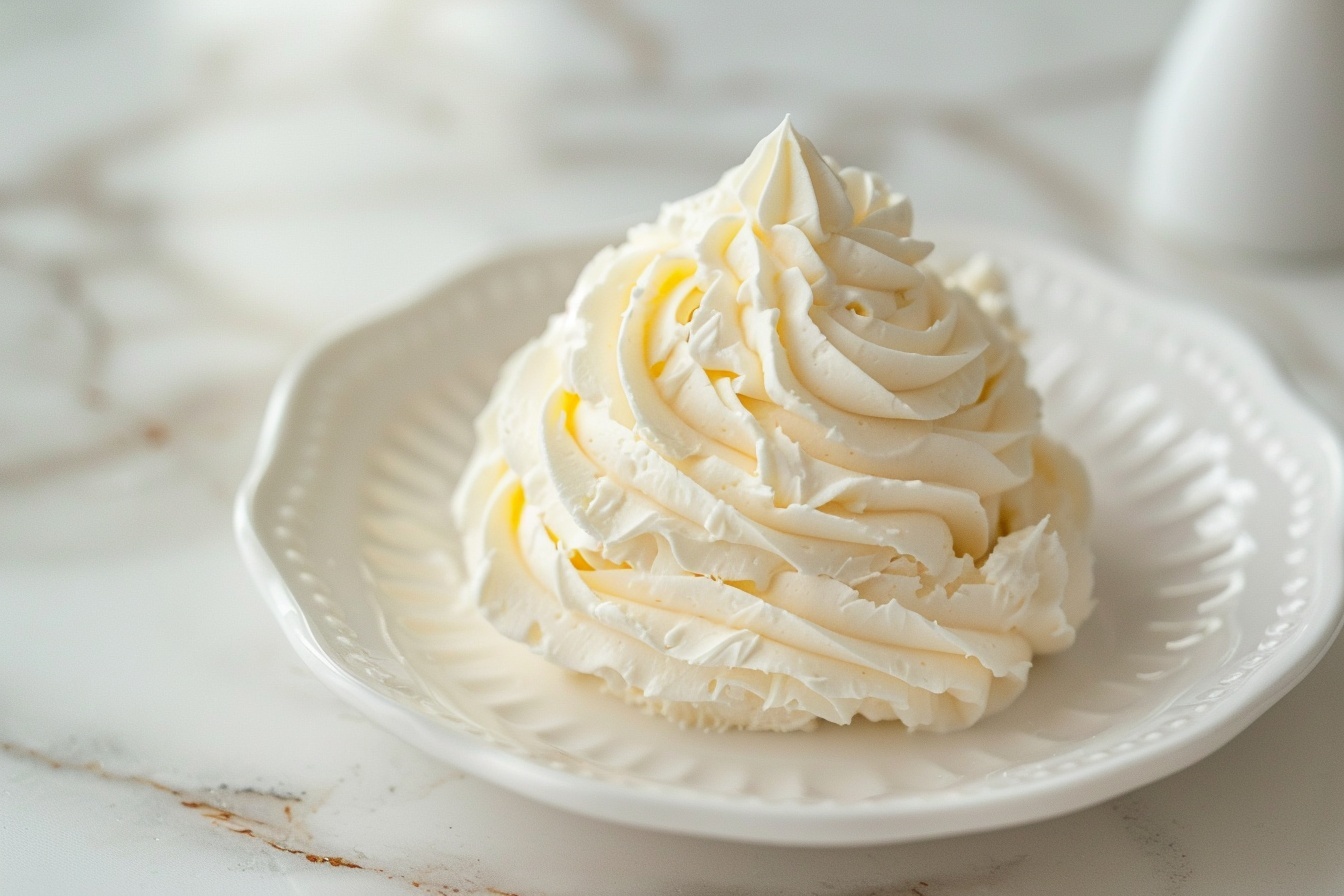
I never thought I’d find a Small Batch Clotted Cream Recipe easier than this! The moment you open the oven after hours of gentle baking, the rich, golden layer resting on the cream’s surface invites you in with its silky allure. This isn’t just any cream—it’s your ticket to authentic British indulgence, perfect for dolloping on scones or elevating desserts. The slow, low-temperature magic transforms simple heavy cream into something truly special.
Why You’ll Love This Small Batch Clotted Cream Recipe
- Lush, Rich Flavor: Experience the deep, buttery sweetness of slow-baked cream that feels indulgent yet delightfully smooth in every spoonful.
- Simple Ingredients: Relies on just 1 pint of heavy cream—pasteurized preferred—which means no complicated shopping or fancy additives.
- Minimal Effort, Maximum Reward: After just 5 minutes of prep and about 12 hours of gentle baking, it practically makes itself while you relax or sleep.
- Versatile Use: Perfect for spreading on scones, swirling into desserts, or even as a luscious base for baking recipes.
- Impressive Yet Homemade: Serve a classic British treat that tastes gourmet but is made right in your own kitchen, perfect for gatherings or personal indulgence.
Why This Small Batch Clotted Cream Recipe Works
The secret to this recipe’s success lies in its simplicity and patience. Baking the heavy cream at a low 175°F (80°C) for 12 hours allows the cream’s fat to slowly rise and thicken into that characteristic golden crust—the prized clotted cream. Using a small baking dish concentrates the rich texture, while the slow baking method mimics traditional techniques that coax deep flavor and a luxurious mouthfeel. The refrigeration step is essential—it transforms the cream into a thick, spreadable delight, giving you that genuine silky consistency every time.
Ingredients You’ll Need
Transform your kitchen with the magic of just a couple of luscious ingredients that promise pure indulgence. This Small Batch Clotted Cream Recipe keeps it delightfully simple, yet incredibly rewarding.
- 1 pint (2 cups) heavy cream: The foundation of every silky spoonful; rich, creamy, and full-bodied.
- Pasteurized cream: Preferred for best results, but ultra-pasteurized cream can stand in if that’s what’s available in your fridge.
Ingredient Substitutions & Tips
- Heavy cream: For a lighter version, try whipping cream, though it may not thicken as richly as heavy cream does.
- Pasteurized cream: Avoid raw cream for safety; if using ultra-pasteurized, expect slight texture differences but still delicious results.
👨🍳 Pro Tips for Perfect Results
- Choose the right cream: Pasteurized heavy cream delivers the best clotting texture and flavor.
- Use a small baking dish: This helps the cream form that desirable thick crust on top.
- Keep the temperature low: Set your oven precisely to 175°F (80°C) to simmer the cream gently without curdling.
- Set an alarm: Some ovens shut off automatically after several hours, so an alarm ensures your cream bakes uninterrupted.
- Don’t rush cooling: Let the cream cool to room temperature before refrigerating for the best silky, spreadable consistency.
How to Make Small Batch Clotted Cream Recipe
Step 1: Preheat the oven
Start by setting your oven to a gentle 175°F (80°C). This slow heat is key to coaxing the cream into that thick, custardy texture you crave.
💡 Pro Tip: Use an oven thermometer if your appliance tends to vary in temperature for precision.
Step 2: Prepare the cream
Pour your heavy cream into a small baking dish—ideally 6×8-inch or 5×7-inch—to encourage even baking. Nestle it gently into your warmed oven.
💡 Pro Tip: A shallow dish creates more surface area, helping the clotted cream layer to develop beautifully.
Step 3: Bake slowly
Let the cream luxuriate in the oven for 12 hours—overnight is perfect and fuss-free. This slow bake is the heart of the recipe, gently thickening the cream without rushing.
💡 Pro Tip: If your oven has an auto-off feature, set an alarm so your cream bakes undisturbed.
Step 4: Cool and set
Once baked, carefully remove the dish to reveal a silky, yellowish layer of clotted cream atop the liquid underneath. Let it come to room temperature before covering and slipping it into the fridge to chill and set for at least 12 hours.
💡 Pro Tip: This resting period is crucial for the cream’s luscious spreadability and flavor development.
Step 5: Separate the cream
Scoop the thick, buttery cream with a spoon into a jar, leaving the liquid whey behind. Don’t toss the whey—it’s a fantastic ingredient for baking scones, biscuits, or pancakes, adding moisture and tenderness.
💡 Pro Tip: Stir your clotted cream gently if you prefer a lighter texture before serving or storing.
Step 6: Serve or store
Enjoy your homemade clotted cream as a rich, smooth spread reminiscent of crème fraîche but with its own unique sweetness. Keep refrigerated until ready to serve.
💡 Pro Tip: Bring to room temperature before using for the best flavor and creaminess.
Common Mistakes to Avoid
Learn from these common pitfalls:
- Using ultra-high heat: Baking at too high a temperature will curdle the cream instead of clotting it smoothly.
- Skipping the long bake: Rushing the bake results in thin cream without the rich crust layer.
- Neglecting the fridge time: Not chilling the cream enough prevents it from setting properly.
- Using the wrong container size: Too large a dish dilutes thickness; too small may cause overflow.
- Discarding the whey: Waste not the whey—it’s perfect for baking and adds wonderful flavor.
Delicious Variations to Try
Once you’ve mastered this classic Small Batch Clotted Cream Recipe, why not stir in subtle twists to surprise your palate?
Vanilla Bean Infused Clotted Cream
Add a whole scraped vanilla bean pod to your cream before baking for a delicate floral aroma and irresistible sweetness.
Honey Drizzle Finish
After chilling, swirl in a tablespoon of local honey to introduce floral notes that perfectly complement scones and fresh berries.
Rosewater Clotted Cream
A light touch of rosewater gently scented into the cream before baking offers a fragrant twist ideal for special occasions.
Fresh Herb Clotted Cream
Mix in finely chopped fresh mint or lavender after chilling for an herby freshness that brightens desserts or tea time treats.
Citrus Zest Boost
Add orange or lemon zest to the cream before baking to inject a subtle citrus zing that pairs beautifully with pastries.
How to Serve Small Batch Clotted Cream Recipe
Garnishes
Top with fresh berries like strawberries or raspberries, a sprinkle of powdered sugar, or a drizzle of honey. A sprig of mint can add a lovely pop of color and fragrance.
Side Dishes
This clotted cream is divine with classic English scones, warm biscuits, fresh fruit, or even dolloped atop pancakes for an elevated breakfast experience.
Creative Ways to Present
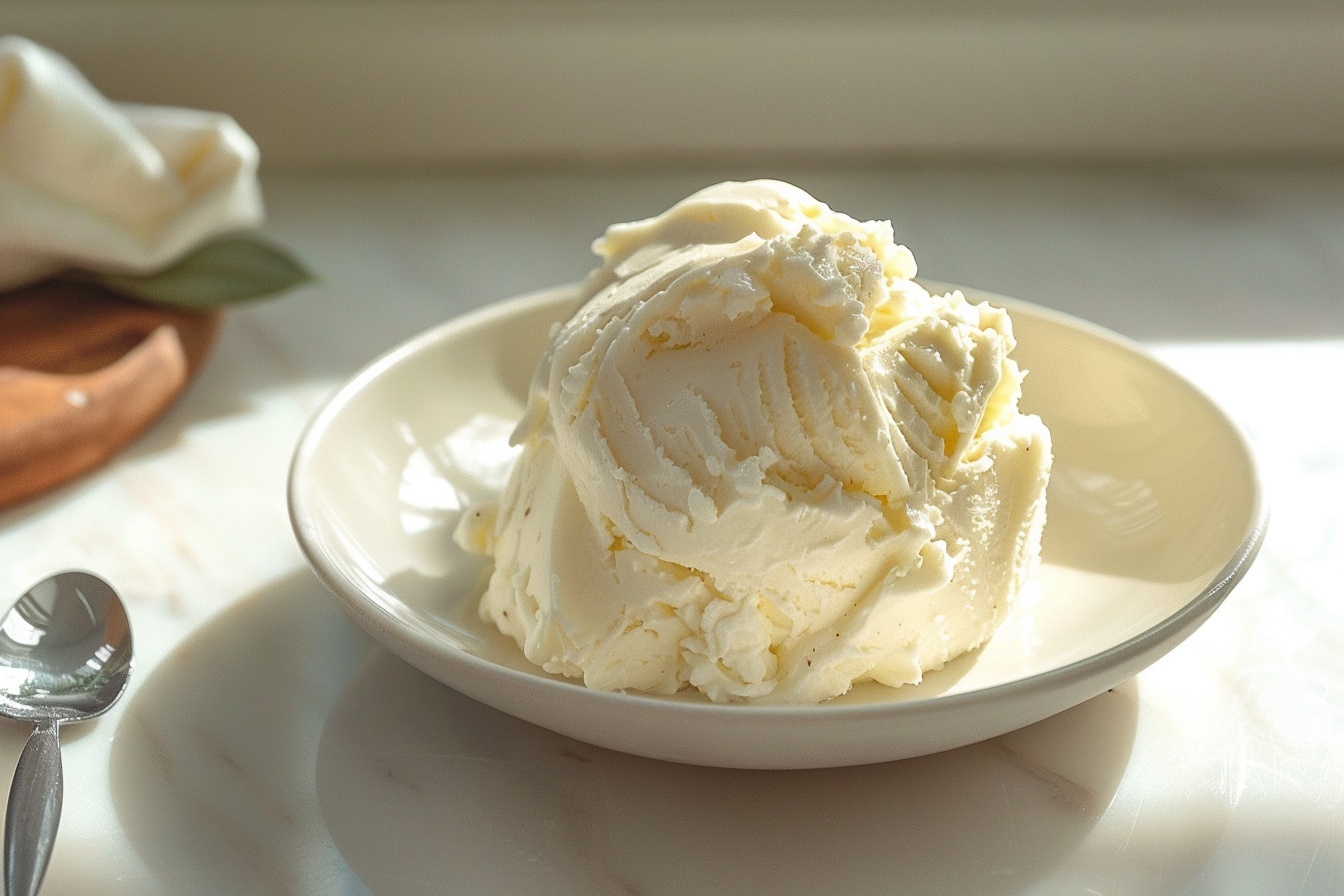
Serve your clotted cream in a charming glass jar or vintage bowl to showcase its golden beauty. Layer it with jam in parfait glasses for a stunning visual and taste delight.
Make Ahead and Storage
Make-Ahead Instructions
You can prepare this Small Batch Clotted Cream Recipe well in advance—after baking and chilling, it’s ready to enjoy or gift. Just make sure to refrigerate promptly for peak freshness.
Storage
Keep your clotted cream tightly covered in the refrigerator. It stays fresh for up to 5 days with that irresistible creamy texture intact.
Freezing
While technically possible, freezing isn’t recommended as it can alter the texture, making the cream grainy once thawed.
Reheating
Simply bring to room temperature before serving—avoid heating directly to preserve that delicate texture and flavor.
Expert Tips for Success
- Use fresh, high-quality cream: The better your cream, the richer and more luxurious your clotted cream will be.
- Maintain consistent low oven temperature: Even heat is key to developing the perfect crust without curdling.
- Be patient: Resist checking too often; the slow bake is all about gentle transformation.
- Use a shallow dish: This maximizes surface area, essential for that glorious thick crust.
- Preserve the whey: Think twice before tossing—it’s a secret ingredient for moist, tender pastries.
- Chill well after baking: This solidifies texture and intensifies flavor beautifully.
- Serve at room temperature: This allows the cream to soften and spread easily, enhancing the eating experience.
Frequently Asked Questions
Can I use ultra-pasteurized cream?
Yes, ultra-pasteurized cream works in a pinch, but pasteurized cream is preferred for the best texture and flavor.
Why does my oven matter for this recipe?
Because the cream needs a steady low temperature of 175°F (80°C), oven variability can affect results. Using an oven thermometer helps ensure accuracy.
What should I do with the leftover whey?
Don’t discard it! The whey is fantastic for baking scones, pancakes, or biscuits, adding extra moisture and subtle flavor.
How long can I store homemade clotted cream?
You can refrigerate it for up to 5 days. Keep it tightly covered to maintain freshness and texture.
Is there a faster way to make clotted cream?
Traditional clotted cream develops its unique texture and flavor through slow, low baking. Quick methods won’t yield the same luxurious result.
Can I make clotted cream without an oven?
Slow baking is essential, but some use sous-vide or slow cookers at a controlled low temperature as alternatives, though results may vary.
How can I tell when clotted cream is ready?
Look for a thick, yellowish crust on top of a thinner milky liquid. After cooling and chilling, the top layer should be thick, rich, and spreadable.
Final Thoughts
Sharing this Small Batch Clotted Cream Recipe feels like passing down a little loving tradition. It’s so incredibly rewarding to create this velvety, golden cream from simple ingredients right at home. Whether you spread it on fresh scones or dollop it on desserts, this luscious treat transforms any bite into a moment of pure joy. Give yourself the gift of slow-baked indulgence—you’ll savor every spoonful and be proud to serve it at your table.
PrintSmall Batch Clotted Cream Recipe

This recipe teaches you how to make rich, smooth clotted cream at home using just heavy cream and slow oven baking, perfect for serving with scones or desserts.
- Prep Time: 5 minutes
- Cook Time: 12 minutes
- Total Time: 24 hours 5 minutes
- Yield: 16 servings 1x
- Category: Dairy
- Method: Baking
- Cuisine: British
- Diet: Vegetarian
Ingredients
Ingredients
- 1 pint (2 cups) heavy cream
- Pasteurized cream is preferred, but ultra-pasteurized can work in a pinch.
Instructions
- Preheat the oven: Set your oven to 175°F (80°C).
- Prepare the cream: Pour the heavy cream into a small baking dish (6×8-inch or 5×7-inch) and place it in the oven.
- Bake slowly: Let the cream bake for 12 hours—overnight works perfectly.
- Note: Some ovens turn off automatically after several hours. Check your manual and set an alarm if needed.
- Cool and set: Remove the dish from the oven. A yellowish layer will have formed on top—this is your clotted cream. Allow it to cool to room temperature, then cover and refrigerate for at least 12 hours to set.
- Separate the cream: Use a spoon to scoop the thick, buttery cream into a jar, leaving the liquid whey behind. The whey can be used for baking scones, biscuits, or pancakes.
- Serve or store: The finished clotted cream has a rich, creamy texture, similar to crème fraîche but smoother and slightly sweet. You can use it as is or stir it gently for a lighter consistency.
Notes
- Some ovens turn off automatically after several hours. Check your manual and set an alarm if needed.