
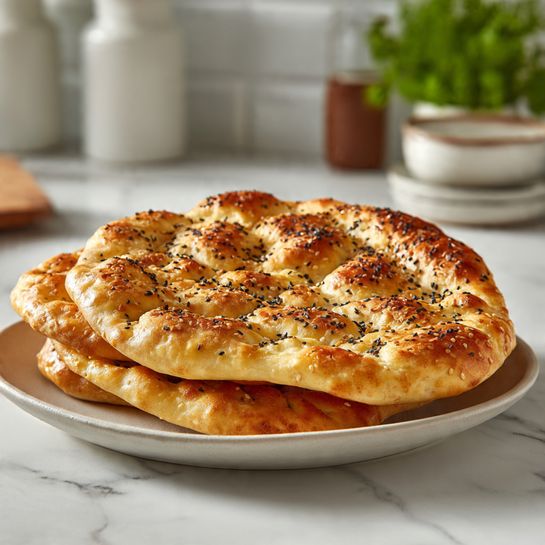
If you’ve ever tasted a freshly baked loaf that whispers comfort with every bite, then you’ll absolutely fall in love with Ramazan Pidesi – Soft Turkish Bread. This traditional favorite carries the warmth of Turkish heritage, offering a delightfully soft interior paired with a lightly crisp crust. The magic lies in its simplicity and subtle touches like the sesame seed topping and the signature pattern etched on the dough’s surface. Whether you’re new to Turkish baking or looking to expand your bread repertoire, this recipe brings a little piece of Turkey right into your kitchen.
Ingredients You’ll Need
Creating this soft Turkish pleasure is surprisingly straightforward, relying on a handful of quality ingredients that each have a starring role. From the milky richness to the light sweetness and that essential yeast for fluffiness, every component contributes to the overall texture and flavor we adore in Ramazan Pidesi – Soft Turkish Bread.
- Flour: The foundation for your dough; opt for bread flour for extra gluten strength and softness.
- Yeast: Makes the bread rise beautifully, creating that characteristic airy interior.
- Sugar: Just a touch to feed the yeast and add subtle sweetness.
- Salt: Balances the flavors and enhances the overall taste.
- Milk: Adds richness and creates a tender crumb texture.
- Water: Hydrates the flour, forming the dough’s perfect consistency.
- Egg yolk: Used for brushing on top, giving the bread a gorgeous golden shine.
- Sesame seeds: The final crowning touch that provides a nutty flavor and beautiful texture.
How to Make Ramazan Pidesi – Soft Turkish Bread
Step 1: Prepare and Knead the Dough
Start by combining the flour, yeast, sugar, and salt in a large bowl. Slowly add the milk and water mixture, stirring until the ingredients come together to form a soft dough. Knead the dough until it becomes smooth and elastic. This kneading process is essential as it develops the gluten, resulting in that soft, chewy texture Ramazan Pidesi is famous for.
Step 2: Let the Dough Rise
Place your dough in a lightly greased bowl, cover it with a clean kitchen towel, and leave it in a warm spot. Allow the dough to rise until it has doubled in size. This rising stage not only increases the dough’s volume but deeply develops flavors and gives the bread its characteristic airy interior.
Step 3: Shape and Pattern the Dough
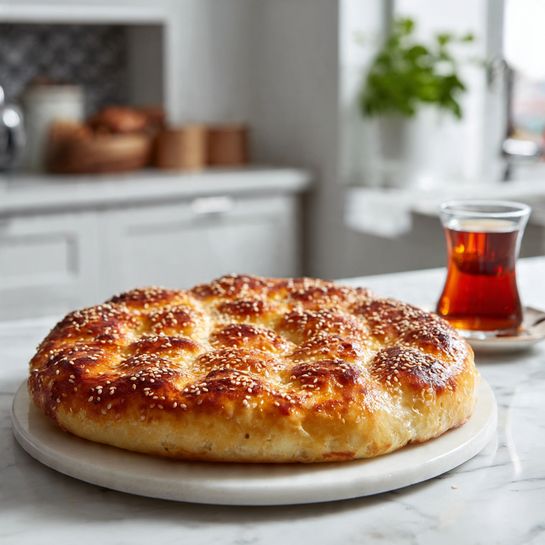
Once risen, gently punch down the dough and shape it into a flat, round loaf. The defining feature of Ramazan Pidesi – Soft Turkish Bread is the beautiful pattern scored into the surface. Use your fingers to make small, elongated indentations across the dough, which will create that iconic look and help the bread bake evenly.
Step 4: Egg Yolk Brush and Sesame Sprinkle
Brush the entire surface of the shaped dough generously with egg yolk. This step is what gives the bread its irresistible golden-brown shine when baked. After that, sprinkle sesame seeds evenly on top, enhancing both flavor and aesthetics.
Step 5: Bake Until Golden
Transfer your prepared dough to a baking stone or sheet and bake in a preheated oven until it turns a beautiful golden color and smells heavenly. The crust should be lightly crisp, while the interior stays soft and supple—the ultimate texture you aim for in Ramazan Pidesi – Soft Turkish Bread.
How to Serve Ramazan Pidesi – Soft Turkish Bread
Garnishes
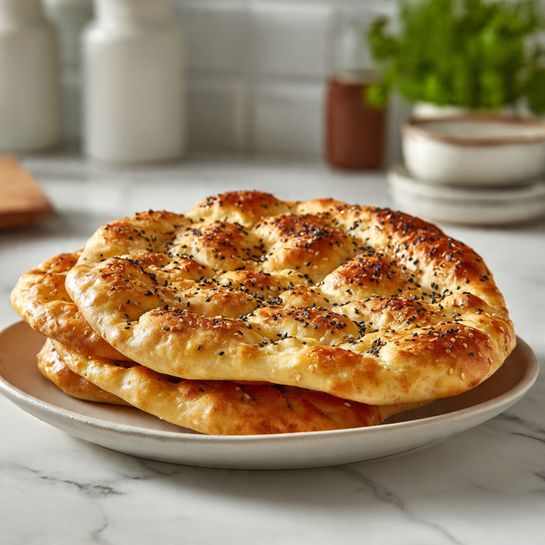
This bread is a natural beauty on its own but pairing it with a sprinkle of fresh herbs like parsley or some za’atar can elevate the experience even further. A drizzle of olive oil or a spot of creamy labneh can add exciting new layers of flavor while honoring the simplicity of the bread.
Side Dishes
Ramazan Pidesi – Soft Turkish Bread works wonderfully alongside traditional Turkish staples. Think hearty lentil soup, spicy Turkish sausage, or fresh salads with cucumbers and tomatoes. It also makes for a perfect companion to mezze platters loaded with feta, olives, and roasted vegetables.
Creative Ways to Present
Slice this bread into generous wedges and serve it as a stunning appetizer with dips like hummus or baba ganoush. You can even use it as a base for mini open-faced sandwiches topped with smoked salmon, cream cheese, and dill for a modern twist that still respects tradition.
Make Ahead and Storage
Storing Leftovers
Keep your leftover Ramazan Pidesi – Soft Turkish Bread fresh by storing it in an airtight container or a resealable plastic bag at room temperature. This will preserve its soft texture for up to two days, making it easy to enjoy later without sacrificing quality.
Freezing
If you want to save the bread for longer, wrap it tightly in plastic wrap and then place it in a freezer-safe bag before freezing. Properly frozen Ramazan Pidesi can last for up to three months, perfect for busy days when you want homemade Turkish bread without the wait.
Reheating
For best results, thaw frozen bread at room temperature and warm it in a preheated oven at 350°F (175°C) for about 5–8 minutes. This brings back its freshly baked softness alongside a crisp crust, just like when you first made it.
FAQs
What makes Ramazan Pidesi different from other Turkish breads?
Ramazan Pidesi stands out due to its unique flat, round shape, signature patterned top, and sesame seed topping. It also has a wonderfully soft interior with a delicately crisp crust, making it ideal for special occasions during the holy month of Ramadan.
Can I use all-purpose flour instead of bread flour?
Yes, you can substitute all-purpose flour, but the texture might be slightly less chewy and soft since bread flour contains more gluten. For the authentic soft and elastic crumb, bread flour is recommended.
Is this bread suitable for freezing?
Absolutely! Ramazan Pidesi freezes well when wrapped properly. Just thaw and warm it before serving to enjoy its fresh-baked qualities any time.
How long should I let the dough rise?
The dough needs about 1 to 2 hours in a warm, draft-free place to double in size. This timing depends on your environment but is vital for getting that perfect airy texture.
Can I make this bread without eggs?
The egg yolk is primarily used for the glossy top and helping the sesame seeds stick, so while you can skip it, the bread won’t brown or shine the same way. Brushing with milk or oil can be an alternative for a different but still tasty finish.
Final Thoughts
There’s something truly magical about making Ramazan Pidesi – Soft Turkish Bread at home. It’s not just bread, it’s a celebration of culture and craftsmanship wrapped up in a warm, sesame-crusted loaf. I encourage you to give this recipe a try—whether for a festive gathering or simply to treat yourself to the comforting taste of Turkish tradition. You’ll soon discover it’s more than just bread, it’s a little piece of happiness.
PrintRamazan Pidesi – Soft Turkish Bread

Ramazan Pidesi is a traditional soft Turkish bread known for its tender interior and lightly crisp crust. This bread is commonly enjoyed during the month of Ramazan, often served fresh and warm. It features a distinctive patterned surface, brushed with egg yolk and topped with sesame seeds, making it both visually appealing and delicious.
- Prep Time: 15 minutes
- Cook Time: 20 minutes
- Total Time: 1 hour 35 minutes
- Yield: 1 large round loaf (10–12 inches) 1x
- Category: Bread
- Method: Baking
- Cuisine: Turkish
Ingredients
Ingredients
- 4 cups all-purpose flour
- 2 1/4 tsp active dry yeast (1 packet)
- 1 tsp sugar
- 1 tsp salt
- 1 cup warm milk
- 1/2 cup warm water
- 1 egg yolk
- 2 tbsp sesame seeds
Instructions
- Prepare the dough: In a large bowl, combine the warm milk, warm water, sugar, and yeast. Let it sit for about 5-10 minutes until it becomes frothy, indicating the yeast is active. Then add the flour and salt gradually, mixing until a soft dough forms.
- Knead the dough: Transfer the dough onto a floured surface and knead it for about 8-10 minutes until smooth and elastic.
- Let the dough rise: Place the kneaded dough back into the bowl, cover it with a clean kitchen towel or plastic wrap, and let it rise in a warm place for about 1 to 1.5 hours, or until it doubles in size.
- Shape the dough: After rising, punch down the dough gently. Shape it into a flat round loaf, approximately 10-12 inches in diameter. Use your fingers or a fork to create the characteristic patterned indentations on the surface of the bread.
- Brush with egg yolk and sprinkle sesame: Brush the surface of the shaped dough generously with the egg yolk to give it a beautiful golden color when baked. Sprinkle sesame seeds evenly on top.
- Bake the bread: Preheat your oven to 425°F (220°C). Place the bread on a baking tray lined with parchment paper and bake for 15-20 minutes or until the bread turns a lovely golden brown and the crust is lightly crisp.
- Cool and serve: Remove the bread from the oven and let it cool slightly on a wire rack. Serve warm to enjoy the soft interior and crispy crust.
Notes
- The dough should be soft but not sticky; adjust flour or water as needed during kneading.
- Ensure the milk and water are warm, not hot, to properly activate the yeast without killing it.
- Creating the traditional pattern with your fingers or a fork adds authentic texture and look.
- For best results, bake immediately after shaping and egg wash application.
- Serve the bread fresh, as it is best enjoyed the same day.