
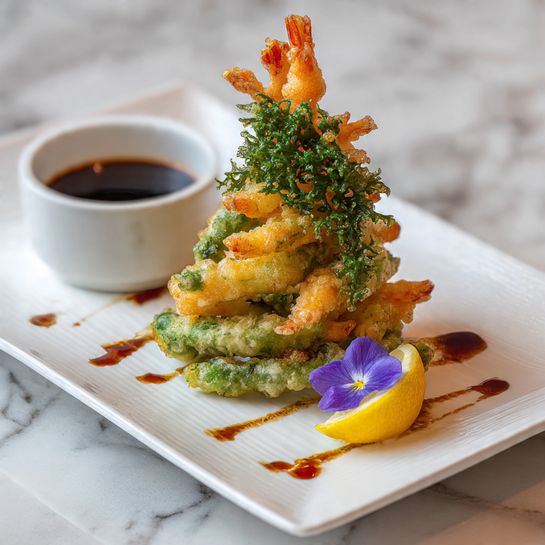
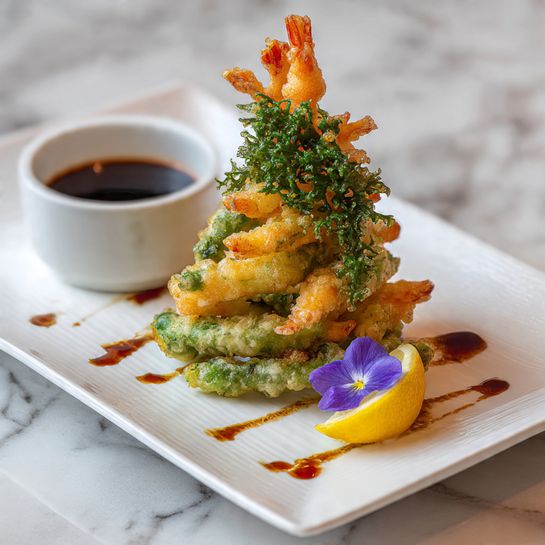
If you have ever wondered how to achieve that unmistakable airy crunch when making tempura at home, you are in for a treat. This recipe unravels the secrets of crafting the Perfect Tempura Batter Explained (Light & Crispy), blending simple ingredients with precise technique to recreate the ethereal texture that makes tempura a beloved delicacy. From the role of sparkling water to the choice of flours and frying temperatures, every element is a carefully balanced note in the symphony of crisp perfection you are about to discover.
Ingredients You’ll Need
Creating the perfect tempura batter relies on just a handful of straightforward ingredients, each playing a crucial part in delivering that delicate, crisp coating. Understanding their contributions not only makes the process easier but also opens the door to tweaking your batter for personal preference.
- 3/4 cup cake flour: Provides a light, low-gluten base that keeps the batter tender rather than chewy.
- 1/4 cup cornstarch: Adds an extra level of crispiness by reducing gluten development and absorbing less oil.
- 1 large egg, lightly beaten: Acts as a binder and lends a subtle richness without weighing down the batter.
- 1 cup ice-cold sparkling water: The secret weapon for lightness – its carbonation aerates the batter, preventing heaviness.
- Vegetables and seafood of your choice: Think sweet potato slices, plump shrimp, or shiitake mushrooms, all perfect for their contrasting textures.
- Vegetable oil for deep frying: Canola or sunflower oil work best with neutral flavor and high smoke points for even frying.
- Salt to taste: A sprinkle after frying enhances flavor without compromising crispness.
How to Make Perfect Tempura Batter Explained (Light & Crispy)
Step 1: Prepare Your Ingredients
Before diving into the batter, ensure your vegetables and seafood are thoroughly patted dry using paper towels. Moisture is the enemy of crispiness, so removing any surface water prevents steam formation that could sog your tempura. This simple prep step sets you up for success.
Step 2: Mix the Batter Gently
In a chilled bowl, sift together the cake flour and cornstarch, laying the foundation for tenderness and crunch. Add the lightly beaten egg and gradually pour in the ice-cold sparkling water. Give everything a light stir using chopsticks or a fork, but don’t fight the lumps. Overmixing develops gluten, which toughens the batter and makes it heavy rather than airy.
Step 3: Heat the Oil to the Right Temperature
Temperature is critical in the quest for tempura perfection. Heat your vegetable oil in a deep fryer or heavy pot to a steady 350°F (175°C). Too hot and your batter will burn before the inside cooks; too cool and it will absorb oil, losing that prized lightness. Use a thermometer to keep your oil consistent throughout frying.
Step 4: Coat and Fry the Ingredients
Dip your prepared vegetables and seafood into the batter, allowing excess to drip off gently – a thin, uneven coating is what you want for texture. Carefully lower the pieces into the hot oil in batches, ensuring they have space to avoid sticking. Fry until they turn pale golden and crispy, about 2 to 3 minutes depending on thickness. Give a gentle stir if pieces stick together, keeping each bite perfectly crisp.
Step 5: Drain and Cool to Lock in Crunch
Once fried, remove your tempura with a slotted spoon and place them on a wire rack over paper towels. This keeps them elevated and allows excess oil to drip away. Let the tempura cool slightly before serving. The cooling process helps moisture escape and prevents sogginess, sealing in that irresistible crunch you’ve worked so hard to achieve.
How to Serve Perfect Tempura Batter Explained (Light & Crispy)
Garnishes
Simple garnishes complement the delicate batter and highlight the flavors underneath. A sprinkle of flaky sea salt or a dusting of matcha salt creates an elegant finish. Freshly grated daikon radish with a splash of soy sauce adds a refreshing bite that cuts through oiliness. These little details elevate your tempura experience.
Side Dishes
Serve your tempura alongside steaming bowls of steamed rice or silky miso soup to balance textures and temperatures. Pickled vegetables like ginger or cucumber provide a pleasant tang that contrasts beautifully with the fried batter. For a more robust meal, consider a light dipping sauce made from dashi, soy sauce, and mirin to add layers of umami complexity.
Creative Ways to Present
For a party or special meal, arrange tempura pieces artfully on a large platter lined with crisp lettuce or shiso leaves. Play with color contrasts using vibrant vegetables like carrots, green beans, or bright peppers. You can also skewer tempura bites for an elegant appetizer, making them easier to serve and eat while showing off the perfect tempura batter explained (light & crispy) in all its glory.
Make Ahead and Storage
Storing Leftovers
If you find yourself with tempura leftover, the key is to keep it as crisp as possible by storing in a single layer on a rack or paper towels inside an airtight container. Avoid stacking to prevent steam buildup, which softens the batter. Refrigerate for up to one day for best results.
Freezing
While tempura is best fresh, you can freeze leftover pieces wrapped individually in parchment paper and placed in a freezer-safe container. When ready to enjoy, thaw in the refrigerator briefly, then re-crisp in a hot oven or air fryer to revive the delicate crunch of the perfect tempura batter explained (light & crispy).
Reheating
To reheat, avoid microwaves as they create steam and soggy batter. Instead, use a preheated oven or air fryer at 375°F (190°C) for about 5 to 7 minutes, turning once. This method revives the crisp texture and warms the filling without sacrificing quality.
FAQs
Can I use regular flour instead of cake flour?
You can, but cake flour’s lower protein content helps keep the batter lighter and more delicate. Using all-purpose flour may give a heavier, denser texture that’s less traditional to tempura’s ethereal crunch.
Why is sparkling water important in the batter?
Sparkling water adds carbonation that aerates the batter, preventing gluten from forming too much and creating a lighter, crispier shell. Regular water or warmer liquids won’t deliver the same airy texture.
Can I prepare the batter in advance?
It’s best to mix the batter just before frying to keep the bubbles active and prevent gluten development. The perfect tempura batter explained (light & crispy) is all about timing—freshness makes a difference.
How do I know when the oil temperature is right?
A kitchen thermometer is your best friend; aim for a consistent 350°F (175°C). If you notice the batter browning too fast or burning, the oil is too hot. If it absorbs oil and feels greasy, it’s too cool.
What should I do if the tempura sticks together during frying?
Gently stir the pieces with a slotted spoon or chopsticks shortly after placing them in the oil, giving them space to cook evenly and avoid clumping without breaking the batter coating.
Final Thoughts
There’s nothing quite like biting into perfectly crisp, light tempura at home, and now, with this Perfect Tempura Batter Explained (Light & Crispy) guide, you have all the tools to make that dream a reality. Whether you’re elevating a simple weeknight meal or impressing guests, this technique transforms humble ingredients into a delightful masterpiece of texture and flavor. Give it a try and watch your tempura go from good to unforgettable.
PrintPerfect Tempura Batter Explained (Light & Crispy)

Learn the secrets to making perfect tempura batter that yields a light, crispy, and ethereal crust on your favorite vegetables and seafood. This recipe highlights the chemistry behind crispiness through the right balance of flour, starch, and ice-cold sparkling water, paired with precise frying techniques to master tempura at home.
- Prep Time: 15 minutes
- Cook Time: 10 minutes
- Total Time: 25 minutes
- Yield: Serves 4 as an appetizer or side dish 1x
- Category: Appetizer
- Method: Frying
- Cuisine: Japanese
- Diet: Halal
Ingredients
Batter Ingredients
- 3/4 cup cake flour, sifted
- 1/4 cup cornstarch (for a crispier texture)
- 1 large egg, lightly beaten
- 1 cup ice-cold sparkling water
For Frying
- Vegetables and seafood of your choice (e.g., sweet potato slices, shrimp, shiitake mushrooms)
- Vegetable oil for deep frying (preferably canola or sunflower oil)
- Salt to taste, for finishing
Instructions
- Prepare the ingredients: Pat vegetables and seafood dry with paper towels to reduce surface moisture. Excess water hinders the crispiness of your tempura, so ensure your ingredients are as dry as possible before battering.
- Mix the batter: In a chilled bowl, combine the sifted cake flour and cornstarch. Add the beaten egg, then gradually pour in the ice-cold sparkling water. Stir lightly with chopsticks or a fork, allowing lumps to remain. Avoid overmixing as it develops gluten that can toughen the batter.
- Heat the oil: Using a deep-fryer or a heavy pot, heat the vegetable oil to a steady 350°F (175°C). Use a thermometer to maintain consistent temperature; too hot oil burns batter, while oil that’s too cool results in oily tempura.
- Coat and fry: Dip the prepared vegetables and seafood into the batter, letting excess drip off. Carefully lower them into the hot oil in batches to avoid overcrowding. Fry until the tempura turns pale golden and crisp, approximately 2-3 minutes depending on thickness. Stir occasionally to prevent pieces from sticking together.
- Drain and cool: Remove tempura using a slotted spoon and place on a wire rack set over paper towels to drain excess oil. Let the tempura cool slightly before serving; this allows steam to escape and keeps the batter crisp rather than soggy.
Notes
- Use ice-cold sparkling water to keep batter light and airy.
- Do not overmix the batter; lumps are desirable to avoid gluten development.
- Maintain oil temperature at 350°F for optimal frying results.
- Pat your ingredients dry to ensure maximum crispiness.
- Frying in small batches prevents temperature drop and soggy batter.
- Serving tempura on a wire rack rather than paper towels alone helps maintain crispness.