
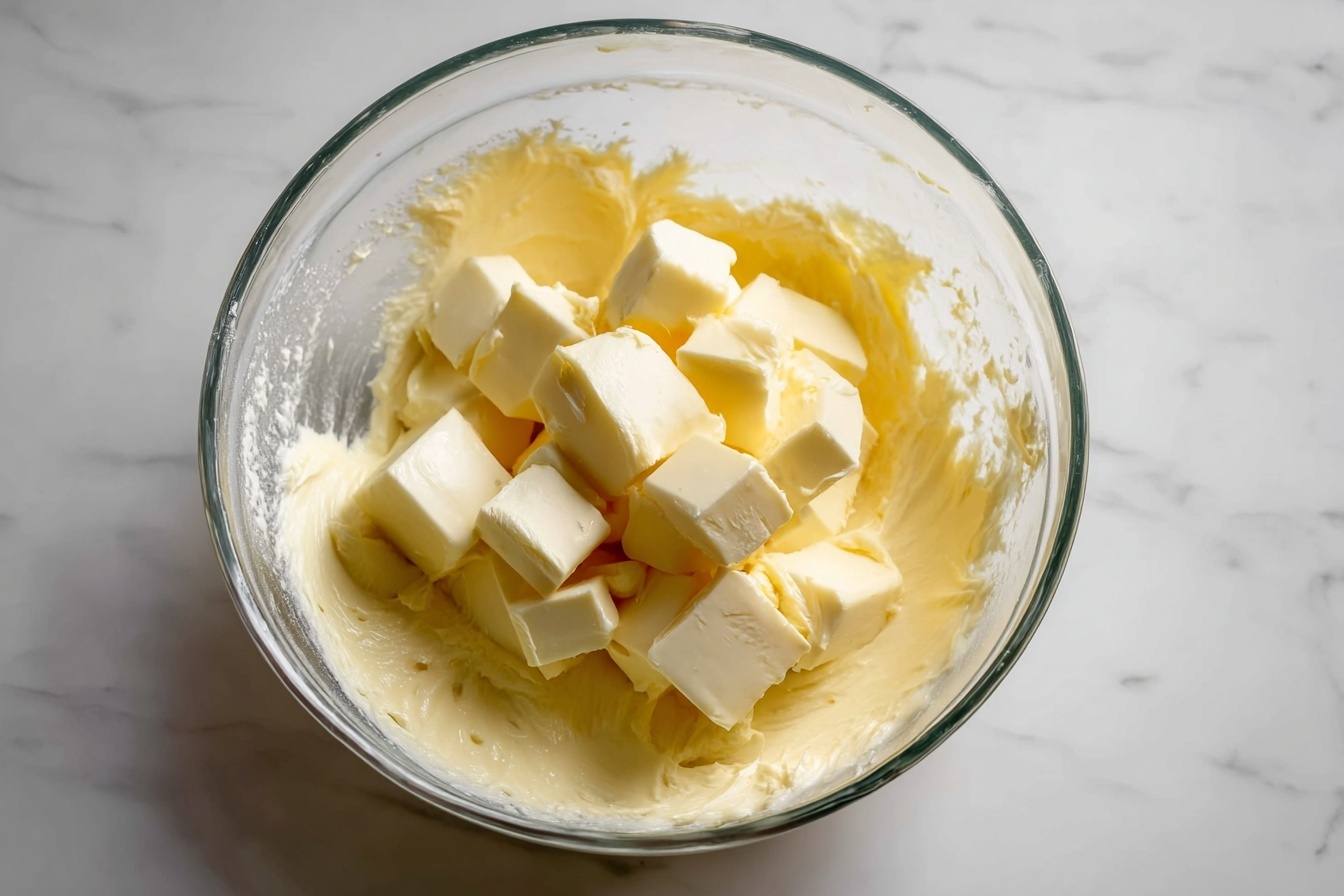
I never thought I’d find an orange curd recipe easier than this, but here it is—creamy, zesty, and bursting with sunshine in every spoonful. The moment you stir together fresh orange and lemon juices with eggs and butter over gentle heat, a beautiful aroma fills your kitchen that instantly brightens your mood. This luscious spread is a delightful balance of tangy and sweet, perfect for lifting anything from morning toast to elegant pastries.
Why You’ll Love This Orange Curd Recipe
- Vibrant and Balanced Flavor: The fresh orange juice and zest blend harmoniously with a hint of lemon, giving a bright citrus zing that feels like a taste of sunlit days.
- Simple Ingredients: Using just common staples like eggs, sugar, butter, and fresh citrus, this recipe is all about quality and freshness without any fuss.
- Gentle Cooking Method: Slow cooking over a double boiler ensures the curd thickens perfectly without scrambling the eggs, creating an irresistibly smooth texture.
- Versatile and Impressive: Whether slathered on toast or folded into desserts, this orange curd adds a burst of gourmet flavor with minimal effort.
- Beautiful Color and Finish: Optional gel food coloring enhances its vibrant hue, making your final jar look as stunning as its taste.
Why This Orange Curd Recipe Works
This recipe shines because of the stovetop double boiler method, which slowly cooks the eggs and citrus mixture without direct heat, safeguarding that silky texture every curd lover dreams of. The precise whisking of eggs with sugar until pale ensures even sweetness and smoothness, while the gradual addition of butter enriches the curd, giving it that glossy, luxurious finish. The final step of straining the curd is genius—it removes any pesky zest bits or cooked egg fragments, making each spoonful perfectly smooth and velvety.
Ingredients You’ll Need
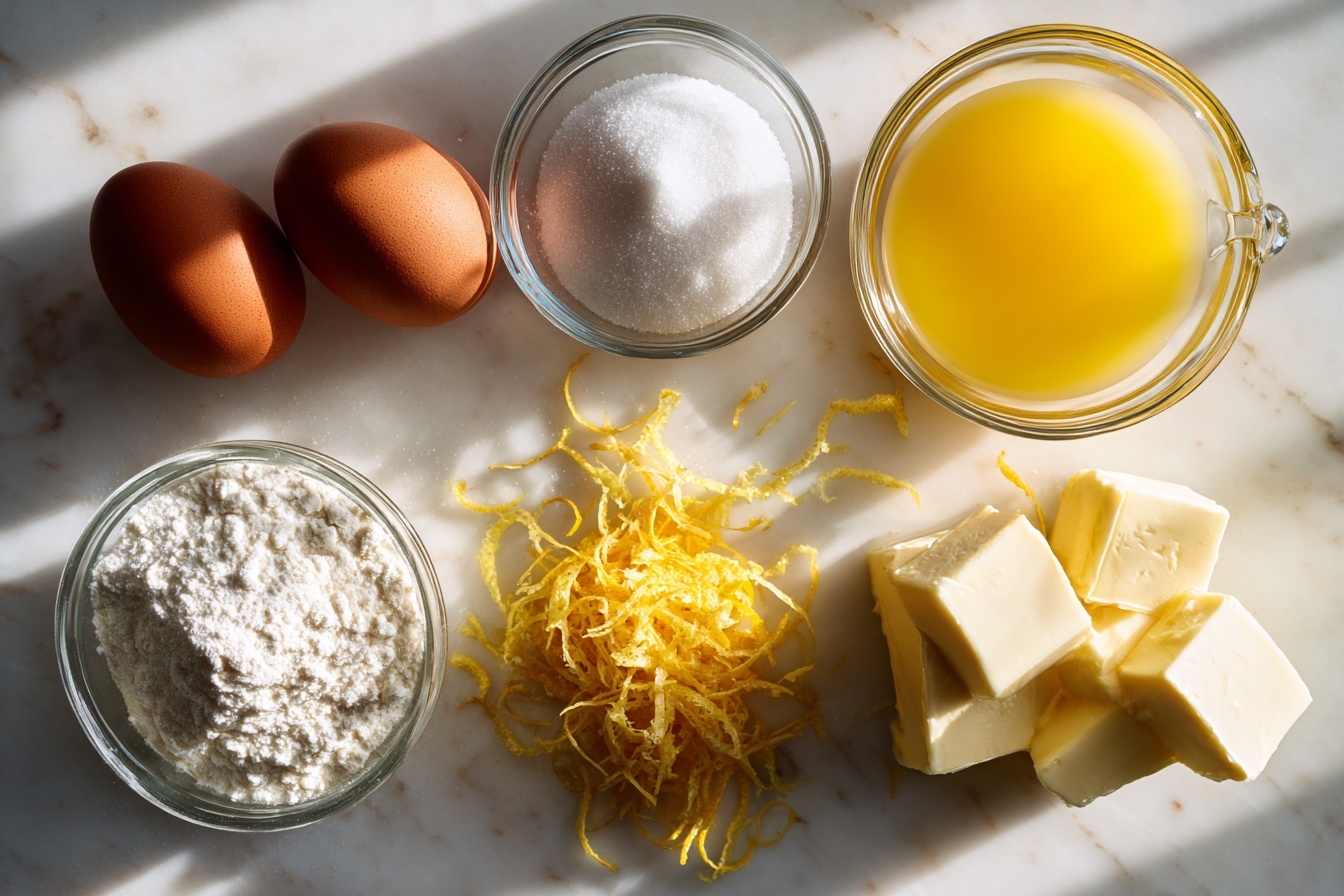
Gather a vibrant palette of fresh oranges and lemons, along with wholesome pantry staples, to create this stunning curd that sings with natural citrus goodness.
- 3 large eggs: The creamy base that thickens and binds the curd.
- 2/3 cup (130g) granulated sugar: Adds the perfect sweetness to balance the tartness.
- 1 tablespoon finely grated orange zest: About one large orange, delivering aromatic oils for that signature citrus punch.
- 3/4 cup (180ml) fresh orange juice, strained: Freshly squeezed for pure, bright citrus flavor.
- 2 tablespoons fresh lemon juice: Lends a sharp, refreshing twist to the blend.
- 1/4 teaspoon salt: Enhances all the flavors and cuts through the sweetness.
- 6 tablespoons (85g) unsalted butter, cut into cubes: Richness and creaminess that transform the curd fully.
- 1–2 drops orange gel food coloring (optional): For an eye-catching, vibrant orange color.
Ingredient Substitutions & Tips
- Fresh orange juice: Can be replaced with different citrus juices like blood orange or tangerine for a unique twist.
- Lemon juice: Lime juice works well in a pinch, offering a slightly different but delightful tartness.
- Unsalted butter: If needed, swap with vegan butter or coconut oil for a dairy-free version (note changes in flavor and texture).
- Orange zest: Use dried orange peel powder if fresh zest is unavailable, though fresh is preferred for brightness.
👨🍳 Pro Tips for Perfect Results
- Use fresh citrus: Always squeeze fresh orange and lemon juices for the brightest and most natural flavor.
- Don’t rush the cooking: Stir constantly over gentle heat to avoid curdling and to achieve that luscious texture.
- Strain the curd: This easy extra step removes zest and cooked bits, giving you a silky-smooth finish.
- Butter temperature matters: Cold butter cubes melt evenly into the warm curd, creating a glossy and creamy texture.
- Color enhancement: Use gel food coloring sparingly—colors intensify as the curd cools.
How to Make Orange Curd Recipe
Step 1: Set Up a Double Boiler
Place a heatproof glass bowl atop a saucepan with about an inch of simmering water, making sure the bowl’s bottom doesn’t touch the water beneath. This gentle, indirect heat is the secret to cooking the curd slowly and evenly without scrambling the eggs.
💡 Pro Tip: Keep the water at a steady simmer, not a boil, to maintain perfect temperature control.
Step 2: Whisk Eggs and Sugar
Into your warmed bowl, whisk the eggs together with granulated sugar until the mixture looks smooth and pale yellow—a crucial step that sets the base for that creamy texture.
💡 Pro Tip: Whisk vigorously to incorporate air and dissolve the sugar fully for a silky curd.
Step 3: Add Juices, Zest, and Salt
Stir in the fresh orange juice, fresh lemon juice, finely grated orange zest, and a pinch of salt. This combination brings vibrant layers of citrus flavor that make this orange curd so irresistible.
💡 Pro Tip: Use a fine sieve to strain the juices beforehand to avoid any pulp that could interfere with smoothness.
Step 4: Cook the Mixture Slowly
Keep stirring continuously over the simmering water with a silicone spatula or whisk. After 8 to 12 minutes, the curd thickens enough to coat the back of a spoon, showing a clean line when swiped with your finger—this is your cue that it’s perfectly cooked.
💡 Pro Tip: Patience here ensures silky curd rather than lumps.
Step 5: Remove from Heat and Add Butter
Take the bowl off the heat and add your butter cubes slowly, letting each melt completely before adding the next. This gradual mixing makes the curd gloriously smooth and glossy.
💡 Pro Tip: Using cold butter helps control the melting process, preventing separation.
Step 6: Add Food Coloring
Add one drop of orange gel food coloring and stir it in thoroughly. If you want a deeper color, add a second drop but remember it will deepen slightly as it cools.
💡 Pro Tip: This step is optional but guarantees a tantalizing visual appeal.
Step 7: Strain for Smoothness
Pour the curd through a fine mesh sieve into a clean container to catch any zest pieces or bits of cooked egg that might have formed. This results in the silky, luxurious texture everyone loves.
💡 Pro Tip: Use a spoon to gently press the curd through the sieve for maximum yield.
Step 8: Cool and Refrigerate
Let the curd cool at room temperature before sealing it in a jar or airtight container. Refrigerate for 1 to 2 hours until it sets completely and becomes spread-ready.
💡 Pro Tip: Stir once or twice during cooling to maintain smoothness and prevent a skin from forming.
Common Mistakes to Avoid
Learn from these common pitfalls:
- Skipping the double boiler: Direct heat can scramble eggs, ruining the texture.
- Not stirring constantly: The curd needs your attention to thicken evenly and avoid lumps.
- Adding butter too quickly: Dumping all at once can break the curd and make it greasy.
- Neglecting to strain: Skipping this step can leave unwanted bits that detract from smoothness.
- Using bottled juice: Fresh juice is key; bottled is often bitter and less vibrant.
- Overcooking: Heating past the right moment can toughen the curd and cause curdling.
Delicious Variations to Try
Once you’ve mastered this classic orange curd recipe, you can play with exciting twists to keep it fresh and vibrant:
Orange-Mint Curd
Add finely chopped fresh mint leaves into the curd after cooking for a refreshing herbal note that pairs beautifully with the citrus.
Spiced Orange Curd
Stir in a pinch of ground cinnamon or cardamom during step 3 to bring warm, aromatic layers to your curd, perfect for autumn treats.
Ginger-Orange Curd
Grate a small amount of fresh ginger and whisk it into the mix at step 3 for a zesty kick that complements the orange perfectly.
Orange-Vanilla Curd
Infuse a split vanilla bean in the juice mixture before cooking to add subtle sweet floral tones that make this curd extra special.
Cranberry-Orange Curd
Fold freshly cooked, tart cranberry sauce into the cooled curd for a festive and tangy spread, ideal for holiday breakfasts.
How to Serve Orange Curd Recipe
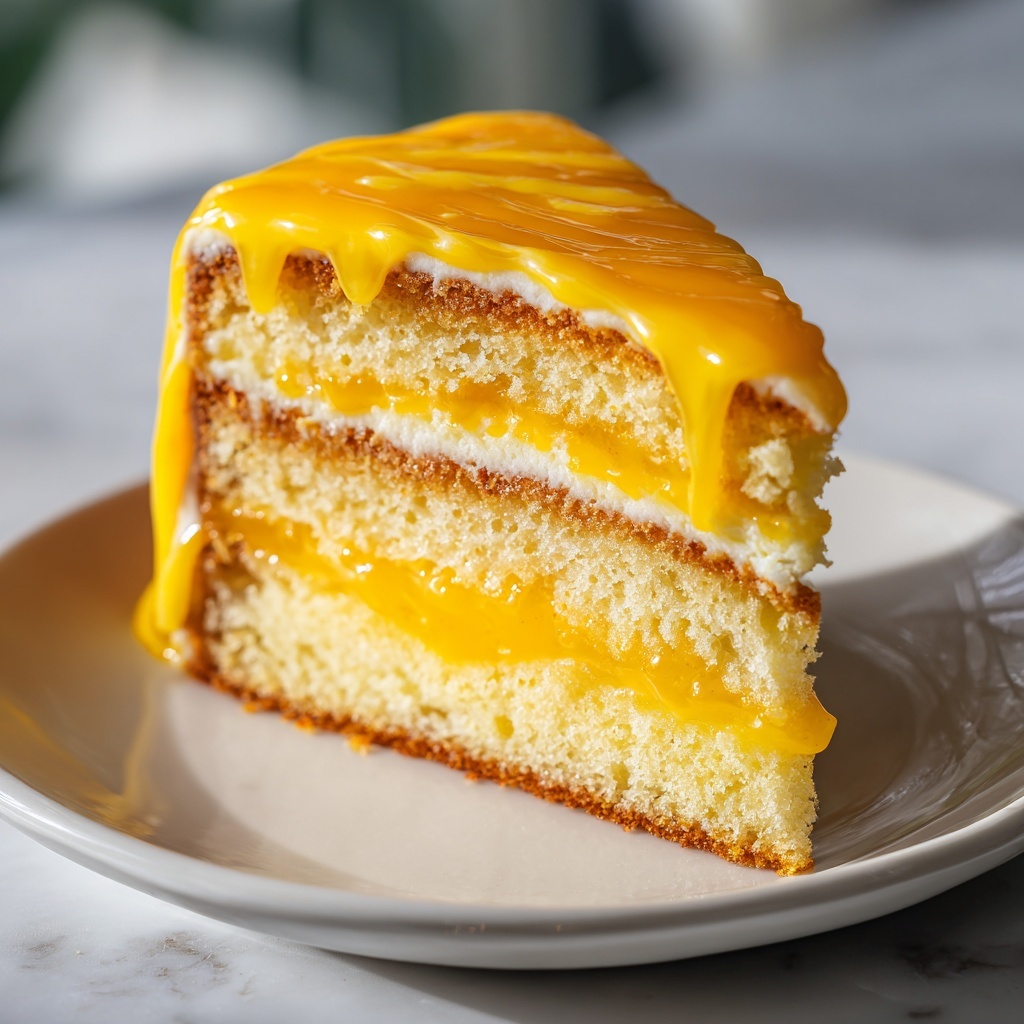
Garnishes
Top your orange curd with fresh orange segments, a sprinkle of finely grated zest, or a few mint leaves to add color and freshness.
Side Dishes
Spread on warm buttered toast, dollop over pancakes or waffles, or use as a filling for tarts and turnovers for a citrus boost. Pairing it with creamy Greek yogurt or mascarpone takes things to another level of indulgence.
Creative Ways to Present
Try layering orange curd with whipped cream and crushed biscuits in a parfait glass for an elegant dessert. Or swirl it through cheesecake batter before baking for an unexpected citrus surprise.
Make Ahead and Storage
Make-Ahead Instructions
This orange curd can be made ahead and refrigerated to develop flavor and texture. Prepare it up to 2 days in advance for the best results.
Storage
Keep refrigerated in an airtight jar or container for up to one week. The curd will thicken further and maintain its vibrant flavor.
Freezing
You can freeze orange curd in a freezer-safe container for up to 3 months. Thaw in the refrigerator overnight before using.
Reheating
Gently warm the curd in a bowl over simmering water or microwave in short bursts, stirring until smooth, but avoid overheating to preserve the texture.
Expert Tips for Success
- Use a heatproof glass bowl for the double boiler to monitor the cooking process easily.
- Whisking eggs and sugar until pale ensures a smooth, tender curd.
- Stir continuously to prevent egg coagulation and ensure even thickening.
- Straining the curd is essential for a silky finish—never skip this step.
- Add butter gradually to keep the curd emulsified and shiny.
- Allow the curd to cool at room temperature before sealing and refrigerating to avoid condensation in the container.
- Store in clean, sterilized jars for maximum freshness and longevity.
Frequently Asked Questions
Can I use bottled orange juice?
It’s best to use fresh orange juice because bottled juice often lacks the bright, fresh flavor and can taste bitter or artificial.
What if the curd lumps or scrambles?
This usually happens if the heat is too high or it’s not stirred continuously. Using a double boiler and stirring constantly prevents this.
Is it safe to eat eggs in this orange curd?
The eggs are gently cooked over low heat until thickened, which makes them safe to eat, similar to custards or lemon curd.
Can I make this recipe vegan?
You can substitute the butter with vegan alternatives like coconut oil or vegan margarine and use an egg replacer, but it will change the texture and flavor.
How long does this orange curd last?
Stored properly in the refrigerator, it keeps fresh for up to one week.
Can I double the recipe?
Absolutely! Just use a larger heatproof bowl and adjust your cooking time to ensure even thickening.
Why is it important to cool before refrigerating?
Cooling at room temperature prevents condensation inside your jar, which could make the curd watery or promote spoilage.
Final Thoughts
Sharing this orange curd recipe is like inviting you into my kitchen, where simple ingredients are transformed into something wonderfully special. Each spoonful bursts with fresh citrus brightness wrapped in buttery creaminess that feels like a little celebration. Whether you spread it on toast, dollop on yogurt, or fold into desserts, this curd adds a joyful, tangy sweetness that will brighten your day and delight your loved ones. Trust me, once you experience the magic of homemade orange curd, you’ll want to keep this recipe close forever.
PrintOrange Curd Recipe
This luscious Orange Curd recipe offers a smooth, tangy spread made with fresh orange and lemon juices, eggs, and butter, perfect for adding a burst of citrus flavor to your breakfasts or desserts.
- Prep Time: 15 minutes
- Cook Time: 12 minutes
- Total Time: 2 hours 27 minutes
- Yield: 1 serving 1x
- Category: Sauce/Condiment
- Method: Stovetop
- Cuisine: American
Ingredients
Ingredients
- 3 large eggs
- 2/3 cup (130g) granulated sugar
- 1 tablespoon finely grated orange zest (about 1 large orange)
- 3/4 cup (180ml) fresh orange juice, strained
- 2 tablespoons fresh lemon juice
- 1/4 teaspoon salt
- 6 tablespoons (85g) unsalted butter, cut into cubes
- 1–2 drops orange gel food coloring (optional, for enhanced color)
Instructions
- SET UP A DOUBLE BOILER: Place a heatproof glass bowl over a saucepan filled with 1 inch of simmering water, ensuring the bottom of the bowl does not touch the water.
- WHISK EGGS AND SUGAR: In the bowl, whisk together the eggs and granulated sugar until the mixture is smooth and pale yellow in color.
- ADD JUICES, ZEST, AND SALT: Stir in the orange juice, lemon juice, orange zest, and salt until fully combined with the egg mixture.
- COOK THE MIXTURE SLOWLY: Stir constantly over the simmering water using a silicone spatula or whisk. Continue cooking for 8 to 12 minutes until the curd thickens and coats the back of a spoon. It should hold a clean line when swiped with a finger.
- REMOVE FROM HEAT AND ADD BUTTER: Take the bowl off the heat and stir in the butter, a few cubes at a time, allowing each addition to melt fully before adding the next. Stir until the curd is smooth and glossy.
- ADD FOOD COLORING: Once the butter is fully incorporated, add 1 drop of orange gel food coloring and stir well. Add a second drop only if a deeper color is desired, keeping in mind the color will intensify slightly as it cools.
- STRAIN FOR SMOOTHNESS: Pour the curd through a fine mesh sieve into a clean bowl to remove any zest or cooked egg bits, ensuring a silky texture.
- COOL AND REFRIGERATE: Allow the orange curd to cool at room temperature, then transfer to a jar or airtight container. Refrigerate for 1 to 2 hours, or until fully set.
Notes
- Using a double boiler ensures gentle cooking and prevents the eggs from scrambling.
- The orange gel food coloring is optional and enhances color without affecting flavor.
- Straining the curd provides a smooth, silky texture by removing zest and cooked egg bits.
- Refrigerate for at least 1 hour to allow the curd to fully set and develop flavor.