
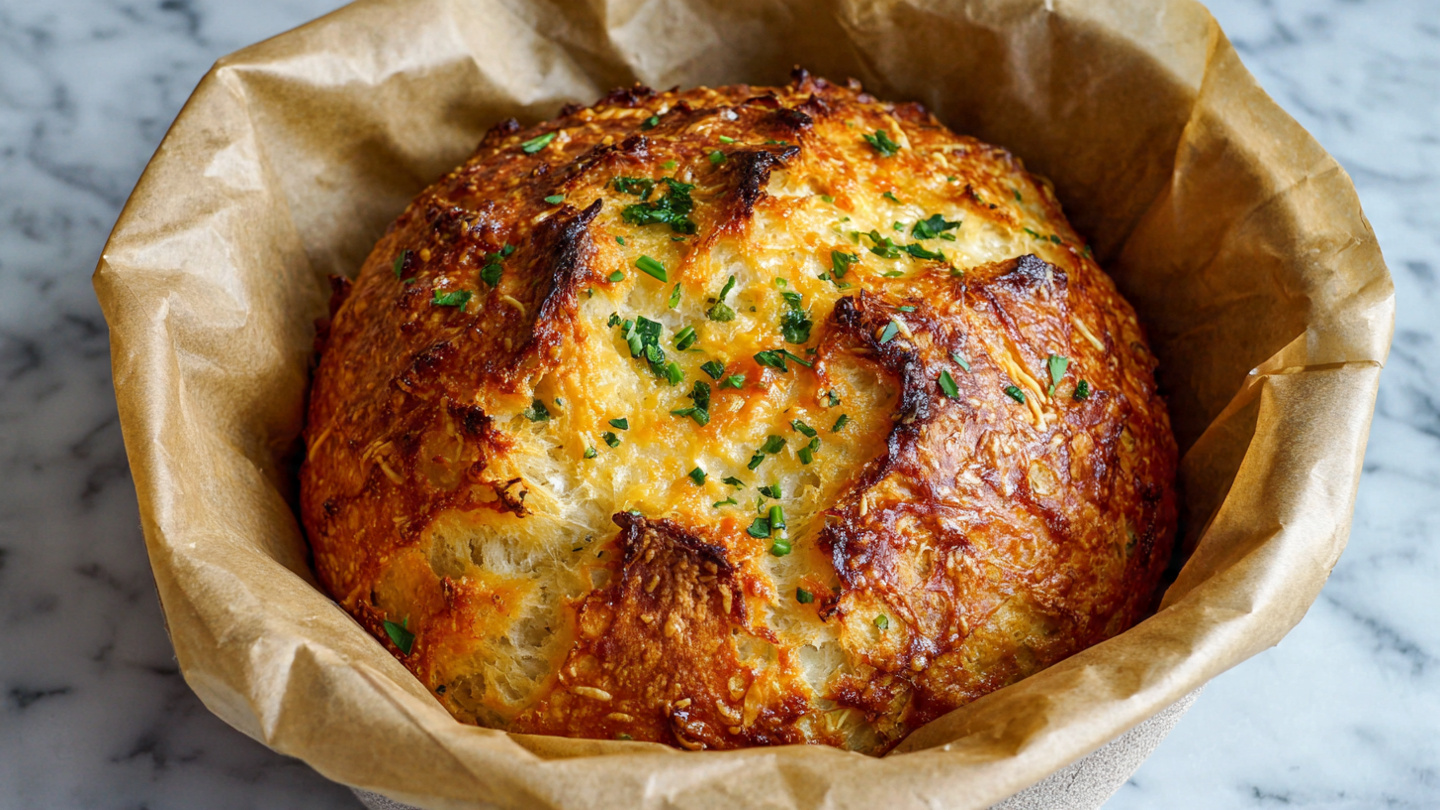
Picture this: the warmth of freshly baked bread filling your kitchen with a tantalizing aroma, the golden crust crackling softly under your fingers, and the irresistible scent of sharp cheddar melting into every bite. This No Knead Cheddar Bread in the Dutch Oven Recipe is like wrapping yourself in a cozy, cheesy hug straight from the oven. It’s the kind of bread that looks impressive but requires minimal effort, perfect for impressing guests or indulging your family on a relaxed weekend afternoon.
Why You’ll Love This No Knead Cheddar Bread in the Dutch Oven Recipe
- Effortlessly Delicious: No kneading required means you get gorgeous, bakery-style bread with a fraction of the work.
- Simple & Accessible Ingredients: Pantry staples like all-purpose flour and sharp cheddar come together seamlessly.
- Long, Slow Rise: The 12-18 hour rise develops rich flavor and a chewy, satisfying texture without constant attention.
- Stunning Presentation: Baked in a Dutch oven with a crisp crust and a rustic look that’s perfect for any table.
- Customizable Flavor: Easily swap cheeses or add herbs to tailor the bread exactly to your taste.
Why This No Knead Cheddar Bread in the Dutch Oven Recipe Works
This recipe shines because of its simplicity and technique. The long, slow rise allows the yeast to develop complex flavors and a perfect crumb without the need for kneading, making it accessible even for beginner bakers. Baking in the Dutch oven traps steam during the initial baking phase, creating that sought-after crisp, crackly crust. Finally, folding the dough gently before the final rise ensures the bread holds its shape and has a beautiful rustic texture. These techniques combine to create a mouthwatering, cheesy loaf that feels like a slice of homemade magic.
Ingredients You’ll Need
Each ingredient in this recipe plays a crucial role in creating a well-balanced, delicious cheddar bread. They are simple, straightforward, and easy to find but when combined, they transform into something extraordinary.
- All-Purpose Flour: Provides structure and body for the bread.
- Lukewarm Water (about 105°F/40°C): Activates the yeast and hydrates the flour for perfect dough formation.
- Instant Yeast: The leavening agent that makes the dough rise and become airy.
- Kosher Salt: Enhances flavor and controls yeast activity.
- Sharp Cheddar Cheese (shredded): Adds rich, melty flavor and delicious pockets of gooey cheese throughout.
- Flaky Sea Salt (for topping): Creates a delightful salty crunch on the crust.
Ingredient Substitutions & Tips
- All-Purpose Flour: You can swap for bread flour if you want a slightly chewier texture.
- Sharp Cheddar Cheese: Try other cheeses like Gruyere, mozzarella, or a mild gouda for different flavors.
- Instant Yeast: Active dry yeast works too, but dissolve it in the water first and allow extra rising time.
- Flaky Sea Salt: Regular coarse salt or kosher salt sprinkled sparingly can substitute if needed.
👨🍳 Pro Tips for Perfect Results
- Tip 1: Use lukewarm water around 105°F/40°C to activate the yeast without killing it.
- Tip 2: Resist the urge to knead – folding gently is enough to develop great structure.
- Tip 3: A well-heated Dutch oven traps steam, ensuring a crust that crackles beautifully.
- Tip 4: Let the bread cool completely before slicing to avoid a gummy interior.
- Tip 5: Covering the dough during rising prevents a crust from forming too early and helps perfect expansion.
How to Make No Knead Cheddar Bread in the Dutch Oven Recipe
Step 1: Mix the Ingredients and First Rise
In a large bowl, whisk together the flour, instant yeast, and kosher salt. Pour in the lukewarm water and stir with a rubber spatula until everything just comes together into a shaggy dough. Gently fold in the shredded sharp cheddar cheese so it is evenly distributed. Cover the bowl tightly with plastic wrap and let the dough rise at room temperature for 12 to 18 hours until doubled in size and bubbly.
💡 Pro Tip: Make this step in the evening to have beautifully risen dough ready the next day.
Step 2: Shape and Second Proof
Lightly flour your work surface, and scrape the dough onto it. Fold the dough over itself 2 to 3 times to gently form a rough ball without deflating it too much. Cover the dough loosely with plastic wrap or a kitchen towel and allow it to rest for 30 minutes. At the same time, place your 5- to 6-quart Dutch oven with the lid inside a cold oven and preheat to 450°F (232°C).
💡 Pro Tip: Handling the dough gently preserves air bubbles that make the bread light and airy.
Step 3: Bake the Bread Covered
Once your Dutch oven is smoking hot, carefully remove it from the oven. Gently transfer the dough ball into the Dutch oven — it will look loose and may deflate slightly, which is perfectly normal. Sprinkle flaky sea salt across the top for an irresistible salty crunch. Cover the Dutch oven with the lid and place it back in the oven.
💡 Pro Tip: Be sure to use oven mitts—the Dutch oven will be extremely hot!
Step 4: Bake Uncovered for a Golden Crust
Bake the bread covered for 30 minutes, then carefully remove the lid and continue baking for another 15-20 minutes until the crust turns deeply golden brown and the internal temperature reaches 200–210°F (93–99°C). This final uncovered bake crisps up the crust to perfection.
💡 Pro Tip: Use a thermometer for perfect doneness and to avoid overbaking.
Step 5: Cool Before Serving
Take the Dutch oven out of the oven and carefully lift the bread out onto a wire rack. Let it cool completely for at least one hour before slicing. This step is crucial to allow the crumb to set and the flavors to develop fully.
💡 Pro Tip: Patience here pays off with a bread that slices cleanly without crushing.
Common Mistakes to Avoid
Learn from these common pitfalls:
- Using water that’s too hot: This can kill the yeast and prevent the dough from rising.
- Rushing the rise: The long slow rise creates depth of flavor; cutting it short leads to bland bread.
- Over-handling the dough: Excessive kneading deflates the dough and results in a dense loaf.
- Not preheating the Dutch oven: The steam and heat trap is necessary for a crispy crust.
- Slicing too soon: Cutting fresh bread before it cools properly makes it gummy and hard to slice.
- Skipping the flaky salt topping: This sprinkle of sea salt adds a delightful finishing crunch and taste contrast.
Delicious Variations to Try
Once you’ve mastered the classic No Knead Cheddar Bread in the Dutch Oven Recipe, why not experiment with these tasty twists?
Herbed Garlic and Cheddar Bread
Add minced garlic and finely chopped fresh herbs like rosemary or thyme to the dough before the first rise for an aromatic punch that pairs wonderfully with the cheddar.
Jalapeño Cheddar Bread
Stir in chopped fresh or pickled jalapeños to add a spicy kick to the melty cheddar, perfect for lovers of a little heat.
Sun-Dried Tomato and Cheese Bread
Fold chopped sun-dried tomatoes into the dough alongside the cheddar for bursts of tangy sweetness in each bite.
Multigrain Cheddar Bread
Substitute one cup of all-purpose flour with whole wheat or rye flour, and add a tablespoon of flax or chia seeds for a nuttier, heartier loaf.
Cheddar and Olive Bread
Incorporate chopped pitted green or black olives into the dough for a salty, savory twist that contrasts beautifully with the cheese.
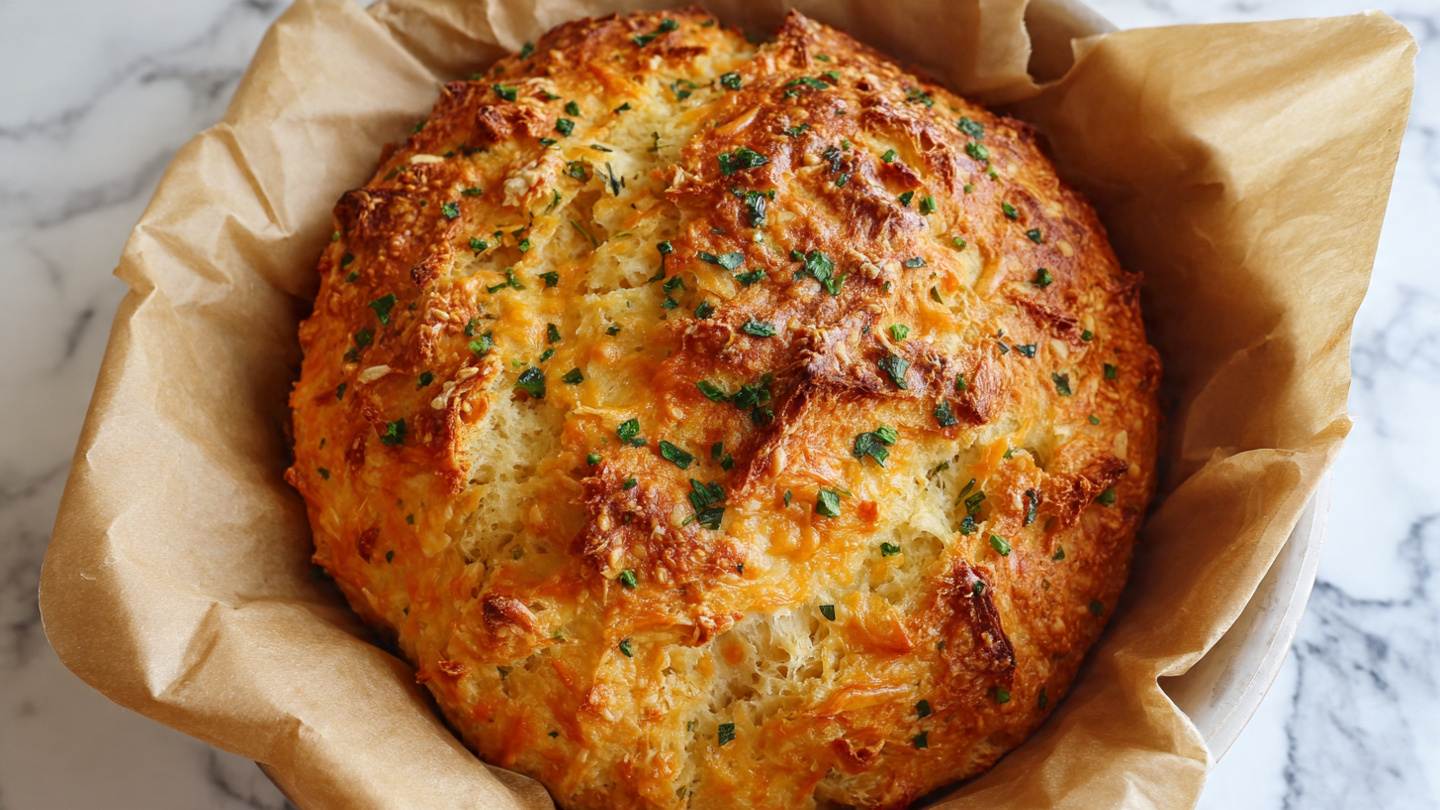
How to Serve No Knead Cheddar Bread in the Dutch Oven Recipe
Garnishes
Finish slices with a pat of softened herb butter or a drizzle of olive oil infused with fresh rosemary for an extra layer of flavor and gloss.
Side Dishes
This bread pairs beautifully with homemade soups like tomato bisque or hearty lentil stew, or alongside fresh garden salads for a satisfying meal.
Creative Ways to Present
Serve the loaf whole on a rustic wooden board with an assortment of cheeses, olives, and fresh fruit for a stunning, shareable centerpiece. Alternatively, slice and toast the bread to create open-faced sandwiches topped with avocado, ripe tomatoes, and a sprinkle of sea salt.
Make Ahead and Storage
Storing Leftovers
Wrap cooled bread tightly in plastic wrap or store in an airtight container at room temperature for up to 3 days. This helps maintain its crustiness and softness inside.
Freezing
Slice the bread and place parchment paper between slices before freezing in a freezer-safe bag. This way, you can thaw slices individually for quick, fresh-tasting bread whenever you want.
Reheating
To refresh stored bread, reheat slices in a toaster or warm the whole loaf in a 350°F oven for 10-15 minutes wrapped loosely in foil to revive the crust and soften the crumb.
FAQs
Can I use active dry yeast instead of instant yeast?
Yes, but dissolve active dry yeast in the lukewarm water first and allow a bit more rising time since it activates slower than instant yeast.
Why does the dough need to rise for so long?
The long, slow rise allows natural fermentation that develops deeper flavors and a lighter texture without kneading.
What if I don’t have a Dutch oven?
A heavy, oven-safe pot with a lid works well too. The key is a vessel that traps steam during baking for that beautiful crust.
Can I add other mix-ins to the bread?
Absolutely! Just be mindful not to add too much liquid or overpower the dough’s structure. Cheese, herbs, olives, and peppers are excellent choices.
How do I know when the bread is fully baked?
The crust should be a deep golden brown and the internal temperature between 200–210°F, which ensures a perfect bake.
Why should I let the bread cool before slicing?
Cooling sets the crumb and prevents the bread from becoming gummy when cut.
Can I make this bread gluten-free?
This recipe requires gluten for structure, but you could experiment with gluten-free blends designed for yeast breads, though results may vary.
Is this bread suitable for sandwiches?
Yes! Its sturdy crust and fluffy interior hold up well to sandwich fillings, adding a cheesy twist to your lunch favorites.
Final Thoughts
Making this No Knead Cheddar Bread in the Dutch Oven Recipe is truly a rewarding experience that fills your home with the warm comfort of freshly baked bread and infuses every bite with that irresistible sharp cheddar goodness. It’s a recipe that invites you to slow down, savor the process, and delight in sharing with loved ones. Whether you’re a seasoned baker or just starting out, this easy yet impressive bread will quickly become a cherished favorite in your kitchen.
Have you tried this No Knead Cheddar Bread in the Dutch Oven Recipe? I’d love to hear how it turned out! Leave a comment below. If you loved this recipe, please share it with friends and family. Happy cooking! 🍞🧀
PrintNo Knead Cheddar Bread in the Dutch Oven Recipe

This No Knead Cheddar Bread recipe delivers a rustic, flavorful loaf with a crisp crust and moist interior, featuring sharp cheddar for a rich, cheesy twist. Baked effortlessly in a Dutch oven, this bread requires minimal hands-on time and no kneading, making it perfect for home bakers craving homemade artisan bread with cheesy goodness.
- Prep Time: 12 hours 15 minutes
- Cook Time: 50 minutes
- Total Time: 12 hours 65 minutes (13 hours 5 minutes)
- Yield: 4 servings 1x
- Category: Bread
- Method: Baking
- Cuisine: American
Ingredients
Dry Ingredients
- 3 cups All-Purpose Flour
- 1 1/4 teaspoons Instant Yeast
- 1 1/2 teaspoons Kosher Salt
- 1 cup Sharp Cheddar Cheese, shredded
- 1/2 teaspoon Flaky Sea Salt (for topping)
Wet Ingredients
- 1 1/2 cups Lukewarm Water (about 105°F/40°C)
Instructions
- Mix Ingredients and First Rise: In a large bowl, whisk together the flour, instant yeast, and kosher salt. Add the lukewarm water and mix with a rubber spatula until just combined into a shaggy dough. Fold in the shredded cheddar cheese evenly. Cover tightly with plastic wrap and let the dough rise at room temperature for 12 to 18 hours until doubled in size and bubbly.
- Shape Dough and Prepare Dutch Oven: After the first rise, lightly flour a work surface and scrape the dough onto it. Fold the dough over itself 2-3 times to form a rough ball. Cover loosely with plastic wrap or a kitchen towel and let it rest for 30 minutes for a second proof. Meanwhile, place a 5- to 6-quart Dutch oven with its lid into a cold oven and preheat to 450°F (232°C).
- Transfer Dough to Dutch Oven: Carefully remove the hot Dutch oven from the oven. Gently transfer the rested dough into the Dutch oven; it may look loose and deflate slightly. Sprinkle the top with flaky sea salt. Cover the Dutch oven with its lid and return it to the oven.
- Bake Covered: Bake the bread covered for 30 minutes in the preheated oven. This traps steam to create a crisp crust and tender crumb.
- Bake Uncovered: Remove the lid carefully after 30 minutes and continue baking for an additional 15-20 minutes, until the bread is deeply golden brown and the internal temperature reads between 200–210°F (93–99°C).
- Cool and Serve: Remove the Dutch oven from the oven and lift out the bread using a spatula or by tipping the pot. Transfer the loaf to a wire rack and allow it to cool completely for at least 1 hour before slicing and serving to maximize flavor and texture.
Notes
- For best results, use sharp cheddar cheese for a bold flavor that melts nicely into the bread.
- The long, slow rise develops complex flavors without kneading.
- Maintain the lukewarm water temperature around 105°F (40°C) to properly activate the yeast.
- Do not remove the dough from the Dutch oven too early to avoid a dense loaf.
- Letting the bread cool completely before slicing ensures it finishes cooking and retains moisture.