
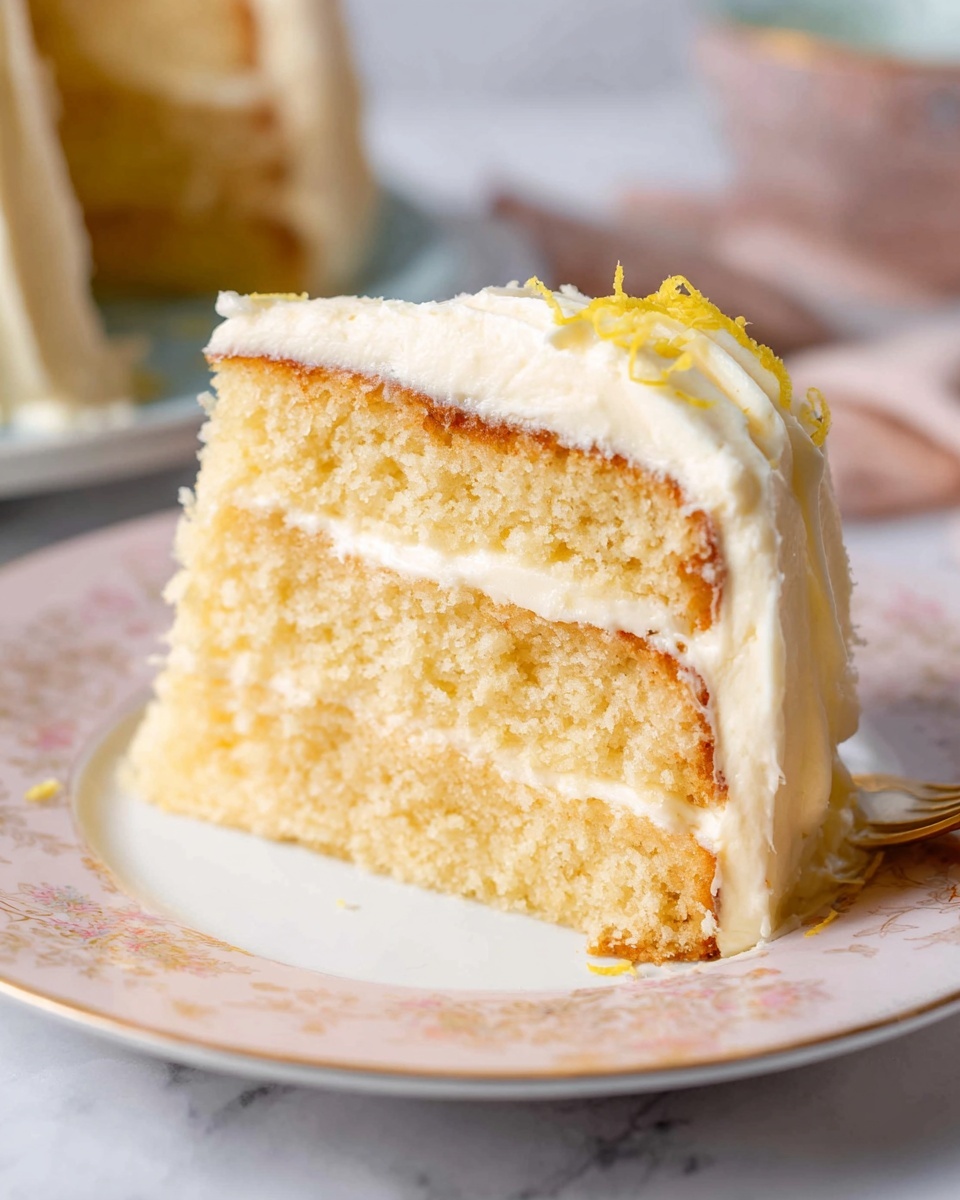
I never thought I’d find a Lemon Layer Cake Recipe easier than this, yet here we are with a stunning dessert that bursts with fresh citrus flavor in every tender, moist slice. The bright zing of freshly squeezed lemon juice mingles perfectly with the sweet, creamy frosting, filling your kitchen with a joyful aroma that promises a delightful treat. Whether it’s a celebration or just a sunny afternoon craving, this cake is sure to shine.
Why You’ll Love This Lemon Layer Cake Recipe
- Vibrant, Fresh Flavor: Thanks to freshly squeezed lemon juice both in the cake and frosting, you get a lively citrus punch that’s perfectly balanced with sweetness.
- Simple Ingredients: Pantry staples like all-purpose flour, butter, and sugar make this cake approachable for any home baker, while vegetable oil keeps it moist and tender.
- Generous Yield: Making 12 servings means this cake is ideal for sharing with family, friends, or bringing to your next gathering.
- Impressive Presentation: Three luscious layers frosted with creamy lemon buttercream create an elegant dessert centerpiece that looks just as good as it tastes.
- Easy to Prepare: After about 30 minutes of prep and 25 minutes in the oven, plus a little cooling time, this beauty comes together in around 1 hour and 15 minutes—worth every minute!
Why This Lemon Layer Cake Recipe Works
This Lemon Layer Cake Recipe shines because of a few masterful techniques and ingredients. First, the combination of whole milk and freshly squeezed lemon juice curdles just enough to add a subtle tang and tender crumb. The use of both softened butter and vegetable oil ensures the cake isn’t dry but lush and moist. Alternating the mixing of dry ingredients with the lemon-infused milk creates a perfectly smooth batter without any floury lumps. Lastly, the fresh lemon juice in the fluffy cream cheese and butter frosting ties every bite together with a creamy citrus finish.
Ingredients You’ll Need
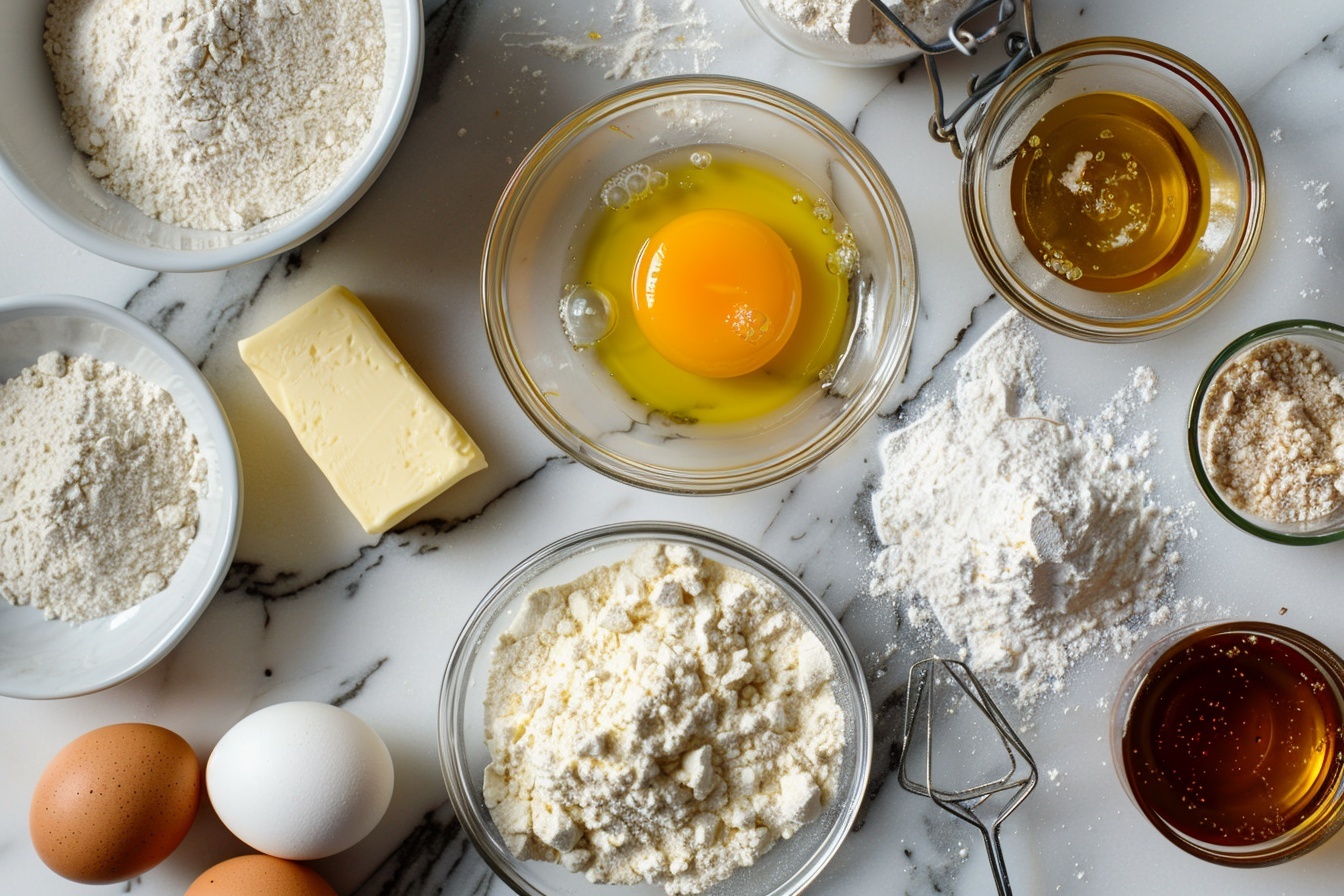
Prepare to gather some trusted kitchen essentials enhanced by fresh lemons that bring brightness and zing to this dessert. These ingredients come together to craft a perfectly balanced cake and frosting that feel like sunshine on a plate.
- Whole milk (3/4 cup): Adds richness and moisture to the batter.
- Lemon juice (6 tablespoons for cake, 2 tablespoons for frosting): Freshly squeezed for that unmistakable zesty brightness.
- All-purpose flour (2 3/4 cup): The sturdy base of the cake.
- Baking powder (2 teaspoons), baking soda (1/2 teaspoon), and salt (1/2 teaspoon): These leaveners and seasoning ensure fluffy cakes with perfect rise.
- Unsalted butter (3/4 cup for cake, 1 1/2 cups for frosting): Softened for easy creaming and luscious texture.
- Vegetable oil (1/4 cup): Helps keep the cake tender and moist.
- Granulated sugar (1 3/4 cup): Sweetens the layers beautifully.
- Vanilla extract (2 teaspoons): Adds depth and warmth.
- Large eggs (3): Room temperature for better mixing.
- Full-fat cream cheese (2 ounces): Brick style for the frosting’s creamy tanginess, or substitute with extra butter.
- Powdered sugar (4 1/2 to 5 1/2 cups): Sifted to ensure a silky smooth frosting.
- Salt (1/4 teaspoon): Balances and enhances flavors in the frosting.
- Whipping cream (1-2 tablespoons): Added as needed to perfect the frosting’s consistency.
Ingredient Substitutions & Tips
- Milk: Can be replaced with buttermilk or a dairy-free milk like almond for a twist.
- Vegetable oil: Canola oil or light olive oil work well if you want a different fruity note.
- Fresh lemon juice: Always choose fresh rather than bottled to keep the bright flavor vivid and natural.
- Cream cheese: If unavailable, increase butter by 1/4 cup for a rich frosting without losing that creamy texture.
👨🍳 Pro Tips for Perfect Results
- Line your pans with baking paper: This prevents sticking better than just greasing and flouring.
- Don’t overmix the batter: This keeps the crumb light and tender rather than dense.
- Use room temperature eggs and butter: This helps everything blend together smoothly.
- Cool cakes fully before frosting: Otherwise, the frosting can melt and slide off.
- Trim domed tops: A serrated knife will help you create flat layers for stacking.
How to Make Lemon Layer Cake Recipe
Step 1: Prepare Your Pans
Preheat your oven to 350F (180C). Line the bottoms of your cake pans with rounds of baking paper, then grease and flour the sides carefully. Trust me, this ensures your cakes come out perfectly clean without any sticking.
💡 Pro Tip: Don’t skip the baking paper—it makes all the difference!
Step 2: Mix Milk and Lemon Juice
Whisk the whole milk and freshly squeezed lemon juice together in a measuring jug or bowl, then set aside. This mixture adds that subtle lemon tang and reacts gently with the leavening agents for a tender crumb.
💡 Pro Tip: Use freshly squeezed lemon juice for the brightest flavor.
Step 3: Combine Dry Ingredients
In a separate medium bowl, sift together the flour, baking powder, baking soda, and salt. Whisk them until fully combined, then set this mixture aside for the dry ingredients ready for your batter.
💡 Pro Tip: Sifting is key to avoid lumps and ensure even mixing.
Step 4: Cream the Butter Mixture
Beat the softened butter, vegetable oil, granulated sugar, and lemon zest in a large bowl until creamy and fluffy—about 2 to 3 minutes. This step brings air into the batter, which means a lighter cake.
💡 Pro Tip: Use a stand or hand mixer for best results here.
Step 5: Add Vanilla and Eggs
Next, stir in the vanilla extract followed by the eggs, adding them one at a time. After each egg, turn off your mixer to scrape down the bowl sides and bottom to keep everything evenly mixed.
💡 Pro Tip: This gentle step helps your batter stay smooth and silky.
Step 6: Combine Wet and Dry Ingredients
Alternate mixing the dry ingredients and the milk-lemon mixture into the butter base. Start by adding one-third of the dry ingredients, then half the milk mixture; repeat the process until everything is just combined. Avoid overmixing by stirring a few times by hand—this keeps your cake tender.
💡 Pro Tip: Look for a smooth batter with no flour lumps but some visible lemon zest—it’s a sign of freshness!
Step 7: Bake the Cake
Evenly pour the batter into your prepared pans, smoothing the tops with a spatula. Place all pans on the same oven rack and bake for 20 to 25 minutes. When done, the layers will start to pull away from the edges, and a toothpick inserted will come out clean or with a few dry crumbs.
💡 Pro Tip: Avoid opening the oven door too early to keep your cakes rising beautifully.
Step 8: Cool the Cakes
Let your cakes cool in the pans for at least 20 minutes. Then carefully invert them onto wire racks to cool completely before frosting. This resting time helps the texture set just right.
💡 Pro Tip: Use this time to prepare your frosting!
Step 9: Make the Lemon Frosting
Beat the softened butter until creamy, then slowly add powdered sugar, lemon juice, and salt starting with 3 cups of sugar. Mix on low speed until combined. Scrape down the bowl, and continue adding sugar in half-cup increments, alternating with a little whipping cream if the frosting is too thick. Beat until silky and sweetened to your taste.
💡 Pro Tip: Keep the frosting cool but soft to make spreading easier.
Step 10: Assemble the Cake
Make sure your cake layers are completely cooled. Trim any domed tops with a serrated knife to get flat, even layers. Place the first layer on your serving plate, spread about 3/4 to 1 cup of frosting on top. Repeat with the second layer and frosting, then top with the third. Finally, frost the sides and swirl the top with leftover buttercream for a beautiful finish.
💡 Pro Tip: Use an offset spatula for neat edges and smooth sides.
Step 11: Slice and Serve
When you’re ready to enjoy, cut the cake with a thin, sharp knife for clean, perfect slices. A dull knife can tear the tender layers, so this step really shows how special your Lemon Layer Cake Recipe is.
💡 Pro Tip: Warm the knife under hot water and dry it before slicing to get those neat cuts.
Common Mistakes to Avoid
Learn from these common pitfalls:
- Skipping the baking paper: Leads to cakes sticking and breaking apart.
- Overmixing the batter: Can create dense, heavy cake instead of light and fluffy.
- Using bottled lemon juice: Dulls freshness and flavor intensity.
- Frosting warm cake layers: Makes frosting melt and slide off, ruining presentation.
- Not trimming domed tops: Causes uneven layers and stacking issues.
- Slicing with a dull knife: Tears delicate cake layers.
Delicious Variations to Try
Once you’ve mastered this classic Lemon Layer Cake Recipe, feel free to mix things up for new flavors and styles:
Blueberry Lemon Layer
Fold fresh or frozen blueberries into the batter for bursts of juicy sweetness that pair beautifully with lemon’s zing.
Coconut Lemon Layer
Add shredded coconut to the frosting for a tropical twist that adds texture and unique flavor.
Lavender Lemon Layer
Infuse a teaspoon of culinary lavender into the sugar mixture to add a fragrant floral note that’s simply enchanting.
Almond Lemon Layer
Replace some flour with almond meal and sprinkle toasted almonds on top to add a nutty crunch and richness.
Herbal Lemon Layer
Mix in a few teaspoons of finely chopped fresh herbs like basil or thyme to brighten the cake’s flavor profile in an unexpected way.
How to Serve Lemon Layer Cake Recipe
Garnishes
Fresh lemon zest, candied lemon slices, or a scattering of edible flowers make wonderful garnishes that elevate this cake’s vibrant look and aroma.
Side Dishes
Pair with fresh berries, a dollop of whipped cream, or a simple cup of herbal tea to complement the refreshing citrus notes.
Creative Ways to Present
Try serving individual slices with a drizzle of berry coulis or dust the top lightly with powdered sugar for an elegant touch. For parties, assemble mini versions in cupcake form using the same batter and frosting.
Make Ahead and Storage
Make-Ahead Instructions
You can bake the cake layers and prepare the frosting up to 2 days ahead. Wrap the layers tightly in plastic wrap and refrigerate to keep them moist.
Storage
Once assembled, store the cake covered in the refrigerator for up to 3 days to keep the frosting fresh and the cake tender.
Freezing
This cake freezes well! Wrap layers individually in plastic and foil, then freeze for up to 1 month. Thaw overnight in the fridge before frosting.
Reheating
For best flavor, serve chilled or at room temperature. If desired, slices can be left at room temperature for 30 minutes before serving to soften the buttercream slightly.
Expert Tips for Success
Use fresh lemons only to keep the flavor bright and authentic.
Don’t rush the creaming process: Properly creaming butter, oil, and sugar ensures a lighter cake.
Alternate mixing wet and dry ingredients: This technique keeps the batter smooth without overdeveloping gluten.
Be patient cooling the cake: Warm cakes cause frosting to melt, losing the beautiful finish.
Trim the cake layers evenly: Flat layers stack better and look more professional.
Keep frosting cool but spreadable: If too soft, refrigerate briefly before frosting.
Use a serrated knife to cut: This guarantees clean slices without tearing the crumb.
Frequently Asked Questions
Can I use bottled lemon juice instead of fresh?
Fresh lemon juice is highly recommended because it delivers the bright, fresh citrus flavor essential to this cake. Bottled juice may be too acidic or dull.
What size cake pans should I use?
Use standard 8 or 9-inch round cake pans for even layers that stack nicely.
How to store leftover cake?
Cover and refrigerate leftover cake for up to 3 days. Bring to room temperature before serving for best texture.
Can I make this recipe dairy-free?
You can substitute plant-based milk and vegan butter, but note that the cream cheese frosting would need a vegan substitute or omit entirely.
Is this cake suitable for freezing?
Yes! Wrap layers tightly and freeze for up to 1 month. Thaw in the fridge before assembling or serving.
Why is my cake dense?
Overmixing the batter or using expired leavening agents can cause density. Mix gently and check ingredient freshness.
How to get smooth frosting?
Sift powdered sugar and beat frosting until creamy. Adjust consistency with whipping cream if needed.
Final Thoughts
This Lemon Layer Cake Recipe is a true celebration of citrusy joy wrapped in delicate, moist layers and kissed with tangy, creamy frosting. It’s a dessert that invites smiles with every bite and creates memories whether for a birthday, a casual get-together, or simply to brighten your day. I encourage you to try this recipe and experience that wonderful moment when fresh lemon and sweet cream come together in perfect harmony. Happy baking!
PrintLemon Layer Cake Recipe

This luscious Lemon Layer Cake features moist lemon-infused cake layers paired with a smooth and tangy lemon buttercream frosting, perfect for any celebration or afternoon treat.
- Prep Time: 30 minutes
- Cook Time: 25 minutes
- Total Time: 1 hour 15 minutes
- Yield: 12 servings 1x
- Category: Dessert
- Method: Baking
- Cuisine: American
- Diet: Vegetarian
Ingredients
Lemon Cake
- 3/4 cup whole milk (180 ml)
- 6 tablespoons lemon juice (90 ml) (freshly squeezed, not from a bottle)
- 2 3/4 cup all-purpose flour (343 grams) (measured carefully)
- 2 teaspoons baking powder
- 1/2 teaspoon baking soda
- 1/2 teaspoon salt
- 3/4 cup unsalted butter (168 grams) (softened)
- 1/4 cup vegetable oil (60 ml) (or canola oil)
- 1 3/4 cup granulated sugar (350 grams)
- 2 teaspoons vanilla extract
- 3 large eggs (room temperature)
Lemon Frosting
- 1 1/2 cups unsalted butter (340 grams) (softened, but still slightly cool to the touch)
- 2 ounces full-fat cream cheese (56 grams) (brick style, or sub with an additional 1/4 cup butter)
- 4 1/2– 5 1/2 cups powdered sugar (495-605 grams) (sifted)
- 2 tablespoons lemon juice (30 ml) (freshly squeezed)
- 1/4 teaspoon salt
- 1–2 tablespoons whipping cream (15–30 ml) (as needed)
Instructions
- Lemon Cake
Preheat the oven to 350F (180C). Line the bottom of your pans with rounds of baking paper and grease and flour the sides. I do not recommend just greasing and flouring the pan and omitting the paper, as the cakes are more likely to stick. - Milk and Lemon Mixture
Whisk together the milk and lemon juice in a measuring jug or bowl. Set aside. - Dry Ingredients
In a separate medium bowl, sift in the flour, baking powder, baking soda and salt. Whisk together. Set aside. - Cream Butter and Sugar
In a large bowl, beat together the butter, oil, granulated sugar and lemon zest until well creamed (about 2-3 minutes). - Add Vanilla and Eggs
Add the vanilla into the butter mixture. Beat in the eggs 1 at a time. Turn off the mixer and scrape down the sides and bottom of the bowl after each addition. - Combine Ingredients
Mix the dry ingredients and wet ingredients into the bowl of the butter mixture, alternating between additions. First, mix in 1/3 of the dry ingredients. Then mix in 1/2 of the milk and lemon juice mixture. Mix in another 1/3 of the dry ingredients, followed by the second 1/2 of the milk. Lastly, mix in the final 1/3 of the dry ingredients. Do not overmix. I always do a few stirs of each step by hand first. You may see pieces of lemon zest, but there shouldn’t be lumps of flour. - Bake the Cake
Evenly distribute the cake batter between the prepared tins and smooth the tops. Bake in the middle of the preheated oven, with all the cake pans on the same rack, for about 20-25 minutes. When finished, the cakes should be starting to pull away from the sides of the pan and an inserted toothpick should come out clean or with a few crumbs, but no gooey cake batter. - Cool Cakes
Cool the cakes in the pans for at least 20 minutes before very carefully inverting onto cooling racks. - Lemon Frosting
In a large bowl, beat the butter until creamy. - Add Powdered Sugar and Lemon Juice
Add in 3 cups powdered sugar, along with the freshly squeezed lemon juice and salt. Start with the mixer on a low speed and beat together until combined. - Finish Frosting
Turn off the mixer and scrape down the bowl. Beat in the rest of the powdered sugar about 1/2 cup at a time, alternating with a little cream if the frosting is too thick, until the desired sweetness is reached. - Assemble Cake
Ensure that the cake layers are completely cooled. If the tops are domed, use a serrated knife to carefully saw off the rounded tops of each cake layer. - Layer and Frost
Place 1 cake layer on the plate that you plan to serve the cake on. Frost the top with about 3/4 to 1 cup of frosting. Place a second cake layer on top. Frost the top with another 3/4 – 1 cup of frosting. Then place the third cake layer on top. Frost the sides and top of the cake with swirls of buttercream. - Serve
When ready to serve, slice the cake with a thin, sharp knife. I do not recommend slicing with a table knife.
Notes
- Do not recommend just greasing and flouring the pan and omitting the paper, as the cakes are more likely to stick.
- Do not overmix the batter; some lemon zest pieces are okay but no lumps of flour.
- Use a serrated knife to level domed cake tops for even stacking.
- Slice the cake with a thin, sharp knife rather than a table knife for best results.