
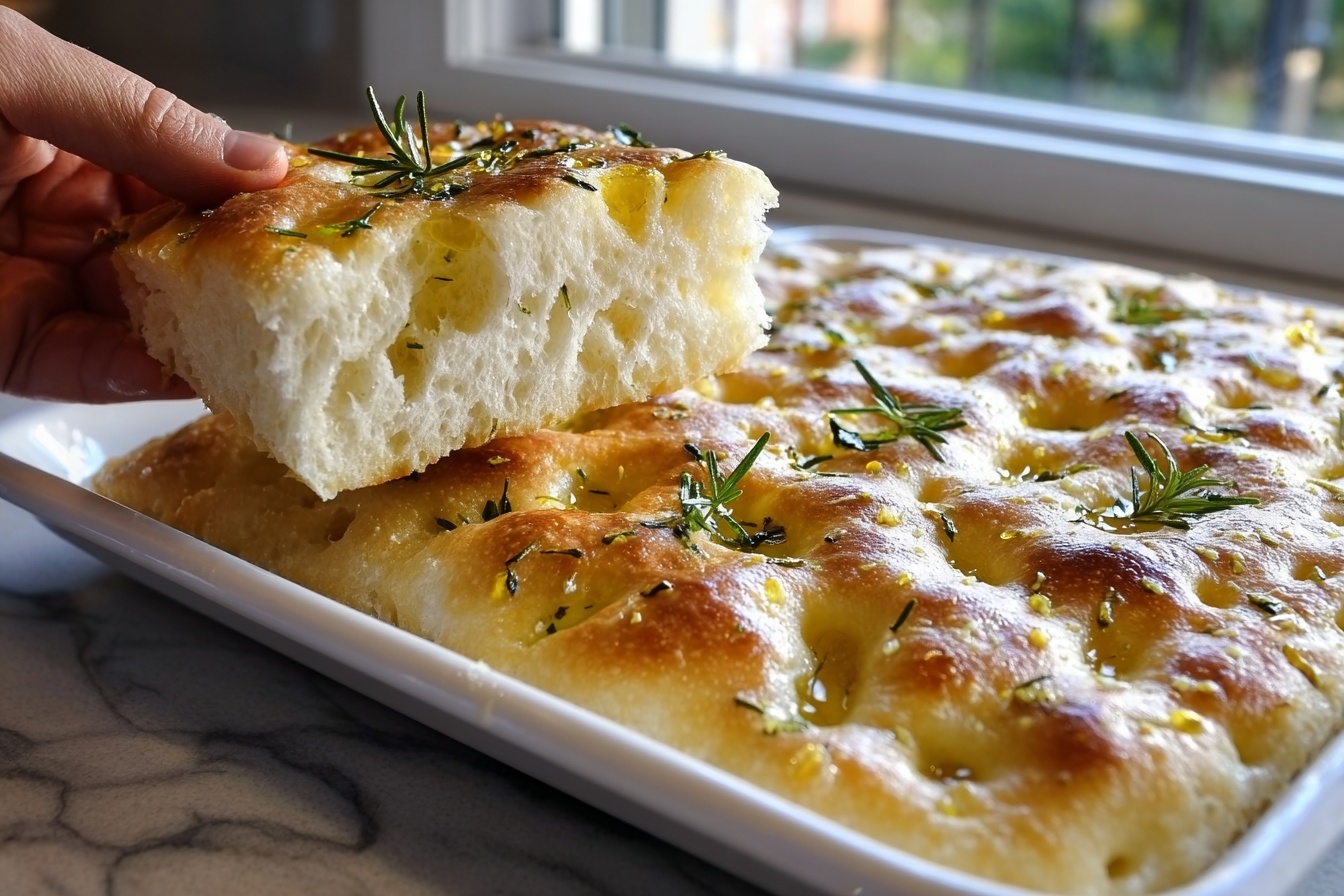
The irresistible aroma of warm olive oil mingled with golden, crisp bread fills your kitchen—a true hallmark of authentic Italian comfort. Imagine the soft, pillowy texture beneath your fingers as you dimple the dough, then the satisfying crunch as you tear into a fresh slice of homemade focaccia. This humble flatbread, with its perfect balance of salt and oil, elevates any meal or snack into a moment of pure joy. Ready to learn how to make focaccia step by step recipe that anyone can master?
Why You’ll Love This How To Make Focaccia Step By Step Recipe
- Deliciously Authentic: This focaccia boasts a crisp crust with a tender, airy interior, flavored simply yet wonderfully by extra virgin olive oil and sea salt.
- Simple Ingredients: Only pantry staples like all-purpose flour, instant yeast, olive oil, and warm water are needed—no complicated or hard-to-find items.
- Perfect for Sharing: Whether you bake a rectangular pan or round loaves, this recipe delivers bread perfect for sandwiches, dipping, or serving alongside your favorite meals.
- Impressive Presentation: The dimples filled with glistening olive oil and sprinkled sea salt create a rustic, eye-catching masterpiece that’s sure to impress.
- Customizable Toppings: From olives to herbs, this basic recipe invites you to get creative with your favorite flavors.
Why This How To Make Focaccia Step By Step Recipe Works
This focaccia recipe shines because it embraces classic techniques and fresh ingredients to achieve that perfect texture and flavor. Using instant yeast skips the need for proofing and speeds up the process while still allowing the dough to rise beautifully when given time in a warm spot. In addition, the generous dimpled surface, combined with drizzled extra virgin olive oil and coarse sea salt, locks in moisture and creates delightful crispy pockets on the crust. Baking at 425 degrees Fahrenheit ensures a golden bake that’s just right—soft inside, crisp outside. Together, these elements make this recipe a dependable favorite for novice and seasoned bakers alike.
Ingredients You’ll Need
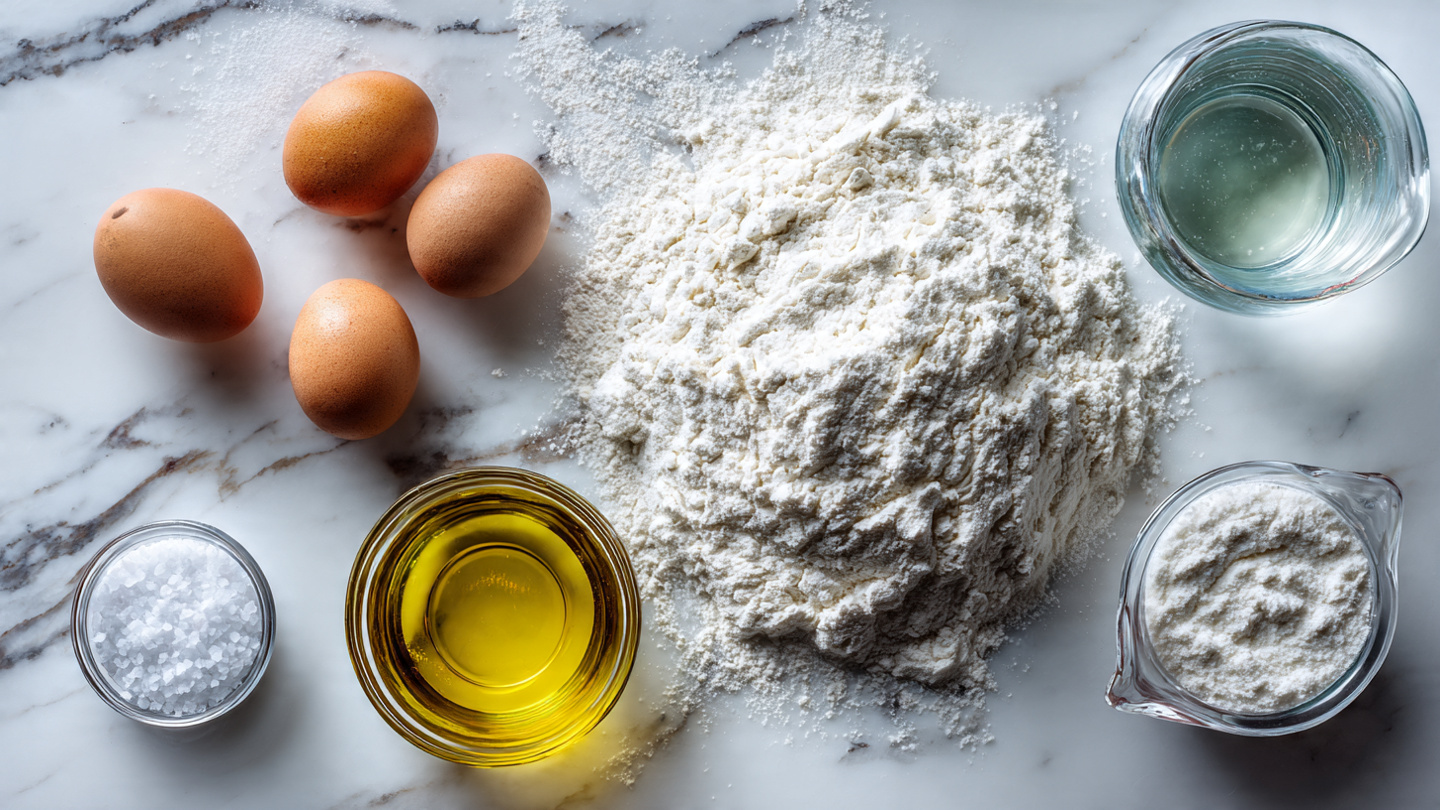
Gather simple, wholesome ingredients that come together like magic to create this golden Italian classic. The real star here is good quality olive oil, which lends richness and aroma from the very first step.
- 5 Cups All-purpose Unbleached Flour: The foundation for your focaccia, yielding a soft yet sturdy crumb.
- 2 Teaspoons Instant Yeast: Speeds up rising without fuss.
- 2 – 3 Tablespoons Extra Virgin Olive Oil (Plus 2 Additional Tablespoons To Oil Bowl): Adds moisture, flavor, and that irresistible finish.
- 1 Teaspoon Salt: Balances the flavors and enhances the bread’s natural taste.
- 2 Cups Warm Water: Activates the yeast and brings the dough together.
- Extra Virgin Olive Oil (for baking): To grease baking sheets and drizzle atop dough.
- Coarse Sea Salt: Adds crunch and bursts of savory flavor on the crust.
- Optional Toppings of Choice: Think olives, fresh herbs, or other favorites to personalize your focaccia.
Ingredient Substitutions & Tips
- All-purpose Flour: Can substitute with bread flour for a chewier texture—avoid tipo 00 flour as it can become tough over time.
- Instant Yeast: Active dry yeast works too, but proof it first in warm water to activate.
- Extra Virgin Olive Oil: Use your highest quality you can find for the best flavor, or a mild-flavored olive oil if preferred.
- Warm Water: Should be comfortably warm, not hot, or it may kill the yeast and prevent rising.
👨🍳 Pro Tips for Perfect Results
- Use warm water: This encourages gentle yeast activation without killing it, ensuring a good rise.
- Knead well: About 5 minutes on a floured surface builds the gluten network for that perfect dough texture.
- Oil generously: Both the bowl and baking pan should be well oiled to prevent sticking and add flavor.
- Dimples make all the difference: Pressing your fingertips deeply creates pockets that hold olive oil and sea salt perfectly.
- Let it rise well: Don’t rush the first or second rises; a warm spot speeds fermentation and produces that pillowy softness.
How to Make How To Make Focaccia Step By Step Recipe
Step 1: Measure Ingredients
Start by measuring and assembling your flour, oils, salt, yeast, and water. Having everything ready makes the process smooth and seamless, like a well-orchestrated symphony in your kitchen.
💡 Pro Tip: Use a kitchen scale if you want extra precision for baking perfection.
Step 2: Mix Dry Ingredients
In a large bowl, combine all the dry ingredients except the water, stirring gently so everything melds together with ease. This sets the stage for a lovely, consistent dough.
💡 Pro Tip: Mixing the yeast evenly with flour helps ensure even rising.
Step 3: Add Water Gradually
Add half of your warm water to the dry mix and stir. Watch as the dry mix begins to absorb the water, transforming from powdery to a shaggy mass.
💡 Pro Tip: Adding water slowly prevents the dough from becoming too sticky.
Step 4: Form Dough
Continue adding the remaining water bit by bit until the dough just starts to come together into a rough, shaggy ball—a tactile sign that the magic is in progress!
💡 Pro Tip: Stop adding water as soon as the dough clings together but is not wet.
Step 5: Knead Dough
Turn your shaggy dough onto a lightly floured surface and start kneading with the heels of your hands. This is where the dough gains strength and elasticity.
💡 Pro Tip: Knead for about 5 minutes until the dough feels smooth and pliant, not stiff.
Step 6: Oil Bowl and Dough
Spoon 2 tablespoons of olive oil into a large bowl and roll your ball of dough in it until every surface gleams with a delicate coat of oil. This prevents sticking and adds wonderful flavor.
💡 Pro Tip: Use a silicone spatula or your hands coated in oil for easy handling.
Step 7: First Rise
Cover the oiled dough with plastic wrap and place in a warm, draft-free spot. I like to top mine with a kitchen towel and rest it on a sunny windowsill. Let it sit until it doubles in size, somewhere between an hour and an hour and a half depending on your kitchen warmth.
💡 Pro Tip: A warm kitchen helps yeast activation but avoid overly hot areas that can kill it.
Step 8: Check Dough Softness
When you peek inside the bowl, the dough should look like a pillowy cloud, soft and puffed up, ready to move to the next stage.
💡 Pro Tip: Gently press the dough with your fingertip; it should spring back slowly.
Step 9: Prepare Baking Pan
Lightly oil a 13 x 9 inch baking sheet with sides, creating the perfect canvas for your classic rectangular focaccia.
💡 Pro Tip: Use just enough oil to coat the pan evenly—too little will cause sticking, too much will make the bottom greasy.
Step 10: Shape Dough in Pan
Carefully tip your risen dough into the prepared pan, pressing it down to deflate gently. Shape it evenly into the pan with your fingers until it fills the entire bottom surface.
💡 Pro Tip: Be gentle to maintain that airy texture but firm enough to get an even layer.
Step 11: Press Dough Evenly
Cover the dough with a kitchen towel and let it rise again, around 20 to 30 minutes, until it yields with little fingertip dimples.
💡 Pro Tip: This second rise adds fluffiness and lightness to your focaccia’s crumb.
Step 12: Dimple and Oil Dough
Using your fingertips, press deep dimples all over the dough’s surface. Then drizzle a generous amount of olive oil over the top, tilting the pan to let it seep into every indentation.
💡 Pro Tip: These dimples are what create that signature texture and help the focaccia stay moist underneath.
Step 13: Add Salt and Final Rise
Sprinkle coarse sea salt lavishly over the oiled dough, then allow the bread to rest for another 15 minutes while your oven preheats to 425 degrees Fahrenheit.
💡 Pro Tip: Don’t skip the sea salt; it gives bursts of salty crunch that elevate every bite.
Step 14: Bake Focaccia
Bake your focaccia for 20 to 25 minutes until the top turns a beautiful golden brown and the edges crisp up delightfully. Cool to room temperature before slicing to preserve texture.
💡 Pro Tip: Use a spatula to gently loosen the edges after baking for easy removal.
Optional Steps for Round Loaves:
If you prefer round loaves, divide the dough after the first rise into three equal parts (about 400g each), and shape them into 12-inch discs on cornmeal-coated baking sheets. Let these rise 20 to 30 minutes, dimple the tops, drizzle oil, sprinkle sea salt, and optionally add toppings like halved Kalamata olives. After a final 15-minute rise, bake as above until golden and crisp.
Common Mistakes to Avoid
Learn from these common pitfalls to ensure your focaccia turns out perfect every time:
- Using hot water: This can kill the yeast, preventing your dough from rising properly.
- Not kneading enough: Insufficient kneading will lead to dense, tough bread rather than light and airy.
- Skipping the oiling step: Without generous oiling, your dough might stick to the bowl or pan and lose flavor.
- Rushing the rises: Too short of a rise means less flavor and poor texture.
- Not dimpling the dough: This crucial step holds oil and prevents the bread from puffing unevenly during baking.
- Overloading with toppings: Too many heavy ingredients can weigh the dough down and prevent proper rising.
Delicious Variations to Try
Once you’ve mastered how to make focaccia step by step recipe with this classic base, the world is your oyster for flavor additions:
Herbed Garlic Focaccia
Add fresh rosemary, thyme, and minced garlic into the dough or sprinkle atop with olive oil before baking for a fragrant herbal twist.
Olive and Sundried Tomato
Scatter pitted black or Kalamata olives and diced sundried tomatoes on the dough’s surface before the final rise, adding Mediterranean depth.
Caramelized Onion and Thyme
Top with sweet caramelized onions and fresh thyme leaves for a rich, savory touch that pairs beautifully with cheeses.
Za’atar Spiced Focaccia
Sprinkle za’atar seasoning over the top with olive oil for an exotic, tangy flavor that’s perfect for dipping.
Parmesan and Black Pepper
Finish your focaccia with a light dusting of grated Parmesan cheese and freshly ground black pepper for a cheesy, peppery kick.
How to Serve How To Make Focaccia Step By Step Recipe
Garnishes
Enhance your focaccia with fresh herbs like rosemary or basil just before serving, or drizzle a little more extra virgin olive oil for gloss and aroma.
Side Dishes
Pair your focaccia with hearty soups, fresh salads, or dips like hummus or baba ganoush for a complete and satisfying meal.
Creative Ways to Present
Cut into rustic squares or wedges and serve on a wooden board with small bowls of olive oil and balsamic vinegar for dipping. Arrange slices in a basket lined with a colorful cloth for an inviting table centerpiece.
Make Ahead and Storage
Make-Ahead Instructions
You can prepare your focaccia dough the day before, letting it rise slowly overnight in the fridge, which also develops a rich flavor. Just shape and bake when ready.
Storage
Keep your focaccia wrapped tightly at room temperature for 2 days. For longer freshness, refrigerate wrapped in foil or plastic wrap up to 5 days.
Freezing
Freeze cooled focaccia wrapped in foil or airtight bags for up to 3 months. Thaw at room temperature before reheating.
Reheating
Rewarm slices in a hot oven (350°F) for 5-10 minutes to restore crispness, or toast gently for a quick snack.
Expert Tips for Success
- Always use high-quality olive oil: It makes a huge difference in flavor and texture.
- Control your water temperature: Too hot or cold can affect yeast performance.
- Don’t over-knead: Just enough to develop the gluten for elasticity.
- Allow proper rises: Patience during rising is essential for airy bread.
- Dimple generously: Creates those delightful olive oil pockets classic to focaccia.
- Bake on the middle rack: Ensures even heat and a perfectly crisp crust.
- Let it cool before slicing: Prevents crumb collapse and preserves texture.
Frequently Asked Questions
Can I use bread flour instead of all-purpose flour?
Yes, bread flour will give a chewier texture if you prefer, but the all-purpose flour recommended yields a nicely balanced crunch and crumb.
Do I have to proof the instant yeast?
No, instant yeast is designed to be mixed directly with dry ingredients, saving you a step and still ensuring a good rise.
What’s the best way to store leftover focaccia?
Wrap it tightly and keep at room temperature for short-term or refrigerate to extend freshness.
Can I add toppings like cheese or veggies?
Yes! Just add them after dimpling and oiling but avoid overloading the dough to keep it from getting heavy.
Why isn’t my dough rising?
This is usually due to water being too hot (killing yeast) or too cold (inactive yeast). Make sure the water is warm but not hot, and avoid drafts during the rise.
How can I make thicker or thinner focaccia?
For thicker bread, allow the dough to rise three times; for thinner and crispier crust, limit it to two rises and bake soon after oiling.
Can I make this gluten-free?
This recipe relies on gluten for structure, so it is not suitable for gluten-free diets without special flour blends and adjustments.
Final Thoughts
There is something truly wonderful about pulling a warm, golden focaccia fresh from your oven—the crispy edges, the tender crumb, and that irresistible olive oil aroma filling your home. This how to make focaccia step by step recipe brings not only incredible flavor but also the joy of crafting something special with your own hands. Whether you’re baking it for a family meal or sharing it with friends, it’s sure to become a cherished staple in your kitchen. So roll up your sleeves, have fun dimpling that dough, and savor each bite of this truly authentic Italian treasure!
PrintHow To Make Focaccia Step By Step Recipe

This easy and versatile Italian focaccia recipe guides you step-by-step to make a flavorful flatbread with a crisp crust and tender interior using basic ingredients like flour, water, olive oil, salt, and yeast.
- Prep Time: 20 minutes
- Cook Time: 25 minutes
- Total Time: 3 hours
- Yield: Makes 1 (13 x 9 Inch) Rectangular Pan, or 3 (10 – 12 Inch) Round Loaves 1x
- Category: Bread
- Method: Baking
- Cuisine: Italian
- Diet: Vegetarian
Ingredients
Basic Focaccia Dough
- 5 cups All-purpose Unbleached Flour
- 2 Teaspoons Instant Yeast
- 2 – 3 Tablespoons Extra Virgin Olive Oil (Plus 2 Additional Tablespoons To Oil Bowl)
- 1 Teaspoon Salt
- 2 cups Warm Water
For Baking
- Extra Virgin Olive Oil
- Coarse Sea Salt
- Optional Toppings of Choice
Instructions
- Measure and assemble your flour, oil, salt, yeast, and water.
- Add everything but the water into a large bowl and stir.
- Add half the water and stir.
- Continue to add water until the dough begins to come together into a shaggy ball.
- Dump the dough mixture onto a lightly floured surface surface and begin to knead with the heels of your hand.
- Knead for about 5 minutes, or until the dough is smooth and pliant.
- Add a little oil (2 tablespoons) to the bottom of a large bowl and place your ball of dough inside. Roll the ball around in the oil, ensuring the sides of the bowl, and ball of dough are both lightly oiled.
- Cover your bowl with plastic wrap and place in a warm spot to rise. I cover mine with a kitchen towel on top of the plastic wrap and sit it on a large sunny windowsill. Let the dough rise until it is doubled in size, about an hour or an hour and a half depending on ambient temperature.
- You can see how pillowy and soft the dough becomes.
- To make a large rectangular focaccia, lightly oil a 13 X 9 inch baking sheet with sides.
- Dump your risen dough into the pan punching it down to deflate it.
- Use your fingers to push and press the dough evenly over the bottom of the pan. Cover with a kitchen towel and let rise for another 20 or 30 minutes or until the dough dimples when pushed with your fingertip.
- Use the tips of your fingers to dimple the entire top of the focaccia. Drizzle olive oil over the top turning the pan carefully to allow the oil to roll into the indentations.
- Sprinkle coarse sea salt over the top of your focaccia and then let it sit and rise for another 15 minutes while you preheat your oven to 425 degrees F.
- Bake for 20 to 25 minutes until golden brown. Cool to room temperature before slicing.
- To make round loaves, divide your ball of dough after the first rise into three equal parts. I actually weigh mine and these balls weighed 400g (About 14 ounces) each.
- Sprinkle cornmeal over three baking sheets. Take one ball art a time and use your hands to begin to press into a flat disc.
- Use the heel of your hand pushing from the center out, turning the circle of dough as you go until you create a circle about 12 inches across. Place each round on a prepared baking sheet, cover with kitchen towels and let rise for 20 to 30 minutes until soft.
- Dimple the dough with fingers as shown with the rectangular focaccia above, drizzle with olive oil, sprinkle with sea salt, and add any additional toppings you prefer. Above I used halved, pitted Kalamata olives. Let prepared dough sit and rise for another 15 minutes while you preheat your oven to 425 degrees F. Bake for about 20 minutes until golden brown. Cool to room temperature before slicing.
Notes
- Use plain all-purpose flour or tipo 0 flour for better texture over tipo 00 flour.
- Use instant active dry yeast (Saf-instant recommended) that can be added directly without proofing.
- Use warm (not hot) water to promote early rising without killing yeast.
- Create lots of dimples in the dough and drizzle olive oil into them before baking to get a flavorful, crisp crust and tender interior.
- For thicker focaccia, allow the dough to rise three times; for thinner, crisp focaccia, let it rise twice and bake immediately after drizzling olive oil.
- Use coarse sea salt and extra virgin olive oil on top before baking.