
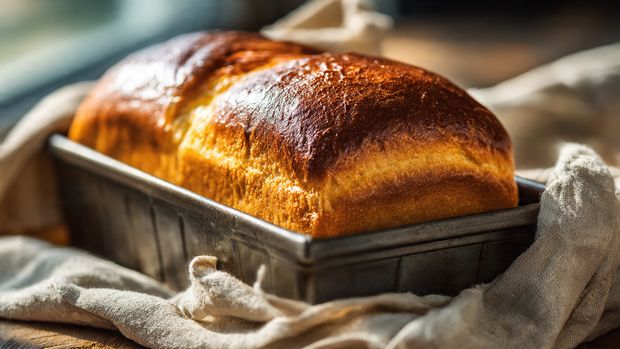
If you have ever dreamed of biting into a warm, soft, and comforting loaf straight from your oven, then this Homemade White Bread Recipe is going to change your baking game forever. It’s that classic, tender loaf with a golden crust and a cloud-like crumb, perfect for everything from sandwiches to simple buttered toast. What makes this recipe so remarkable is how approachable it is, using simple pantry staples while still delivering bakery-quality results. Whether you’re new to bread baking or a seasoned pro, this recipe will fill your kitchen with irresistible aromas and your heart with a delicious sense of accomplishment.
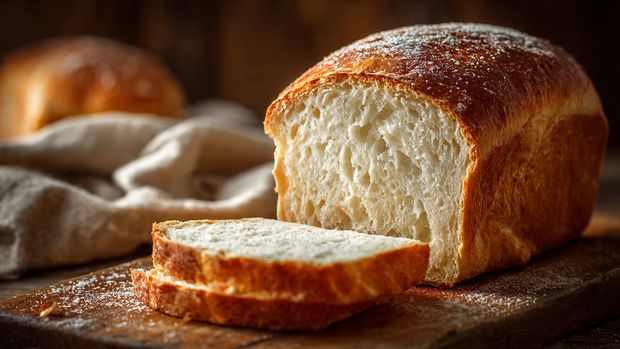
Ingredients You’ll Need
Gathering the right ingredients is half the joy of baking this bread. Each component plays a crucial role in achieving that perfect texture, flavor, and color that make this bread so memorable. The combination is simple, reliable, and thoughtfully balanced to create a beautifully soft, golden loaf.
- Lukewarm water: Divided to activate the yeast and help the dough develop a tender crumb.
- Instant yeast: Speeds up fermentation and gives the bread its rise—active dry yeast works if you prefer.
- Sugar: Feeds the yeast and adds just a touch of sweetness.
- Honey: Enhances flavor and helps with crust color, though you can substitute more sugar if needed.
- Salt: Balances the sweetness and strengthens the dough’s structure.
- Unsalted butter: Adds richness and moisture, using both cubed and melted forms for different effects.
- All-purpose flour: The foundation of the dough, providing structure and that wonderfully soft, chewy texture.
How to Make Homemade White Bread Recipe
Step 1: Activating the Yeast
Start by combining the instant yeast, sugar, and half of the lukewarm water in the bowl of your stand mixer fitted with a dough hook. Let the mixture sit for 5 to 10 minutes until it becomes foamy, which signals the yeast is alive and ready to work its magic. If you’re using active dry yeast, just give it a little more time — about 15 minutes — to bloom properly.
Step 2: Mixing the Dough
Once the yeast is activated, add the remainder of the lukewarm water, honey, salt, cubed butter, and 4 cups of flour right into the bowl. Start kneading on low speed until the dough begins to pull together and feels soft but not sticky. If it’s too wet, sprinkle in extra flour a tablespoon at a time. Keep kneading for about 6 to 9 minutes until the dough is smooth, elastic, and cleans the sides of the bowl effortlessly.
Step 3: First Rising
Transfer your dough to a lightly greased bowl, ensuring it’s completely coated in oil to prevent drying out. Cover the bowl tightly with plastic wrap and place it in a warm, draft-free spot to rise until it doubles in size—this usually takes about 45 minutes. This rise develops flavor and gives the bread its lift.
Step 4: Shaping the Loaves
Lightly flour your work surface and gently turn the dough out. Divide it into two equal pieces and carefully pat each into an 8 by 12 inch rectangle. Press softly to release any air pockets, then tightly roll each rectangle starting at the shorter end. Pinch the seams closed and tuck the ends underneath to build tension on the surface for a tight, uniform loaf. Place each loaf seam side down into greased 8 by 4 inch loaf pans, cover again with greased plastic wrap, and let them rise for another 45 minutes until doubled again.
Step 5: Baking
Preheat your oven to 390 degrees Fahrenheit, and adjust the oven rack to the lower-middle position to promote even baking. Slide the loaves into the oven and bake for 25 to 30 minutes until the crust turns a gorgeous golden brown and the internal temperature reaches 208 to 210 degrees. This ensures the bread is cooked through and perfectly tender.
Step 6: Cooling and Finishing Touches
Once baked, invert the loaves onto a cooling rack to prevent soggy bottoms and allow air circulation. Then flip them back upright and brush the tops and sides with melted butter. This not only adds a beautiful sheen but also a delicate richness to the crust. Let the bread cool completely before slicing so the crumb sets beautifully.
How to Serve Homemade White Bread Recipe
Garnishes
A modest flourish can elevate your bread serving. Try brushing fresh butter or a garlic herb butter blend on warm slices to create instant crowd-pleasers. Sprinkling seeds like sesame, poppy, or flax on the crust before baking can also add color and a delightful crunch.
Side Dishes
This bread pairs wonderfully with soups, stews, and hearty salads, making it an essential side that complements a range of flavors and textures. It’s a perfect base for thick, creamy chowders or a fresh, garden vegetable soup where you can soak up every last drop.
Creative Ways to Present
Think beyond plain slices by making sandwiches with colorful, fresh veggies and quality deli meats, or transform your loaf into buttery toast topped with avocado, radishes, and a sprinkle of sea salt. You can even hollow out the loaf and use it as an edible bowl for dips or creamy spreads for a playful presentation that guests will adore.
Make Ahead and Storage
Storing Leftovers
Keep your homemade white bread fresh by storing it in a cool, dry place wrapped in a clean kitchen towel or a breathable bread bag. This helps maintain the crust’s texture while keeping the interior soft. It’s best enjoyed within 2 to 3 days for optimal freshness.
Freezing
If you want to save the bread for longer, slice it first and place the slices in an airtight freezer bag. This prevents freezer burn and makes it easy to take out as many slices as you need. Frozen bread slices can keep well for up to 3 months without losing their wonderful flavor and texture.
Reheating
For a fresh-baked feel after storage, toast your slices directly from frozen or reheat them in a preheated oven at 350 degrees Fahrenheit for about 10 minutes wrapped in foil. Brushing with a little butter before reheating can revive that tender crust and soft, pillowy crumb perfectly.
FAQs
Can I use active dry yeast instead of instant yeast?
Absolutely! The recipe works just as beautifully with active dry yeast. Just remember to give it about 15 minutes to bloom in the water and sugar mixture before proceeding with the dough. This extra time ensures the yeast is fully activated for a great rise.
What is the best flour to use for this bread?
All-purpose flour is ideal because it strikes a nice balance between protein content and softness, yielding a tender crumb but still a sturdy loaf. You can experiment with bread flour for a chewier texture, but all-purpose flour is perfect for this Homemade White Bread Recipe’s classic softness.
How do I get a perfect crust every time?
Brushing the loaves with melted butter right after baking adds both flavor and a subtle shine to the crust. Also, baking the bread on the lower-middle rack helps with even browning. Avoid opening the oven frequently during baking to maintain consistent heat.
Can I add extra ingredients like herbs or seeds?
Definitely! Adding herbs like rosemary or thyme to the dough infuses a lovely aroma. Sprinkling seeds on top before baking adds texture and visual appeal. Just be sure not to overload your dough so it still rises well and maintains that soft bite.
How long does the dough need to rise?
Each rise takes about 45 minutes in a warm and draft-free environment until the dough doubles in size. This is crucial for building that light, airy texture so don’t rush—good things come to those who wait.
Final Thoughts
This Homemade White Bread Recipe is a true kitchen treasure that brings comfort and joy with every loaf. It’s easy to make, rewarding, and wonderfully versatile, filling your home with nostalgic warmth. I encourage you to give it a try—you might just find that fresh-baked, homemade bread becomes an everyday delight for you and everyone at your table.
PrintHomemade White Bread Recipe

This classic white bread recipe yields two soft, golden loaves with a tender crumb and a slightly sweet flavor from honey and sugar. Perfect for sandwiches or toasting, the bread is made with simple ingredients and uses a stand mixer for easy kneading, then baked to golden perfection in the oven.
- Prep Time: 30 minutes
- Cook Time: 30 minutes
- Total Time: 2 hours 15 minutes
- Yield: 2 loaves (8×4 inch pans) 1x
- Category: Bread
- Method: Baking
- Cuisine: American
Ingredients
Dough Ingredients
- 1 ⅔ cups lukewarm water (divided)
- 2 ¼ teaspoons instant yeast (or active dry yeast)
- 1 teaspoon sugar
- 1 tablespoon honey (or more sugar)
- 1 teaspoon salt
- 1 ½ tablespoons unsalted butter (cubed at room temperature)
- 4 ½ cups all-purpose flour (divided)
Finishing
- 1 ½ tablespoons butter (melted for brushing)
Instructions
- Activate Yeast: In the bowl of a stand mixer fitted with the dough hook, combine the instant yeast, sugar, and half of the lukewarm water. Let it sit for 5-10 minutes until foamy; if using active dry yeast, allow 15 minutes.
- Mix and Knead Dough: Add the remaining water, honey, salt, cubed butter, and 4 cups of flour to the bowl. Knead on low speed until the dough comes together and is soft but not sticky, adding a few tablespoons of the remaining flour if needed. Continue kneading for 6 to 9 minutes until smooth and pulling away from the bowl.
- First Rise: Transfer the dough to a lightly greased bowl and coat it well. Cover with plastic wrap and let it rise in a warm, draft-free environment for about 45 minutes, or until doubled in size.
- Shape the Loaves: Lightly flour a work surface and turn out the dough. Divide into two equal portions and gently pat each into an 8×12 inch rectangle. Roll each rectangle tightly from the short end, pinch the seams, and tuck the ends underneath. Place each loaf seam side down into greased 8×4 inch loaf pans. Cover with greased plastic wrap and let rise again for 45 minutes until doubled.
- Preheat Oven: Set your oven to 390°F (200°C) and place the rack in the lower-middle position.
- Bake: Bake the loaves for 25 to 30 minutes, or until golden brown and the internal temperature registers 208 to 210°F (97 to 99°C).
- Cool and Finish: Remove the loaves from pans, invert onto a cooling rack, then reinvert. Brush the tops and sides with melted butter. Allow the bread to cool completely before slicing.
Notes
- Use lukewarm water (about 100-110°F) to properly activate the yeast without killing it.
- If using active dry yeast, allow extra time for proofing before mixing the dough.
- Ensure dough is kneaded until smooth and elastic to develop gluten for a good rise and structure.
- For best results, allow dough to rise in a warm, draft-free area to encourage proper fermentation.
- Brushing with melted butter after baking adds flavor and keeps the crust soft.
- The internal temperature of 208-210°F ensures the bread is fully baked without drying it out.