
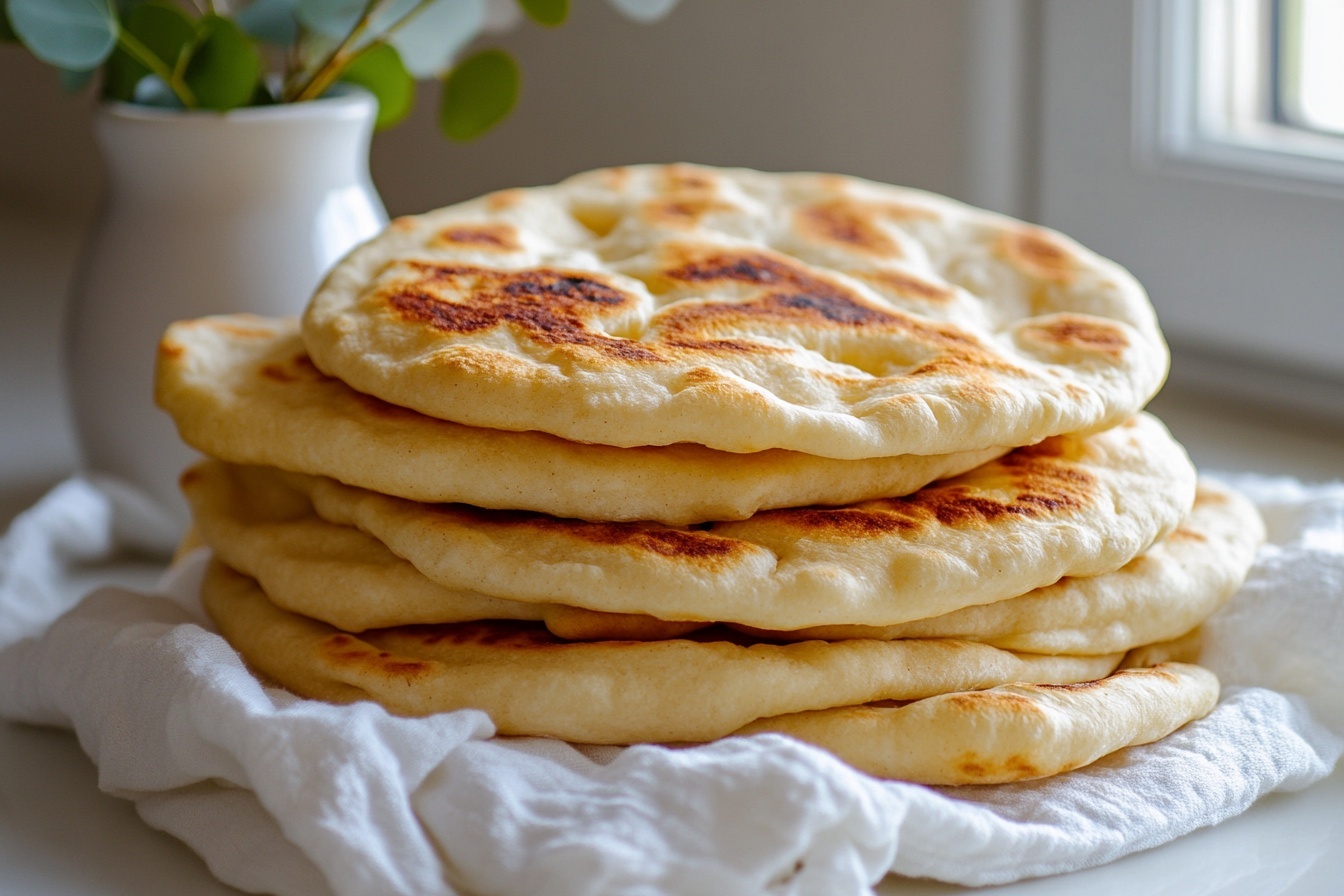
Picture this: the gentle warmth of fresh bread straight from a hot skillet, the inviting aroma of olive oil mingling with a hint of sweetness from yeast, all promising a soft, pillowy delight perfect for your favorite gyro fillings. This Gyro Bread Recipe not only tantalizes your senses but also brings a little Mediterranean sunshine right to your kitchen, with simple ingredients and a friendly technique that anyone can master.
Why You’ll Love This Gyro Bread Recipe
- Soft and Flavorful: Each pita emerges tender and warm, boasting that perfect balance of chewiness and lightness that makes every bite delightful.
- Simple Ingredients: Made from pantry staples like warm water, sugar, active dry yeast, and olive oil—no fancy or hard-to-find items needed.
- Ideal for Any Occasion: Whether you’re whipping up a quick family dinner or impressing guests, this recipe fits the bill brilliantly.
- Stovetop Cooking: Skipping the oven, you’ll cook these pitas on a skillet, which brings a wonderful golden char and saves energy.
- Customizable Portions: With six individual pitas per batch, you can scale up or save some for later with ease.
Why This Gyro Bread Recipe Works
This Gyro Bread Recipe shines thanks to the gentle activation of yeast in warm water, which creates a foamy, lively base for the dough. Adding olive oil introduces a subtle richness that keeps the pitas moist. The short kneading time ensures the dough becomes smooth and elastic without overworking it, preserving a light texture. Proofing the dough in a warm spot helps it rise beautifully, leading to soft, puffed pitas. Cooking on a hot cast iron skillet gives each bread those irresistible golden spots that hint at a satisfying bite.
Ingredients You’ll Need
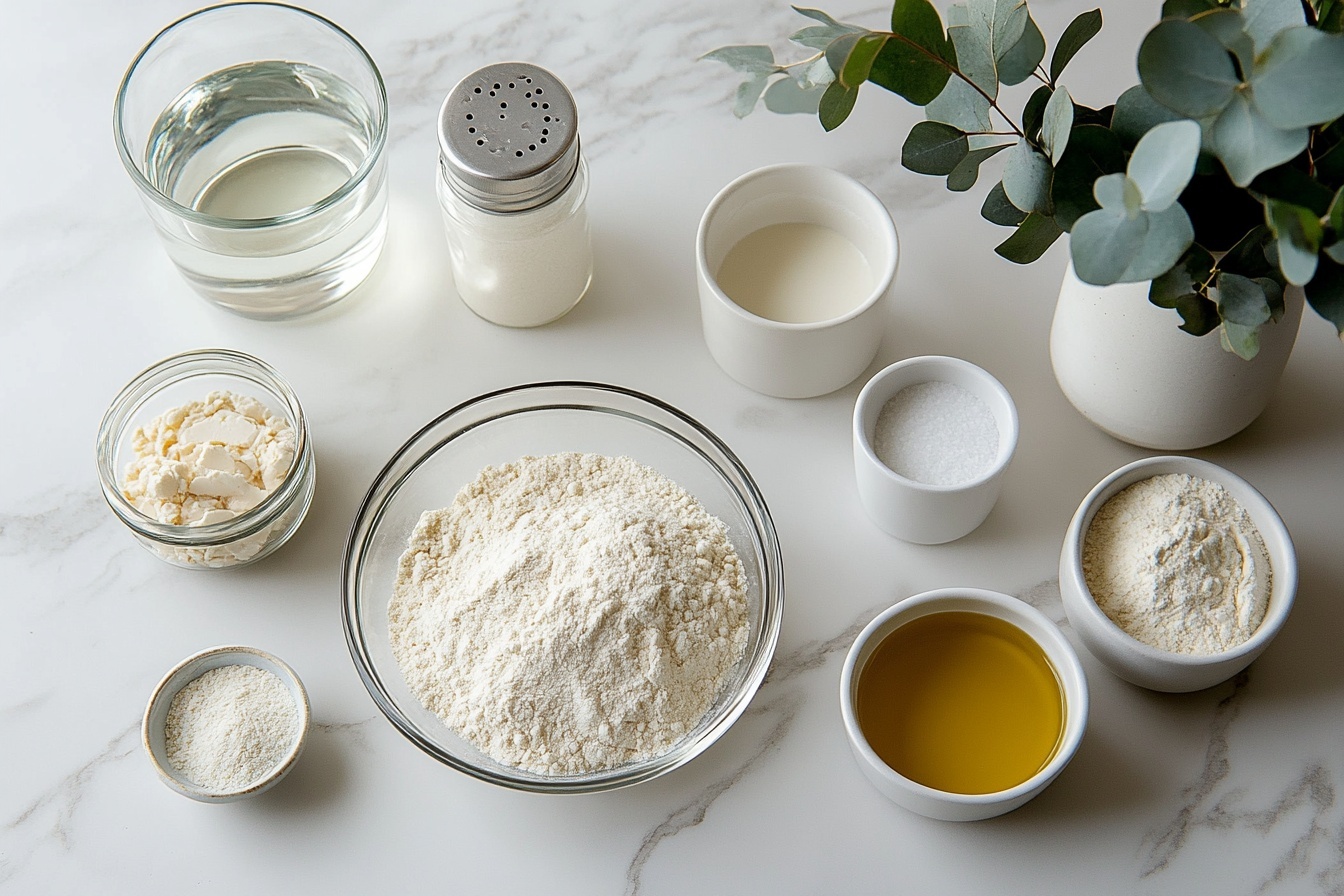
Gather your ingredients and get ready to transform simple kitchen staples into delicious Mediterranean bread. Each component plays a vital role in making these pitas soft, flavorful, and just right for stuffing.
- 1 1/2 cups warm water (about 105°F): The perfect temperature to wake up the yeast without scorching it.
- 1 1/2 teaspoons sugar: A little sweetness to feed the yeast and help the bread rise.
- 1 1/2 teaspoons active dry yeast: This magical ingredient gives life and fluff to the dough.
- 3 cups all-purpose flour: The sturdy foundation that creates the bread’s structure and chew.
- 1 1/2 teaspoons salt: Balances flavor and helps strengthen the dough.
- 1 tablespoon olive oil (plus extra for brushing): Adds richness and keeps the bread tender and golden.
Ingredient Substitutions & Tips
- Active dry yeast: You can swap with instant yeast, just reduce the water slightly as instant yeast doesn’t need to be dissolved first.
- All-purpose flour: Whole wheat flour can be used for a nuttier flavor but use 2 ½ cups whole wheat with ½ cup all-purpose to maintain lightness.
- Olive oil: Any mild vegetable oil works, but extra virgin olive oil adds a lovely depth.
- Sugar: Honey is an elegant alternative that also helps yeast activation and adds subtle complexity.
👨🍳 Pro Tips for Perfect Results
- Use warm water carefully: Test with your wrist to ensure it’s warm, not hot, to protect the yeast.
- Don’t rush the proofing: Let the dough double in size to ensure soft, airy pitas.
- Lightly flour surfaces: This prevents sticking but don’t add too much or the dough gets tough.
- Skillet temperature: Medium heat works best to get golden spots without burning.
- Wrap pitas immediately: Keep cooked pitas wrapped in a towel for softness and warmth.
How to Make Gyro Bread Recipe
Step 1: Activate yeast
Kick off by combining warm water, sugar, and active dry yeast in a large bowl. Stir gently and watch as in about 5 minutes the surface becomes delightfully foamy, confirming the yeast is alive and ready to work its magic.
💡 Pro Tip: If your yeast doesn’t foam, your water may be too hot or old yeast might be the culprit—start fresh for best results.
Step 2: Make dough
Next, add flour, salt, and olive oil to your yeast mixture. Mix everything together using a wooden spoon or your hands until a shaggy mass forms. Then, transfer to a lightly floured surface and knead with rhythm for 3 to 4 minutes until your dough feels smooth and springs back when poked.
💡 Pro Tip: Your dough should be tacky but not sticky; adjust with tiny flour bits as needed.
Step 3: Proof dough
Place your dough ball in a lightly oiled bowl, cover it with a clean cloth, and let it rest in a warm spot. Around 30 minutes later, it will have doubled in size, fluffy and ready for shaping. If you’re lucky to have a proofing function on your oven, use it to speed this step with consistent warmth.
💡 Pro Tip: Avoid drafts during proofing as they can slow yeast activity.
Step 4: Shape dough
Gently punch down the dough to release the air, then divide it evenly into 6 pieces. Shape each into a smooth ball, preparing them for transformation into the perfect pitas.
💡 Pro Tip: Keeping the dough balls round will help they puff better when cooking.
Step 5: Form and cook pitas
On a lightly floured surface, stretch or roll each ball into a roughly 6-inch circle. Heat a cast iron skillet over medium heat, brushing it lightly with olive oil for that irresistible flavor and to prevent sticking. Cook each pita for 2 to 3 minutes on each side until golden spots appear, flipping carefully.
💡 Pro Tip: Don’t press down on the pita while cooking; let it puff naturally for that signature pocket.
Step 6: Serve
Once cooked, gather the warm pitas and wrap them in a clean towel to keep soft and warm while you finish the batch. Serve immediately stuffed with your favorite gyro fillings or store for later enjoyment.
💡 Pro Tip: Wrapping pitas right away locks in their moisture and keeps them tender.
Common Mistakes to Avoid
Learn from these common pitfalls:
- Using water that’s too hot: This kills the yeast, preventing dough from rising.
- Skipping the proofing time: Without rest, pitas will be dense and less flavorful.
- Over-flouring the dough: Leads to overly tough bread rather than light and chewy.
- Cooking at too high heat: Burns the bread before it cooks through.
- Pressing down the pitas while cooking: Stops them from puffing up, which is the signature pocket look.
- Not wrapping cooked pitas immediately: They can dry out and become tough quickly.
Delicious Variations to Try
Once you’ve mastered this Gyro Bread Recipe, try out these creative twists to keep your breakfasts and meals exciting and fresh:
Herb-Infused Pitas
Add finely chopped fresh rosemary or thyme into the dough for an aromatic lift that pairs beautifully with grilled meats and veggies.
Garlic Olive Oil Pitas
Brush the pitas with garlic-infused olive oil as they cook for a punch of flavor that’s perfect for dipping into hummus or tzatziki.
Whole Wheat Twist
Swap half the all-purpose flour for whole wheat to add nuttiness and fiber, creating a wholesome bread with a touch of earthiness.
Spicy Za’atar Pitas
Sprinkle za’atar spice on the dough circles before cooking for a zesty Middle Eastern flair that pairs wonderfully with gyro fillings.
Sesame Seed Topped Pitas
Press sesame seeds onto the dough before cooking to add a delightful crunch and nutty aroma enhancing every bite.
How to Serve Gyro Bread Recipe
Garnishes
Fresh herbs like parsley or mint, a drizzle of rich tahini, or a sprinkle of sumac elevate your gyro bread experience.
Side Dishes
Serve your pitas alongside vibrant Greek salads, creamy hummus, or warm falafel for a complete Mediterranean spread.
Creative Ways to Present
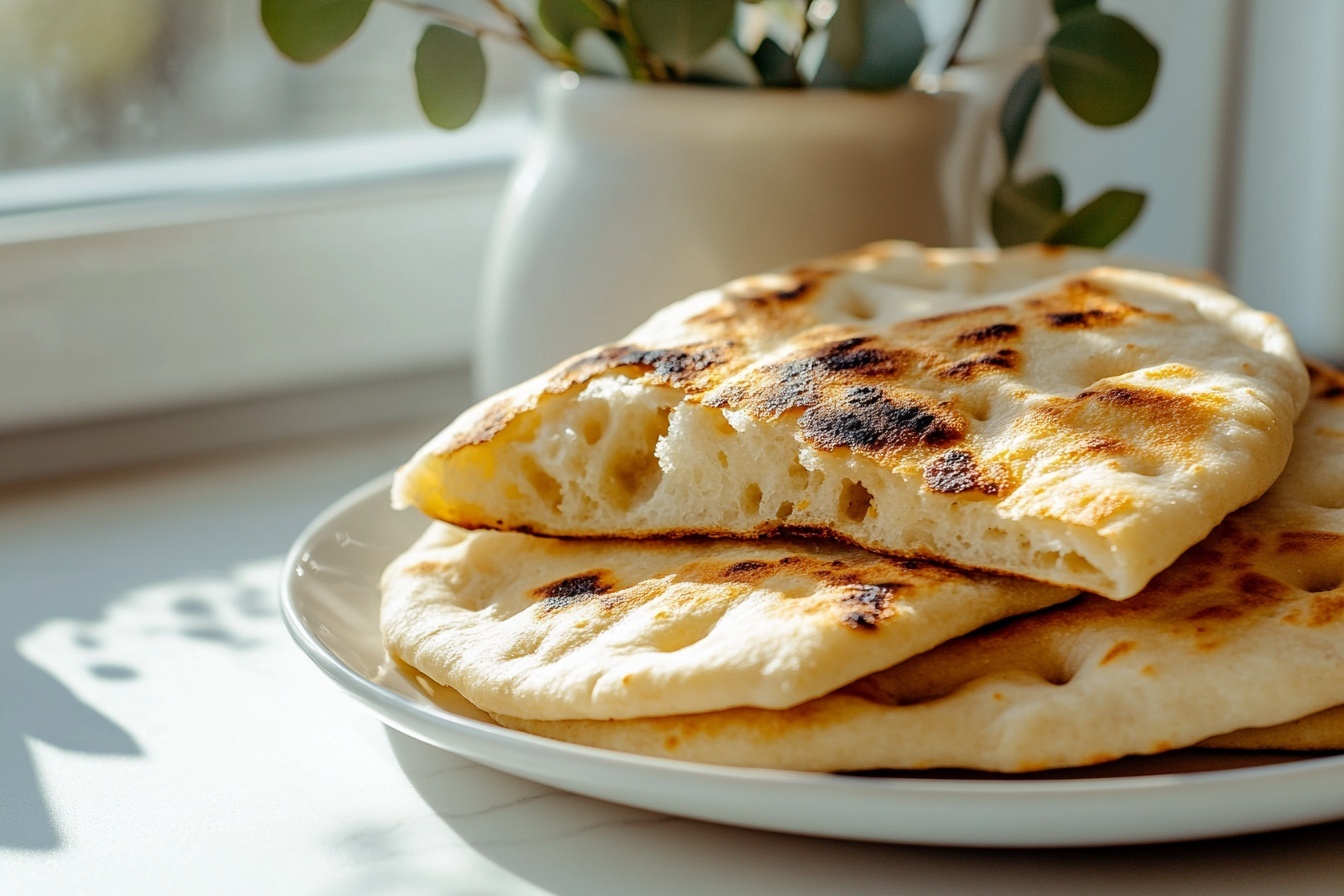
Cut pockets open and fill with strips of marinated chicken or lamb, fresh tomatoes, cucumber slices, and cooling tzatziki to wow at your next family meal or gathering.
Make Ahead and Storage
Make-Ahead Instructions
You can prepare the dough in advance and allow it to proof in the refrigerator overnight. Bring it to room temperature before shaping and cooking to preserve the fluffy texture.
Storage
Store cooked pitas wrapped tightly in a plastic bag or airtight container at room temperature for up to 2 days.
Freezing
Wrap pitas individually in plastic wrap and freeze in a resealable bag for up to 3 months. Thaw at room temperature before reheating.
Reheating
Warm frozen or day-old pitas in a hot skillet for 30 seconds per side or wrapped in foil in a preheated oven to revive softness and warmth.
Expert Tips for Success
- Measure flour carefully: Too much flour can dry out the dough, so spoon and level rather than scooping.
- Use quality olive oil: It makes a noticeable difference in flavor and texture.
- Maintain consistent dough temperature: This helps yeast function optimally during rising.
- Let pitas rest wrapped: This preserves moisture and keeps them soft for longer.
- Practice gentle kneading: Encourages gluten development without toughening the dough.
- Skillet size matters: Use a heavy skillet to retain heat evenly for golden pitas.
- Keep your kitchen warm during proofing: A cozy environment helps the dough rise beautifully.
Frequently Asked Questions
Can I use instant yeast instead of active dry yeast?
Yes, instant yeast can be used, but reduce the water slightly and mix it directly with flour instead of proofing in water.
Why aren’t my pitas puffing up?
Ensure your dough is well-proofed and you’re cooking them on a hot enough skillet without pressing down on them.
Can I use whole wheat flour for this recipe?
Absolutely! Substitute half of the all-purpose flour with whole wheat for a heartier flavor and texture.
How do I store leftover Gyro Bread?
Keep them in an airtight container or plastic bag at room temperature for a couple of days or freeze for longer storage.
Is this Gyro Bread Recipe suitable for a vegetarian diet?
Yes, it is completely vegetarian and pairs well with a variety of veggie or meat fillings.
Can I bake these pitas in the oven instead of the skillet?
While traditionally cooked on the stovetop, you can bake pitas in a hot oven, though the texture might differ slightly.
What is the best way to reheat Gyro Bread?
Reheat gently on a skillet or wrapped in foil in the oven to restore their soft texture.
Final Thoughts
Making your own pita bread with this Gyro Bread Recipe brings warmth, fresh flavors, and a hands-on joy that transforms any meal into a Mediterranean celebration. With nothing but simple ingredients and a little love, you’ll have beautiful, soft pitas perfect for stuffing with your favorite fillings. Whether it’s a family dinner or a casual gathering, this recipe invites you to slow down, enjoy the process, and savor every bite fresh from your own kitchen.
PrintGyro Bread Recipe
This Gyro Bread recipe yields soft, warm pitas perfect for stuffing with your favorite gyro fillings. Made from simple ingredients and cooked on a skillet, these homemade pitas are rustic, flavorful, and easy to prepare.
- Prep Time: 10 minutes
- Cook Time: 12 minutes
- Total Time: 57 minutes
- Yield: 6 servings 1x
- Category: Bread
- Method: Stovetop
- Cuisine: Mediterranean
- Diet: Vegetarian
Ingredients
Ingredients
- 1 1/2 cups warm water (about 105°F)
- 1 1/2 teaspoons sugar
- 1 1/2 teaspoons active dry yeast
- 3 cups all-purpose flour
- 1 1/2 teaspoons salt
- 1 tablespoon olive oil (plus extra for brushing)
Instructions
- Combine yeast mixture: In a large bowl, add the warm water, sugar, and yeast. Gently stir and let rest for 5 minutes or until the water becomes foamy from the yeast.
- Make dough: Add the flour, salt, and olive oil, then mix with a wooden spoon or your hands until a shaggy dough forms. Transfer the dough to a lightly floured surface and knead for 3-4 minutes, until smooth and elastic.
- Let dough rise: Place the kneaded dough in a lightly oiled bowl, cover with a cloth, and let it rest in a warm spot for 30 minutes or until doubled in size. If your oven has a bread proofing function, you can put your bowl in the oven on that setting to proof the dough.
- Divide and shape: Punch the dough down and divide it into 6 equal pieces, shaping each into a smooth ball.
- Form and cook pitas: On a lightly floured surface, stretch and press each dough ball into a 6-inch circle. Use a rolling pin to make more uniform pitas or just your hands for a rustic look. Heat a cast iron skillet over medium heat and lightly brush with olive oil. Cook each pita for 2-3 minutes on each side, flipping periodically until golden brown spots appear.
- Serve: Wrap the pitas in a towel to keep warm and serve immediately. Enjoy!