
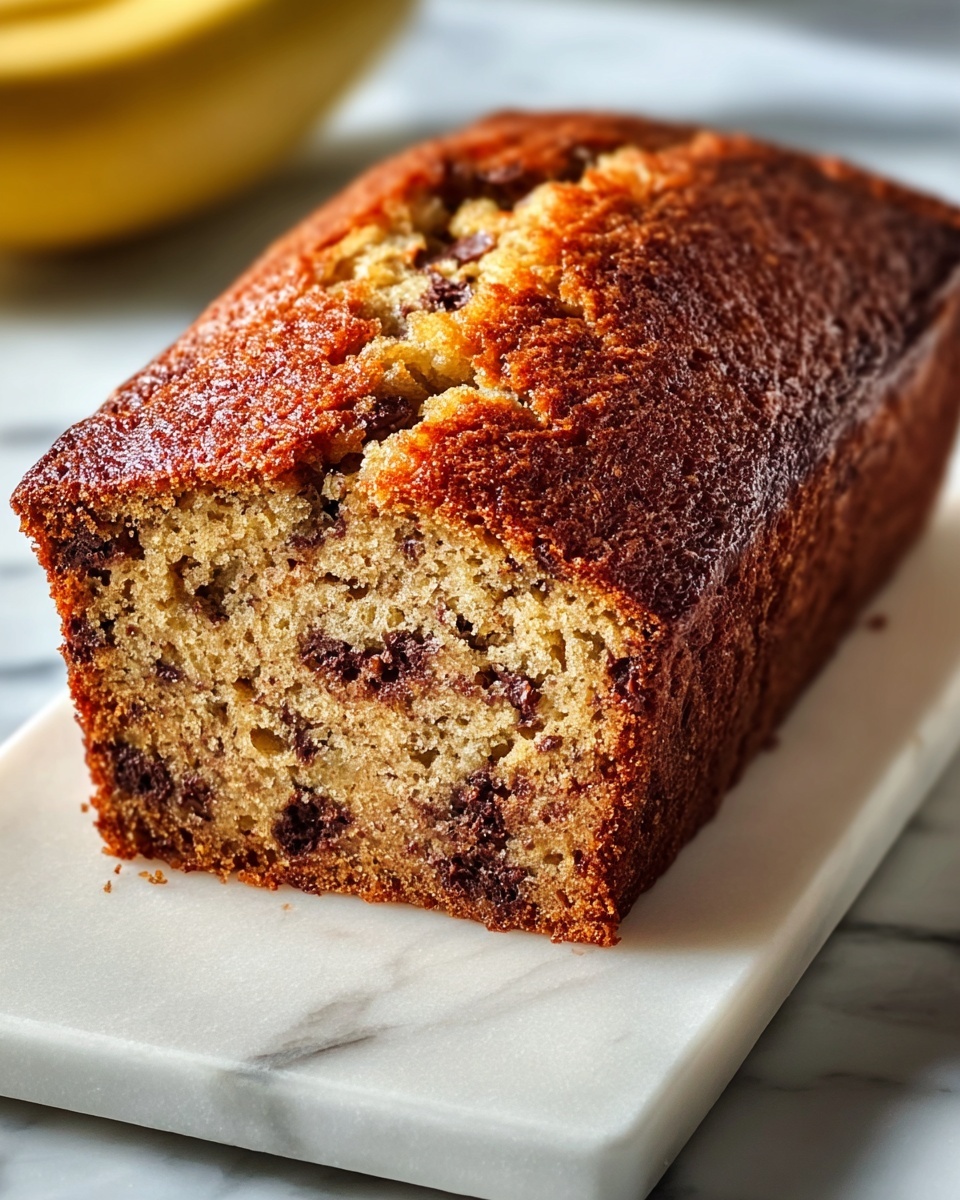
I never thought I’d find a Crusty French Bread Rolls Recipe easier than this one, yet every bite bursts with that irresistible, golden crust and chewy, tender crumb you crave. Picture fresh-baked rolls straight from your oven, their warm aroma swirling through your kitchen, inviting everyone to gather around the table. These rolls are not just bread – they’re a heartwarming experience, perfect for any meal.
Why You’ll Love This Crusty French Bread Rolls Recipe
- Perfect Texture: Achieve a glorious crisp crust combined with a soft, chewy interior that will have you reaching for seconds.
- Simple Ingredients: With just all-purpose flour, salt, sugar, active dry yeast, and warm water, your pantry staples shine in this classic French creation.
- Family-Friendly Baking: This recipe unfolds in stages that invite you to enjoy the process, from easy mixing to watching the dough rise beautifully over time.
- Impressive Presentation: Each roll, carefully scored and baked to a lovely golden brown, looks as wonderful as it tastes, sure to impress guests.
- Customizable: This recipe welcomes your creativity—for example, savor them plain or add herbs or seeds to tailor your rolls without complicating the process.
Why This Crusty French Bread Rolls Recipe Works
The secret behind these crusty French bread rolls lies in a few timeless techniques you’ll master with ease. First, activating the yeast in warm water with sugar breathes life into the dough, creating that perfect rise. Then the kneading stage develops gluten for a smooth, elastic texture that promises chewy, satisfying rolls. Finally, the double rising—one in the bowl and one on the baking sheet—ensures light, airy results, with a high-temperature bake locking in that coveted golden crust. It’s the classic baking method, perfectly executed.
Ingredients You’ll Need
Gather these wholesome essentials that transform simple pantry basics into a bakery-worthy delight you can savor at home.
- 4 cups all-purpose flour: This forms the perfect structure and chewiness for your rolls.
- 2 teaspoons salt: Enhances flavor and strengthens the dough’s structure for a satisfying bite.
- 1 teaspoon sugar: Feeds the yeast to help your rolls rise to fluffy perfection.
- 2 ¼ teaspoons active dry yeast: The powerhouse that makes your rolls light and airy.
- 1 ½ cups warm water: Activates the yeast and ties the dough into a beautiful, workable mass.
Ingredient Substitutions & Tips
- All-purpose flour: You can use bread flour for an even chewier texture or a gluten-free blend designed for baking if needed.
- Sugar: Substitute honey or maple syrup to add a subtle sweetness and different depth of flavor.
- Active dry yeast: Instant yeast works too; just mix it directly with dry ingredients and slightly reduce the water amount.
- Warm water: Ensure it’s just lukewarm to the touch — too hot and it might kill the yeast, too cold and the rise will be slow.
👨🍳 Pro Tips for Perfect Results
- Frothy yeast: Let the yeast-sugar mixture bubble until frothy; this ensures the yeast is alive and ready.
- Knead with purpose: Kneading creates that smooth dough texture — aim for 10 minutes to develop the gluten properly.
- Warm rising spot: A cozy corner or warmed oven helps your dough double in size predictably and beautifully.
- Score your rolls: Slashing the tops before baking lets steam escape and gives your rolls that classic artisanal look.
- Cool before cutting: Allow the rolls to rest after baking so flavors settle and texture firms up just right.
How to Make Crusty French Bread Rolls Recipe
Step 1: Preparation
Start by whisking together the yeast and sugar in warm water. Watch patiently as this mixture starts to froth, bubbling with promise in just 5 to 10 minutes. This magic signals the yeast is activated and ready for action.
💡 Pro Tip: Use water that’s pleasantly warm—comfortably warm to your wrist—to coax the best yeast activity.
Step 2: Mixing
Next, combine the flour and salt in a large bowl. These dry ingredients are your roll’s foundation, so mix them thoroughly to evenly distribute the salt’s flavor boost.
💡 Pro Tip: Sifting flour isn’t mandatory but helps avoid lumps and ensures a uniform dough.
Step 3: Form Dough
Now, pour the frothy yeast mixture into your flour and salt bowl. Stir gently until a rough dough forms—ragged around the edges but full of potential.
💡 Pro Tip: Don’t worry if it looks messy at this point; kneading will bring it all together beautifully.
Step 4: Kneading
Turn your dough out onto a floured surface and knead for about 10 minutes, working until the dough becomes silky smooth and elastic. This step is key to developing the perfect chewy texture inside your rolls.
💡 Pro Tip: If your dough sticks too much, dust a little more flour but avoid adding too much, which can toughen the rolls.
Step 5: Rising
Place your dough ball into a greased bowl, cover it, and tuck it away in a warm, cozy spot for about 1 hour. You’ll know it’s ready when it doubles in size—fluffy and inviting.
💡 Pro Tip: A lightly warmed oven with just the light on can create the perfect rising environment.
Step 6: Shaping
Gently punch down the risen dough to release trapped air, then divide it into equal portions. Shape each portion into a rounded roll, getting creative with their size if you like – uniformity helps baking evenly.
💡 Pro Tip: Ensuring smooth, taut surfaces on your rolls helps achieve a beautiful golden crust.
Step 7: Second Rising
Preheat your oven to 450°F (230°C). Arrange the rolls on a parchment-lined baking sheet and let them rise again for 30 minutes. This final puff readies them for the oven and produces that light-airy crumb.
💡 Pro Tip: Don’t skip this second rise — it’s essential for that soft interior.
Step 8: Scoring
Before baking, make deliberate slashes across the tops of your rolls. This allows steam to escape and the crust to develop a stunning artisanal pattern.
💡 Pro Tip: Use a sharp knife or baker’s lame for neat, clean cuts.
Step 9: Baking
Pop the rolls into your hot oven and bake for about 20 to 25 minutes. You’ll see them puff up and turn a gorgeous golden brown that promises crispness with every bite.
💡 Pro Tip: Baking at a high temperature locks in moisture while crisping the crust to perfection.
Step 10: Cooling
Once out of the oven, let your rolls cool slightly before serving. This short wait lets the flavors settle and the structure finish forming, ensuring every bite is heavenly.
💡 Pro Tip: Avoid cutting into hot bread — it can turn gummy inside.
Common Mistakes to Avoid
Learn from these common pitfalls:
- Using water that’s too hot: You risk killing the yeast, resulting in no rise.
- Skipping kneading: Poor gluten development leads to dense, crumbly rolls.
- Not allowing dough to rise fully: Underproofed dough produces tough, heavy rolls.
- Over-flouring during kneading: Can make dough dry and hard, sacrificing tenderness.
- Ignoring the second rise: This step is key for that light texture inside and crust outside.
- Cutting warm rolls: Leads to gummy interiors because the steam hasn’t settled.
Delicious Variations to Try
Once you’ve mastered the classic Crusty French Bread Rolls Recipe, the possibilities are endless. Feel free to customize and impress your family and friends with these gentle twists.
Herbed Rolls
Incorporate fresh herbs like rosemary or thyme into the dough for a fragrant lift that pairs beautifully with soups and salads.
Garlic Butter Rolls
Brush warm rolls with melted garlic butter immediately after baking to infuse a rich, savory aroma that’s utterly addictive.
Seeded Rolls
Add a sprinkling of sesame, poppy, or sunflower seeds on top before baking for extra crunch and a nutty flavor boost.
Whole Wheat French Rolls
Swap half the all-purpose flour with whole wheat for a heartier roll packed with nutrients and a deeper taste.
Cheesy Rolls
Tuck in shredded vegetarian-friendly cheese into each roll before the second rise for a melty surprise in every bite.
How to Serve Crusty French Bread Rolls Recipe
Garnishes
Enhance your French bread rolls with a touch of flaky sea salt or a sprinkle of herbs like parsley or chives right before serving for visual appeal and an extra flavor kick.
Side Dishes
These rolls shine alongside classic French onion soup, fresh garden salads, or creamy ratatouille. For a simple meal, pair them with olive oil and balsamic vinegar for dipping.
Creative Ways to Present
Arrange rolls in a rustic basket lined with a linen napkin for a cozy, inviting look. For gatherings, serve them sliced horizontally as mini sandwich buns filled with roasted vegetables or soft cheeses.
Make Ahead and Storage
Make-Ahead Instructions
You can prepare the dough the day before and refrigerate it after the first rise. Shape and let the rolls have their second rise just before baking for fresh results with less day-of effort.
Storage
Store cooled rolls in an airtight container or loosely wrapped in foil at room temperature for up to 2 days to keep them tender.
Freezing
Freeze baked rolls in a sealed freezer bag for up to 3 months. Thaw at room temperature or warm gently in the oven for that fresh-baked taste anytime.
Reheating
Reheat rolls wrapped in foil in a 350°F oven for 10 minutes to refresh the crust and warm the crumb like they’ve just come from the oven.
Expert Tips for Success
- Use high-quality yeast: Fresh yeast ensures the best rise and flavor.
- Measure ingredients precisely: Baking is chemistry—accuracy matters for perfect texture.
- Allow full rising times: Patience rewards you with lighter, more flavorful bread.
- Score your rolls shallowly: Too deep and the dough can deflate; shallow cuts control expansion.
- Maintain oven temperature: Preheat thoroughly for consistent baking results.
- Experiment with hydration: Slightly wetter doughs can yield even softer interiors if you’re feeling adventurous.
- Practice makes perfect: Each batch teaches you more about dough feel and timing.
Frequently Asked Questions
Can I use instant yeast instead of active dry yeast?
Yes! Instant yeast can be mixed directly with dry ingredients. Reduce the water slightly and skip the yeast activation step.
Why didn’t my dough rise properly?
Common causes include using water that’s too hot or cold, old yeast, or insufficient rising time. Always ensure your yeast is fresh and activated in warm water with sugar.
How do I get a crispy crust?
Baking at a high temperature like 450°F and scoring the rolls to let steam escape produces a beautifully crusty exterior.
Can I add herbs or cheese to this recipe?
Absolutely! Fresh herbs and vegetarian-friendly cheese work wonderfully and can be added during mixing or shaped inside the rolls.
How do I store leftover rolls?
Store at room temperature in an airtight container for up to two days or freeze for longer storage.
What’s the best way to reheat frozen rolls?
Wrap them in foil and warm in a 350°F oven for about 10 minutes to restore freshness.
Are these rolls suitable for vegetarians?
Yes, this recipe is 100% vegetarian-friendly, made with simple plant-based ingredients.
Final Thoughts
Baking your own crusty French bread rolls is not just about the bread—it’s about creating warmth and comfort, filling your home with aromatic joy. This recipe invites you to slow down and savor the process, from frothy yeast beginnings to golden, crackling crusts. Whether sharing them with loved ones or enjoying a quiet moment with butter melting on warm bread, these rolls bring a slice of magical tradition right to your table. I can’t wait for you to make them your own and experience that simple bliss!
PrintCrusty French Bread Rolls Recipe
These crusty French bread rolls are light, airy, and perfect for any meal, featuring a chewy texture and a golden brown crust achieved through a simple yeast dough and careful rising.
- Prep Time: 25 minutes
- Cook Time: 25 minutes
- Total Time: 2 hours 20 minutes
- Yield: 12 servings 1x
- Category: Bread
- Method: Baking
- Cuisine: French
- Diet: Vegetarian
Ingredients
Ingredients
- 4 cups all-purpose flour (Creates the perfect structure and chewiness.)
- 2 teaspoons salt (Enhances flavor and strengthens dough structure.)
- 1 teaspoon sugar (Nourishes the yeast for a good rise.)
- 2 1/4 teaspoons active dry yeast (Makes the rolls light and airy.)
- 1 1/2 cups warm water (Activates the yeast for the perfect rise.)
Instructions
- Preparation: In a small bowl, dissolve the yeast and sugar in warm water. Let it sit until frothy, about 5-10 minutes.
- Mixing the Dough: Combine the flour and salt in a mixing bowl.
- Combining Ingredients: Once the yeast mixture is frothy, add it to the flour and salt mixture. Stir until a rough dough forms.
- Kneading: Knead the dough on a floured surface for about 10 minutes until it is smooth and elastic.
- Rising: Place the dough into a greased bowl, cover it, and let it rise in a warm spot for about 1 hour or until it has doubled in size.
- Shaping: Punch down the dough gently to release some air. Divide it into equal portions and shape them into rolls.
- Second Rising: Arrange the rolls on a baking sheet lined with parchment paper and let them rise for another 30 minutes.
- Preparing for Baking: Make slashes on the top of each roll to allow steam to escape.
- Baking: Preheat your oven to 450°F (230°C). Bake for about 20-25 minutes until golden brown.
- Cooling: Let them cool slightly before serving.
Notes
- Letting the yeast mixture sit until frothy is essential to ensure the yeast is active.
- Kneading for about 10 minutes develops gluten for the perfect texture.
- Two rising periods help produce light and airy rolls with a crusty exterior.
- Making slashes on the rolls allows steam to escape and prevents cracking.
- Cool the rolls slightly before serving to enhance flavor and texture.