

The aroma of freshly baked scones filling your kitchen is one of life’s simple pleasures—warm, buttery, and inviting, enticing everyone nearby to gather around. Imagine biting into a scone that’s perfectly tender and fluffy with a golden crust, accompanied by a luscious smear of sweet whipped butter and your favorite jam. This Classic English Scones Recipe Easy and Fluffy transforms teatime into a delightful moment worth savoring.
Why You’ll Love This Classic English Scones Recipe Easy and Fluffy
- Delightful Flavor and Texture: Every bite offers a soft crumb with a slightly crisp golden crust that melts in your mouth.
- Simple Ingredients: Uses pantry staples like all-purpose flour, butter, and buttermilk, amped up with a touch of baking powder for lightness.
- Quick and Efficient: From mixing to baking, you’ll have fresh scones ready in just 30 minutes, perfect for impromptu gatherings.
- Inviting Presentation: These scones bake into perfectly round golden treats that look as wonderful as they taste.
- Customizable with Sweet Whipped Butter: The heavenly honey-kissed whipped butter is a special touch that makes serving these scones utterly irresistible.
Why This Classic English Scones Recipe Easy and Fluffy Works
This recipe nails the classic scone texture thanks to a few key techniques and ingredients. The method uses a paddle attachment to mix flour, sugar, baking powder, and salt, combining the softened butter until the mixture looks like wet sand—this crucial step coats the flour to keep the scones light and tender by limiting gluten formation. Incorporating a chilled blend of eggs, buttermilk, and milk creates a rich, slightly tangy dough. Baking at a high temperature ensures a golden crust while keeping the interior soft. Following this baking method results in those iconic fluffy scones that are simply irresistible.
Ingredients You’ll Need
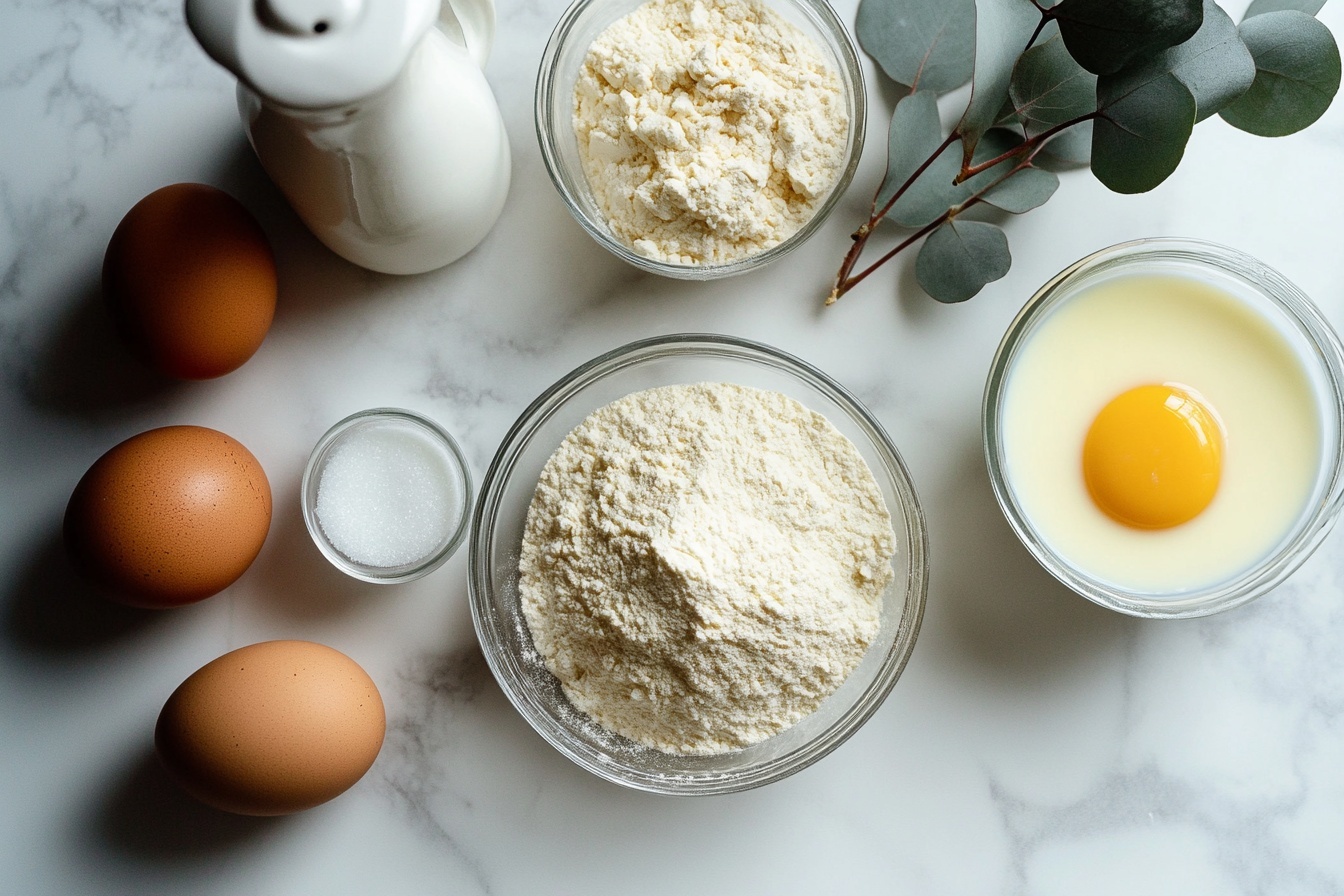
Get ready to work with classic baking essentials that come together to create those light and tender scones you love. From fresh eggs at room temperature to the creamy richness of buttermilk and whole milk, every ingredient has its delicious role.
- 2 large eggs (at room temperature): Provide structure and richness to the dough.
- ½ cup buttermilk (at room temperature Note 1): Adds a delicate tang and helps with leavening.
- ½ cup whole milk (at room temperature Note 2): Keeps the dough moist and tender.
- 3 ½ cups all-purpose flour (Note 3): The foundation of the scones, providing structure.
- 1/3 cup granulated sugar: Balances flavors with gentle sweetness.
- 2 tablespoons baking powder: The key to those beautifully risen, fluffy scones.
- ½ teaspoon salt: Enhances the flavors throughout.
- 1/3 cup unsalted butter (softened): Adds richness and tenderness.
Ingredient Substitutions & Tips
- Buttermilk: Swap with ½ cup milk plus 1 teaspoon lemon juice or vinegar, let sit for 5 minutes.
- Unsalted Butter: You can use salted butter but reduce added salt slightly to keep balance.
- All-purpose Flour: For a lighter texture, try a blend half all-purpose and half pastry flour.
- Granulated Sugar: Substitute with fine sugar or coconut sugar for a subtle flavor twist.
👨🍳 Pro Tips for Perfect Results
- Keep Butter Soft but Chilled: Softened butter ensures it coats the flour properly without melting too soon.
- Use Room Temperature Eggs and Milk: This prevents the dough from tightening and promotes even mixing.
- Don’t Overmix: Stir just until combined to avoid tough scones.
- Flour the Surface Well: It keeps sticky dough manageable for cutting and shaping.
- Brush With Reserved Egg Mixture: This gives a shiny, golden finish after baking that’s picture-perfect.
How to Make Classic English Scones Recipe Easy and Fluffy
Step 1: Preparing the Oven and Baking Sheet
Start by heating your oven to a toasty 425°F (220°C). Line a baking sheet with parchment paper or a silicone mat to keep your scones from sticking as they bake up beautifully.
💡 Pro Tip: Preheating ensures your scones get that instant oven spring for the perfect rise.
Step 2: Mixing Wet Ingredients
In a medium cup, beat together eggs, buttermilk, and whole milk. Hold back about 2 tablespoons of this luscious mixture to brush on the scones later, which creates a glossy crust.
💡 Pro Tip: This liquid blend adds moisture and richness, essential for tender crumb.
Step 3: Combining Dry Ingredients
Whisk together flour, sugar, baking powder, and salt right in your mixing bowl fitted with the paddle attachment—this makes sure everything is evenly distributed from the start.
💡 Pro Tip: Sifting these together helps the baking powder work more effectively.
Step 4: Incorporating Butter
Add softened butter and mix until the mixture resembles wet sand; this texture is key because it indicates the right amount of coating is happening to keep scones fluffy and tender.
💡 Pro Tip: The “wet sand” stage is a secret to preventing tough, chewy scones.
Step 5: Adding the Wet Ingredients
Pour the egg and milk mixture into the dry ingredients and mix gently until just combined. The dough will be sticky, and that’s perfectly normal—resist the urge to add more flour!
💡 Pro Tip: Sticky dough means the scones will bake up moist and tender inside.
Step 6: Kneading and Rolling Dough
Generously flour your work surface, then turn the dough out using a silicone spatula. With floured hands, gently knead just enough to smooth the surface, then pat or roll it into a 1-inch thick disk.
💡 Pro Tip: Keep kneading minimal to avoid gluten development, which would toughen the scones.
Step 7: Cutting Out Scones
Use a 2-inch round cookie cutter to stamp out scones. Gather remaining dough scraps, gently re-roll, and repeat until all dough is used.
💡 Pro Tip: Press straight down with the cutter rather than twisting to maintain the scone’s rise.
Step 8: Baking to Perfection
Arrange your scones on the lined baking sheet, brush each with the reserved egg mixture for that irresistible shine, and bake for 13-15 minutes until they turn golden brown.
💡 Pro Tip: Keep an eye on their color to avoid overbaking; golden is perfect!
Step 9: Cooling and Serving
Once out of the oven, place the scones on a wire rack to cool slightly. Serve warm or at room temperature alongside the sweet whipped butter and jam for that teatime magic.
💡 Pro Tip: Warm scones absorb butter and jam so much better—don’t rush this part!
Step 10: Making Sweet Whipped Butter
In a mixer, whip softened butter with heavy cream and 1-2 tablespoons of raw honey until delightfully fluffy and light—a perfect sweet companion to your scones.
💡 Pro Tip: Whip until peaks form for a cloud-like texture that spreads beautifully.
Common Mistakes to Avoid
Learn from these common pitfalls:
- Overworking the Dough: Too much kneading leads to tough, dense scones rather than tender ones.
- Skipping the Egg Wash: Forgetting the reserved mixture can cause dull, pale scones lacking that golden finish.
- Not Preheating the Oven Fully: This can make scones rise unevenly or become dense.
- Using Cold Eggs or Milk: Cold ingredients might cause uneven mixing and affect texture.
- Twisting the Cutter: Twisting when cutting the dough seals edges and prevents full rise.
- Adding Too Much Flour: Extra flour from sticky dough mishandling creates dry scones.
Delicious Variations to Try
Once you’ve mastered this Classic English Scones Recipe Easy and Fluffy, feel free to explore some tasty twists to delight your palate:
Classic Fruit Scones
Add a handful of dried currants or raisins to the dough for a sweet, traditional touch that complements the buttery crumb.
Cheddar and Chive Scones
Fold sharp cheddar cheese and fresh chives into the dough for a savory variation that’s perfect alongside soups or salads.
Orange Zest and Cranberry
Brighten scones with freshly grated orange zest and tart dried cranberries for a refreshing burst of flavor.
Herbed Garlic Scones
Incorporate finely chopped rosemary, thyme, and a hint of garlic powder for an aromatic savory snack.
Honey Almond Scones
Drizzle honey and sprinkle slivered almonds on top before baking to add a toasty crunch and subtle sweetness.
How to Serve Classic English Scones Recipe Easy and Fluffy

Garnishes
A dollop of homemade sweet whipped butter, lashings of your favorite fruit jam or marmalade, and a dusting of powdered sugar elevate these scones to teatime perfection.
Side Dishes
Pair your scones with a pot of English breakfast tea or freshly brewed coffee. Serve alongside light cucumber sandwiches or a delicate fruit salad for a classic afternoon spread.
Creative Ways to Present
Arrange scones in a beautiful tiered cake stand, offering a mix of plain and flavored varieties. For a charming touch, serve with individual ramekins of clotted cream and assorted preserves to let guests customize their bites.
Make Ahead and Storage
Make-Ahead Instructions
Prepare the scone dough in advance, shape, and cut the scones. Place them on a baking sheet, cover tightly, and refrigerate for up to 24 hours before baking to maintain freshness.
Storage
Store cooled scones in an airtight container at room temperature for up to 2 days. Avoid refrigeration, which can dry them out.
Freezing
Freeze unbaked scones by arranging them on a baking sheet, freezing until firm, then transferring to a freezer bag. They can be kept frozen for up to 1 month.
Reheating
Warm scones gently in a 300°F (150°C) oven for 5-7 minutes to restore their fresh-baked texture and warmth before serving.
Expert Tips for Success
- Always use room temperature dairy and eggs for smoother dough incorporation.
- Handle dough gently to keep scones light and airy.
- Chill your baking sheet before placing dough to encourage proper rise and shape.
- Brush the scones with the reserved egg wash for that irresistible shine.
- Experiment with add-ins like fruit or herbs once you’re comfortable with the base recipe.
- Invest in a good quality 2-inch round cutter to ensure uniform scone size and even baking.
- Cool on wire racks to prevent sogginess from steam trapped underneath.
Frequently Asked Questions
Can I make this Classic English Scones Recipe Easy and Fluffy dairy-free?
Yes! Substitute buttermilk and milk with your favorite plant-based milk and replace butter with a dairy-free alternative. The texture may vary slightly but will still be delicious.
Why are my scones tough instead of fluffy?
This usually happens when the dough is overworked, developing too much gluten. Handle the dough gently and mix just until combined for tender results.
Can I use baking soda instead of baking powder?
This recipe relies on baking powder for the right rise. Unless you add an acidic ingredient to activate baking soda, it’s best to stick with baking powder.
How do I store leftover scones?
Keep them in an airtight container at room temperature for up to 2 days. For longer storage, freeze as unbaked dough or already baked scones.
Can I add fruit or flavorings to the dough?
Absolutely! Fold in dried fruits, herbs, or zest gently before shaping to add your personal twist to this classic scones recipe.
What’s the best way to reheat scones?
Reheat gently in a low oven (around 300°F/150°C) for a few minutes to bring back warmth and softness without drying out.
Why is it important to use softened butter?
Softened butter mixes evenly with flour, creating that essential crumbly texture while keeping scones tender. Cold butter won’t incorporate as well, and melted butter can make dough greasy.
Final Thoughts
This Classic English Scones Recipe Easy and Fluffy is more than just a teatime treat—it’s a chance to create warm moments filled with delicious aromas and comforting bites. Baking these tender, golden scones from scratch brings joy and satisfaction that store-bought just can’t match. Whether you serve them plain or dress them up with luscious whipped butter and jam, you’re sure to create smiles around the table. Give this recipe a try and let it become your new go-to for sharing simple, elegant goodness with the people you love.
PrintClassic English Scones Recipe Easy and Fluffy

These classic English scones are tender, buttery, and lightly sweetened, perfect for enjoying warm with sweet whipped butter and jam.
- Prep Time: 15 minutes
- Cook Time: 15 minutes
- Total Time: 30 minutes
- Yield: 16 servings 1x
- Category: Baking
- Method: Baking
- Cuisine: English
- Diet: Vegetarian
Ingredients
Scones
- 2 large eggs (at room temperature)
- 1/2 cup buttermilk (at room temperature Note 1)
- 1/2 cup whole milk (at room temperature Note 2)
- 3 1/2 cups all-purpose flour (Note 3)
- 1/3 cup granulated sugar
- 2 tablespoons baking powder
- 1/2 teaspoon salt
- 1/3 cup unsalted butter (softened)
- 1/2 cup unsalted butter (softened)
Sweet Whipped Butter
- 1/4 cup heavy whipping cream
- 1–2 tablespoons raw honey
Instructions
- To make the scones Preheat the oven to 425°F (220°C). Line a baking sheet with parchment paper, or silicone mat.
- Mix wet ingredients In a medium cup, beat the eggs, buttermilk and milk. Reserve about 2 tablespoons of mixture in a separate bowl.
- Mix dry ingredients In a mixing bowl with paddle attachment, mix together flour, sugar, baking powder and salt.
- Add butter Then add butter and mix until nice and smooth. The mixture should resemble wet-sand texture. (TIP: Thoroughly coating the flour with butter minimizes the formation of gluten, creating tender and light scones.)
- Add wet mixture Add egg mixture and mix until just combined. The dough will be quite sticky, but its totally normal. Transfer the dough onto well-floured surface.
- Prepare dough Generously dust the work surface with flour and transfer the dough on the floured surface, using a silicone spatula.
- Knead and shape With floured hands, knead the dough to smooth out the surface and roll it into 1-inch thick disk. Using 2-inch round cookie cutter, cut out as many scones as you can.
- Reuse dough scraps Then gather the dough scraps and repeat the step #5, until all the dough is used.
- Arrange and bake Arrange the scones on the prepared baking sheet, brush on the reserved egg mixture on each scone and bake for 13-15 minutes, or until golden brown.
- Cool and serve Cool the scones on wire rack. Serve warm or at room temperature with sweet whipped butter and jam.
- To make sweet whipped butter Whip the butter, heavy cream and honey with mixer until nice and fluffy.
Notes
- TIP: Thoroughly coating the flour with butter minimizes the formation of gluten, creating tender and light scones.